
Vandaag of morgen in huis

Kwaliteit gegarandeerd

Welkomstaanbiedingen ontgrendelen: GRATIS bezorging | Tot 80% korting | Gratis 30 dagen JoyPlus-proefperiode
Download de app
Switching from a manual to an electric toothbrush feels like a logical step towards better oral hygiene. However, the market is flooded with models promising whiter teeth and healthier gums. But many of these promises come with a catch. As a Product Recommendation Officer at Joybuy, I see every day what consumers needlessly spend their money on. Let's cut through the marketing jargon and see what you really need to look for.
Before you pull out your wallet, be aware of these common pitfalls:
To avoid buyer's remorse, it's better to focus on a few concrete, objective specifications. These features make a real difference in your daily brushing routine.
The two dominant technologies on the market are sonic and rotating-oscillating.
There is no definitive "better" option. The choice is personal and depends on your comfort preference and whether you have sensitive gums.
Don't be tempted by a long list of brushing modes. Two features are truly essential for good oral care:
A long battery life is practical, especially if you travel a lot. Pay attention not only to the advertised number of days but also to the charging method. A model with a standard USB-C port is far more versatile than one with a bulky, proprietary charging station. An included toothbrush with a travel case is a handy extra that keeps your brush hygienic and safe on the go.
Based on these practical criteria, we have selected a number of models that suit different needs and budgets.
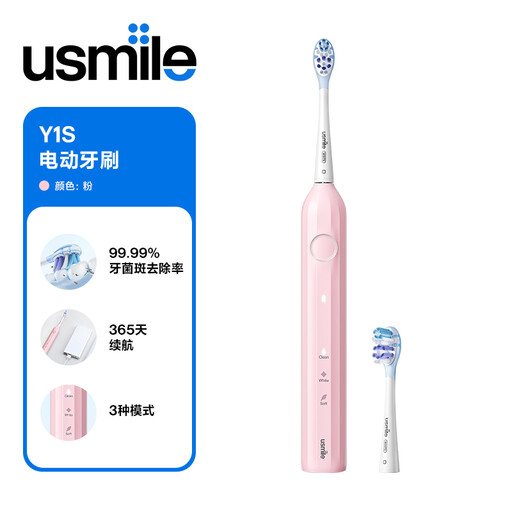
Why This Fits Their Persona: Ideal for those switching from manual brushing who want a no-nonsense device. This toothbrush focuses on the essentials: a great clean and ease of use, without the high price of superfluous features.
This model bypasses the "smart app" trap by concentrating on core functions. The 6-month battery life (according to the manufacturer) is exceptional and it charges via a universal USB-C port, eliminating dependency on a specific charging station.
Extremely long battery life: Up to 180 days of use on a single charge. Practical: Built-in 2-minute timer, 3 brushing modes (Clean, White, Soft), and an included travel case.
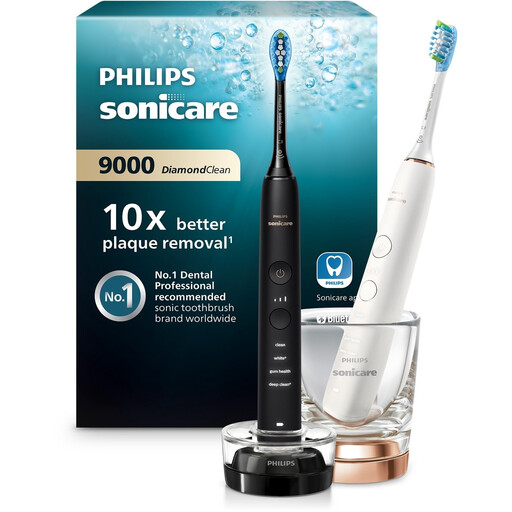
Why This Fits Their Persona: For those willing to invest in an advanced model from an established brand. This duo pack offers a complete set for a couple or family, with features that genuinely contribute to better brushing technique.
Although this model has an app, it's functional and provides personalised feedback that helps improve your brushing habits. The availability of brush heads is guaranteed, which avoids the pitfall of hard-to-find replacement parts.
Built-in pressure sensor: Protects your gums by warning you when you brush too hard. Multiple modes and intensities: 4 brushing modes (including for whiter teeth and gum care) and 3 intensity levels for a personalised clean.
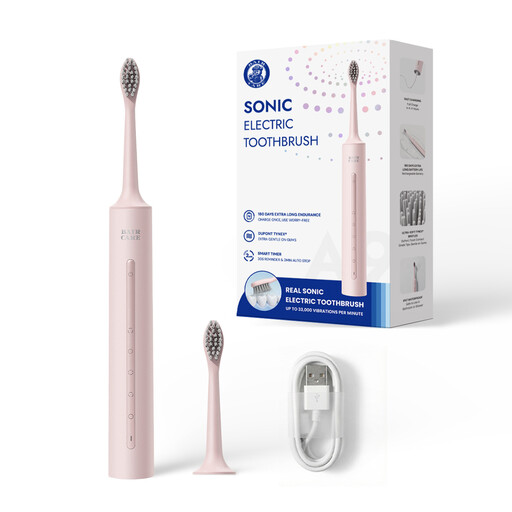
Why This Fits Their Persona: Perfect for those who are always on the go and don't want to constantly carry a charger. The focus here is on maximum mobility and reliability, without compromising on cleaning power.
This model directly tackles the pitfall of unrealistic battery claims. The manufacturer's claimed 180-day battery life is a direct answer to the frustration of weekly charging, making it an extremely reliable travel partner.
Exceptional battery life: The main selling point is the long battery life of 180 days. Versatile: Offers 5 brushing modes and 3 intensity levels, plus a smart timer and IPX7 water resistance.
We have compiled a complete, up-to-date list of products that fully meet these strict selection criteria and Dutch safety regulations.
The general guideline from dentists and manufacturers is to replace the brush head every three months. Worn bristles clean less effectively and can harbour more bacteria. Many modern toothbrushes, like those from Philips Sonicare with BrushSync technology, will even notify you when it's time for a new brush head.
Neither technology is objectively "better"; it's a matter of personal preference. A sonic toothbrush is often perceived as gentler and is ideal for people with sensitive gums. A rotary brush from a brand like Oral-B provides a feeling of a powerful, tooth-by-tooth polish. If you have the chance, try both types to see which feels most comfortable for you.
Absolutely. In fact, an electric toothbrush can be very suitable. In that case, choose a model with a toothbrush with a pressure sensor. This feature is crucial because it warns you immediately if you're brushing too hard, which is the main cause of irritation. Additionally, most models have a special 'Sensitive' or 'Gum Care' mode with a lower intensity.
