
Vandaag of morgen in huis

Kwaliteit gegarandeerd

Welkomstaanbiedingen ontgrendelen: GRATIS bezorging | Tot 80% korting | Gratis 30 dagen JoyPlus-proefperiode
Download de app
An electric toothbrush is a smart investment for anyone who takes their oral hygiene seriously. Making the switch from a manual toothbrush can make a world of difference. But the market is flooded with models, from simple rechargeable toothbrushes to devices with AI coaching. How do you choose a model that's worth the money, without falling for marketing hype?
As a Product Recommendation Officer at Joybuy, I see the challenges consumers face every day. Before you make a decision, it's wise to be aware of the most common pitfalls.
To avoid buyer's remorse, it's better to focus on a few core specifications that actually contribute to a better clean.
The two dominant technologies on the market are sonic and rotating. Neither is inherently better; the choice depends on your personal preference and your dental needs.
Instead of focusing on app connectivity, there are two features that directly contribute to better oral health:
A good rechargeable toothbrush should last at least two weeks on a full charge with twice-daily use. Models with a battery life of 30 days or more offer added convenience, especially for frequent travellers. Also, pay attention to the charging method. A USB charger is handy for on the go, as you won't need to carry a separate adapter.
Based on these practical criteria, we have selected a number of models that suit different user profiles.
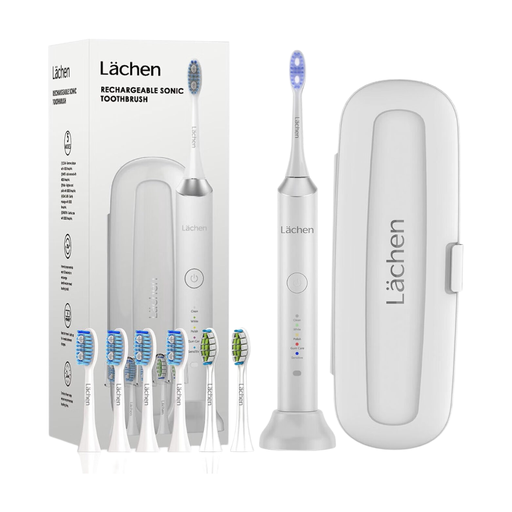
Why This Fits Their Persona: This model offers a complete starter kit with all the essential features, like five brushing modes and a timer, without the high price tag. Ideal for those making the switch and wanting a comprehensive package right away.
It directly tackles the pitfall of hidden costs by including 6 replacement heads. This will last you a year and a half without needing additional purchases.
Exceptional battery life of up to 60 days and a complete set including a toothbrush with a travel case.
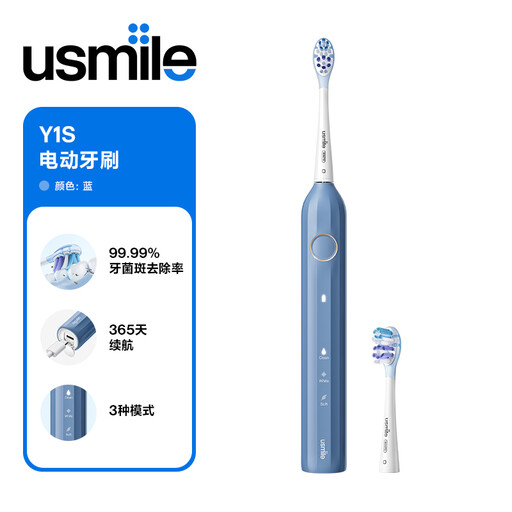
Why This Fits Their Persona: For those who are often on the go, a long battery life and a compact travel case are essential. This model is specifically designed with the traveller in mind, without compromising on cleaning power.
Completely solves the pitfall of impractical battery life. According to the manufacturer, the battery lasts up to 6 months on a single charge, allowing you to leave the charger at home.
Extremely long battery life, charging via a modern USB-C port, and an included, sturdy toothbrush with a travel case.
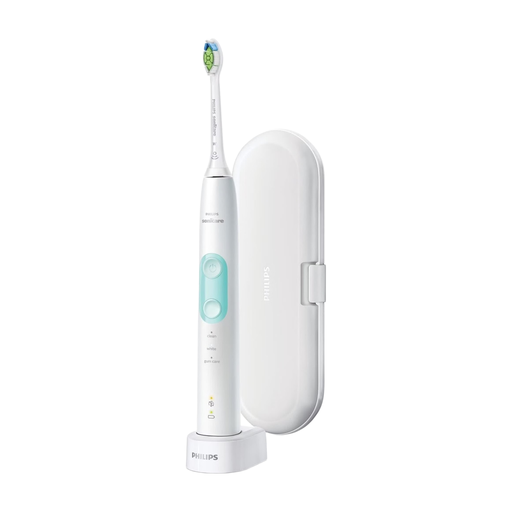
Why This Fits Their Persona: For those who prefer the proven technology of an established brand, this Philips Sonicare model is a reliable choice. It offers the key features for healthier teeth and gums.
This model avoids the trap of unnecessary extras and focuses on features that truly matter: a pressure sensor, a timer, and a special mode for gum care.
Built-in pressure sensor to protect gums and a special 'Gum Care' mode for sensitive gums.
We have compiled a complete, up-to-date list of products that meet these selection criteria. Many models come with a convenient travel case.
The general recommendation from dentists and manufacturers is to replace the brush head every three months. Do this sooner if the bristles are visibly frayed or bent, as this reduces the effectiveness of your brushing.
Not necessarily better, but different. The choice is personal. A sonic toothbrush is often perceived as gentler and is effective at cleaning between teeth. A rotating brush is powerful at removing plaque from the tooth surface. If you have sensitive gums, a sonic model can be a great place to start.
Absolutely. In fact, an electric toothbrush can help improve the health of your gums. Choose a model with a toothbrush with a pressure sensor to prevent you from brushing too hard. Many toothbrushes also have a special 'Sensitive' or 'Gum Care' mode with a lower intensity.
