
Vandaag of morgen in huis

Kwaliteit gegarandeerd

Welkomstaanbiedingen ontgrendelen: GRATIS bezorging | Tot 80% korting | Gratis 30 dagen JoyPlus-proefperiode
Download de app
Making the switch from a manual to an electric toothbrush, or upgrading an older model, can be a daunting task. The market is saturated with models featuring a wide range of technologies and functions. How do you know which electric toothbrush is right for your teeth and your needs?
This article serves as a practical guide. We'll cut through the marketing jargon and focus on the specifications that truly matter, helping you make an informed decision for better oral hygiene.
Before we dive into specific models, here are a few key factors to help you filter through the options.
The two dominant technologies are sonic and rotating. Neither is inherently better; the choice is a matter of personal preference.
Two features are virtually indispensable for a proper brushing routine:
Are you often on the go? Then an electric toothbrush with a travel case is a practical addition. It protects your toothbrush and keeps it hygienic. Also, pay attention to the battery life and charging method. Some models offer a convenient USB charger, which is ideal for travel.
Based on functionality and user-friendliness, we've highlighted a few models that cater to different needs.
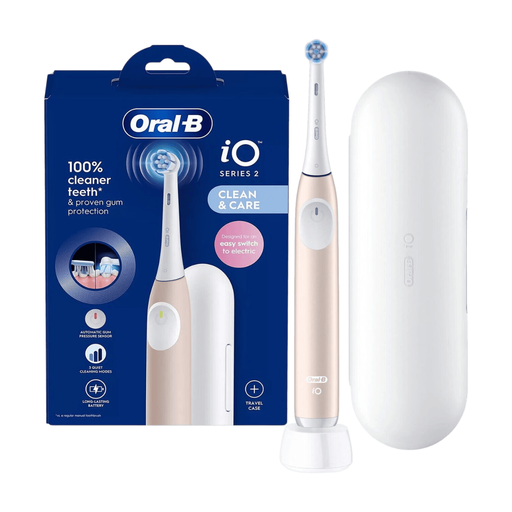
Why this model stands out The Oral-B iO Series 2 brings the brand's proprietary magnetic iO technology to a more accessible price point. This technology creates micro-vibrations that, combined with the round brush head, provide an effective clean that many users find to be gentle.
Pros
Who is this for? This model is an excellent choice for those who want to experience the benefits of iO technology without an overload of features. It is particularly well-suited for beginners to electric brushing and individuals with sensitive gums.
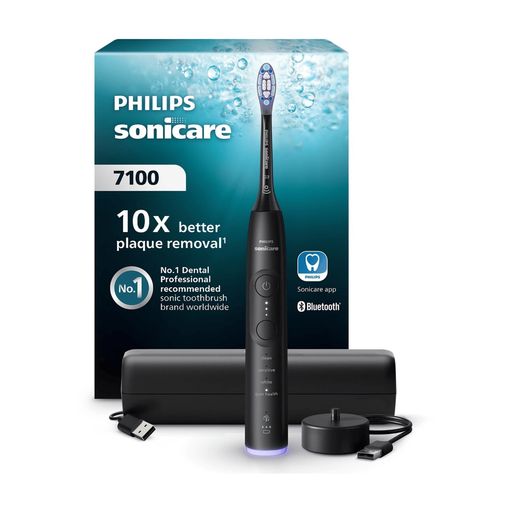
Why this model stands out The Philips Sonicare 7100 Series focuses on a personalised brushing experience. With four brushing modes and three intensity levels, you can tailor the cleaning to your exact preference. According to Philips, the 62,000 brush movements per minute drive fluid deep between teeth for a superior clean feeling.
Pros
Who is this for? For users seeking more control and guidance. The various modes and app functionality make this an attractive model for those looking to optimise their brushing routine, with a special focus on gum care.
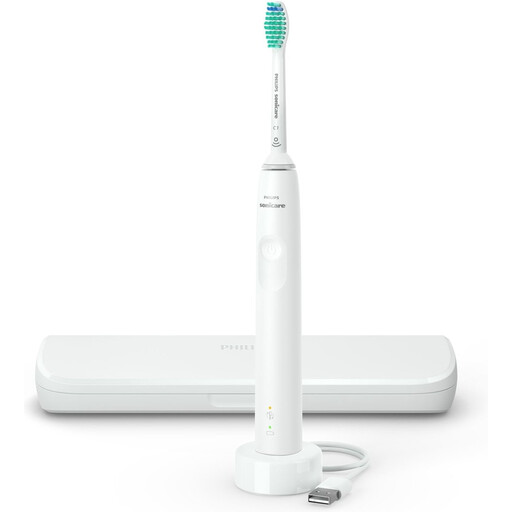
Why this model stands out The Sonicare 3100 is an excellent entry-level sonic toothbrush that focuses on core functions. It offers the effectiveness of sonic brushing without complex extras. According to Philips, this model removes up to 3 times more plaque than a manual toothbrush.
Pros
Who is this for? Ideal for first-time electric toothbrush users or anyone seeking a reliable, well-priced model. It provides all the essential features for an effective daily clean.
The world of oral care is vast. If you're looking for a complete on-the-go set, with space for toothpaste and floss, you can browse our range of dental travel oral care kits for more choices.
1. What is the difference between a sonic and a rotating electric toothbrush? A sonic toothbrush (like Philips Sonicare) has a vibrating, elongated brush head that makes rapid side-to-side movements. A rotating toothbrush (like Oral-B) has a small, round head that rotates and pulsates. The choice depends on personal preference; some people find the sonic motion gentler, while others prefer the tooth-by-tooth clean of a rotating head.
2. How often should I replace the brush head on my electric toothbrush? The general recommendation, from dentists and manufacturers alike, is to replace the brush head every three months. Worn bristles clean less effectively and can harbor more bacteria. Some toothbrushes, like the Philips Sonicare models with BrushSync, will notify you when it's time for a new brush head.
3. Is an electric toothbrush suitable for sensitive gums? Yes, an electric toothbrush can be highly suitable. Many models feature a dedicated mode for sensitive gums and a pressure sensor. This sensor prevents you from brushing too hard, which is a leading cause of gum irritation. Starting on a gentle setting can help your gums get used to it. If you have persistent issues, always consult your dentist.
