
Vandaag of morgen in huis

Kwaliteit gegarandeerd

Welkomstaanbiedingen ontgrendelen: GRATIS bezorging | Tot 80% korting | Gratis 30 dagen JoyPlus-proefperiode
Download de app
Switching from a manual to an electric toothbrush is a natural progression for anyone serious about their oral hygiene. But the market is saturated with options: sonic, rotating, with an app, without an app. It can be overwhelming to determine which model is the right fit for you.
This article is designed to be a practical guide. We'll highlight the most important features and present several popular choices to help you make an informed decision that aligns with your personal needs and budget.
Before we dive into specific models, here are a few key factors to consider during your selection process.
The two most common technologies are sonic and rotating-oscillating.
There is no definitive "better" option; the choice is highly personal and depends on what you find most comfortable.
A good rechargeable toothbrush now comes standard with a few smart features that truly make a difference.
The importance of battery life depends on your lifestyle. If you travel frequently, a model that lasts for weeks or even months on a single charge is ideal. If you primarily brush at home, a shorter battery life is less of an issue. Also, pay attention to the charging method: more and more models are adopting a universal USB-C connection, while others use a proprietary charging stand.
Below is a selection of models that stand out for their specific features and functionalities.
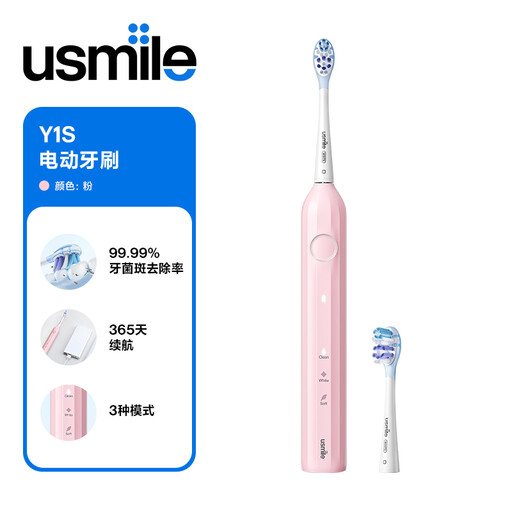
Why it stands out: The battery life is the usmile Y1S's main selling point. According to the manufacturer, the battery lasts up to 180 days on a single full charge. This makes it an exceptionally practical choice for frequent travellers or anyone who simply dislikes the hassle of constant charging.
Pros:
Who is it for? Ideal for the frequent traveller, the minimalist who doesn't want a charger cluttering their bathroom, or anyone looking for a reliable sonic toothbrush with a no-fuss approach.

Why it stands out: The Oral-B iO9N is aimed at the user who loves technology and detailed feedback. The toothbrush combines a rotating brush head with micro-vibrations and uses AI to track your brushing habits via an app.
Pros:
Who is it for? For the tech enthusiast who wants to optimise their brushing routine with data and direct feedback. If you're interested in tracking your progress and perfecting your technique, this is a highly advanced option.

Why it stands out: This model offers a comprehensive package at an accessible price point. With five brushing modes and an impressive eight included brush heads, you'll be set for approximately two years.
Pros:
Who is it for? For the practical user looking for excellent value for money. If you want a functional sonic toothbrush with multiple modes and enough brush heads for the long term, this is a strong contender.
This selection represents different types of users, from the traveller to the tech fan. But of course, the range of options is much wider. Curious about other models, colours, or specific features?
Explore more options in our expert toothbrush category
1. Is a sonic toothbrush better than a rotating one? Neither is definitively "better." It's a matter of personal preference. Sonic brushes often feel gentler due to the sweeping motion, while rotating brushes provide a tooth-by-tooth polishing sensation. Both technologies are effective at removing plaque when used correctly.
2. How often should I replace the brush head? The general recommendation is to replace your brush head every three months, or sooner if the bristles are visibly frayed or splayed. Some brush heads have indicator bristles that fade to let you know when it's time for a replacement.
3. Can I use an electric toothbrush for whiter teeth? Many electric toothbrushes have a special "White" or "Whitening" mode. This mode is designed to more effectively remove surface stains—caused by things like coffee, tea, or red wine—and polish the teeth. This can contribute to a whiter appearance. However, results will vary depending on your teeth and lifestyle.
