
Vandaag of morgen in huis

Kwaliteit gegarandeerd

Welkomstaanbiedingen ontgrendelen: GRATIS bezorging | Tot 80% korting | Gratis 30 dagen JoyPlus-proefperiode
Download de app
Switching from a manual to an electric toothbrush feels like a logical step towards better oral hygiene. But the market is flooded with models promising whiter, cleaner, and healthier teeth. As a Product Recommendation Officer at Joybuy, I see consumers struggle daily to see through marketing claims. Before you invest, it's important to recognise a few common pitfalls.
electric toothbrush with an app and AI coaching sounds advanced, but in practice, these features are often abandoned after a few weeks. You end up paying for technology that doesn't become a fixed part of your routine.electric toothbrush with a travel case.Oral-B and Philips Sonicare generally deliver quality, but sometimes you pay a premium for the brand, while newer players offer comparable specifications at a lower price.To avoid buyer's remorse, it's better to focus on a few concrete, objective characteristics. These determine the actual performance and user-friendliness of your rechargeable toothbrush.
The technology is the foundation of the clean. The two dominant systems are rotating-oscillating and sonic.
sonic toothbrush. The brush head, which often resembles a regular manual toothbrush, vibrates at a very high frequency (tens of thousands of movements per minute). These vibrations create microbubbles that drive fluid and toothpaste deep between the teeth and along the gum line. This is often perceived as gentler, which can be an advantage for a toothbrush for sensitive gums.The choice between them is personal. There is no single "better" system; it depends on what feels comfortable to you and what your dentist recommends.
Nobody wants a toothbrush that constantly needs to be on the charger. Pay attention to the battery life, expressed in days or weeks with standard use (twice a day for two minutes). Models with a battery life of more than three weeks offer a lot of freedom. Also, consider the charging method. A USB-C port is more practical than a proprietary charging stand, especially when travelling.
Two features are virtually indispensable for a good brushing experience:
electric toothbrush has a built-in timer that stops after two minutes. Many models also have a 30-second interval (quadpacer) that signals when to switch quadrants in your mouth. This helps to give all teeth equal attention.To help you choose, we've matched a number of models to specific user profiles. These recommendations are based on objective product features.
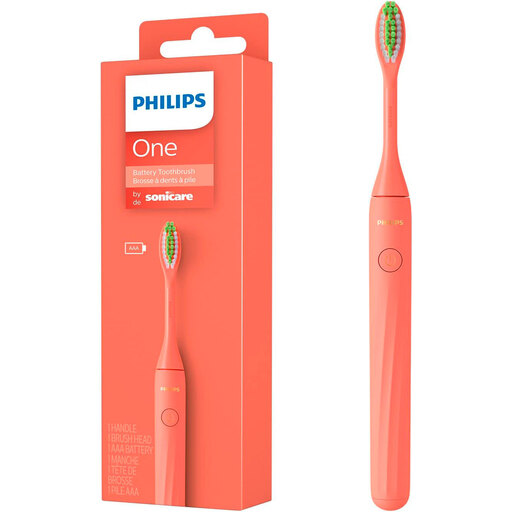
Why This Fits Their Persona: Ideal for those switching from manual brushing. This model offers Philips' sonic technology in a simple and affordable package, without the complexity of charging stations or apps.
You're not paying for 'smart' features you won't use. The focus is purely on the core function: an effective clean with a built-in timer.
Runs on a AAA battery that lasts up to 90 days. Its slim, lightweight design also makes it suitable for travel.
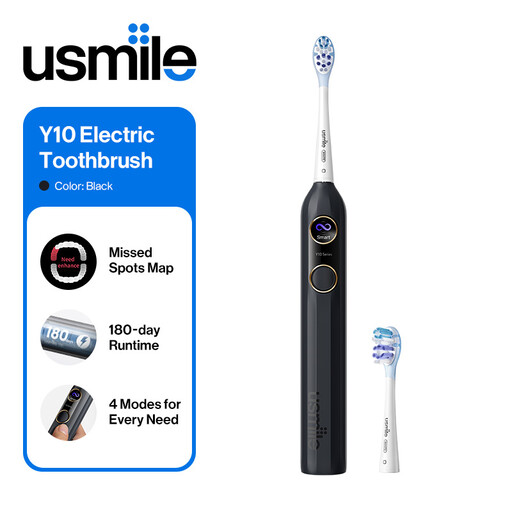
Why This Fits Their Persona: For those interested in technology that actually helps. The built-in screen provides immediate feedback on missed brushing zones, without needing to open an app.
The 'smart' feature is integrated into the device itself, which lowers the barrier to use. The visual feedback is practical and directly helps improve your brushing technique.
Features a pressure sensor and a battery life of up to 180 days. Charging is done via a modern USB-C port.
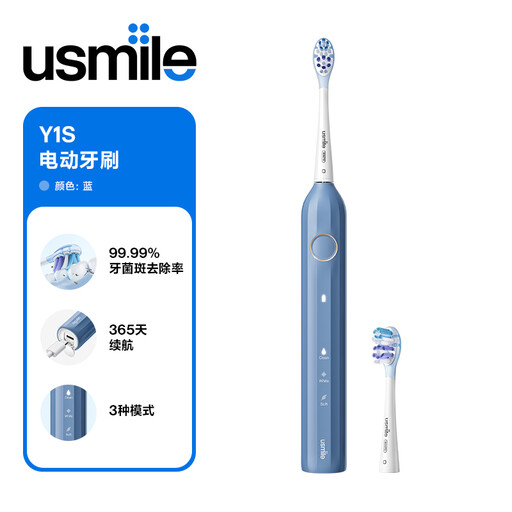
Why This Fits Their Persona: For those who are on the go and don't want to carry a charger constantly. This model is designed with travel in mind, from its battery life to the included accessories.
This model debunks the battery life myth with a concrete, impressive specification: up to 6 months of use on a single charge. This isn't a vague promise, but a core specification.
Extremely long battery life, charges via USB-C, and comes with a sturdy travel case. The handle has an anti-roll design.

Why This Fits Their Persona: An `electric toothbrush for kids` should be not only effective but also fun. This model turns brushing into a game via an interactive app, which motivates children.
Here, the 'smart' app isn't a gimmick but a core part of the experience. According to Philips, parents report that children brush significantly longer with it. The app has a clear purpose: education and motivation.
Comes with two brush head sizes for different ages and stickers to personalise the toothbrush. The app offers a reward system to encourage good brushing habits.
We have compiled a complete, up-to-date list of products that meet these selection criteria.
Most manufacturers, including Oral-B and Philips Sonicare, recommend replacing the brush head every three months. Worn bristles clean less effectively and can harbour more bacteria. Some brush heads have indicator bristles that fade to signal when it's time for a replacement.
Yes, an electric toothbrush can actually be a great choice. Opt for a model with a pressure sensor to prevent brushing too hard. A sonic toothbrush is often perceived as gentler than a rotating model. Many toothbrushes also have a special 'sensitive' or 'gum care' mode with a lower intensity.
Most modern electric toothbrushes have an IPX7 rating. This means the handle is fully waterproof and can be rinsed under the tap. So you can safely use it in the bathroom, but it's not recommended to submerge the device for extended periods, for example, in the bath. Always check that the charging port is properly sealed and dry before charging.
