
Vandaag of morgen in huis

Kwaliteit gegarandeerd

Welkomstaanbiedingen ontgrendelen: GRATIS bezorging | Tot 80% korting | Gratis 30 dagen JoyPlus-proefperiode
Download de app
Switching to an electric toothbrush feels like a major upgrade for your oral health. But the market is flooded with models promising whiter teeth, healthier gums, and a more radiant smile. Many of these promises come with a hefty price tag and features you might never use. Before you invest, it's wise to know what to look for to avoid buyer's remorse.
As a Joybuy Product Recommendation Officer, I see the challenges consumers face every day. These are the most common pitfalls:
To cut through the marketing noise, it's better to focus on a few concrete specifications that truly make a difference in your daily brushing experience.
This is the foundation of how the toothbrush cleans. There is no "right" or "wrong" technology; it's a matter of personal preference.
Instead of countless modes, there are two features that directly contribute to better oral health:
A rechargeable toothbrush is standard, but battery life varies enormously. If you only use the toothbrush at home, a week is sufficient. If you travel a lot, a model that lasts two weeks or more on a single charge is more practical. A toothbrush with a travel case is therefore a handy addition to transport the brush hygienically and safely.
Below is a selection of models tailored to different needs, based on their objective specifications.
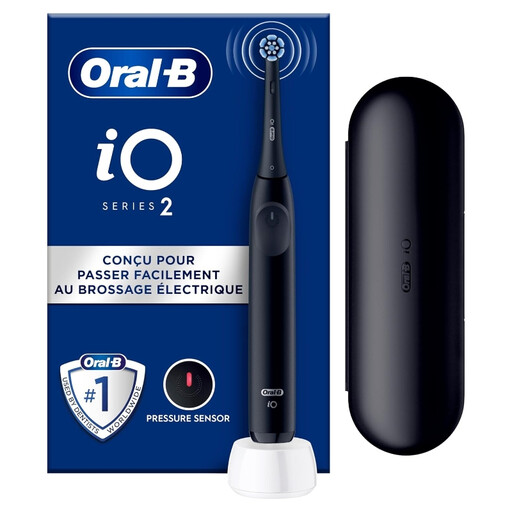
Why This Fits Their Persona: Ideal for those switching from a manual toothbrush. This model offers the core benefits of the advanced iO technology without the complexity and cost of the top-tier models.
This model focuses on the essentials: superior cleaning and gum protection. It avoids the pitfall of unnecessary features by offering 3 useful modes, including one for sensitive gums.
The magnetic iO technology with micro-vibrations ensures an effective and gentle clean. The built-in pressure sensor with a red light is a clear and practical aid.
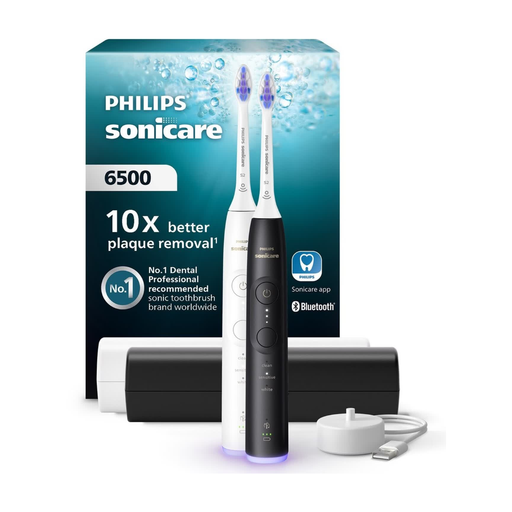
Why This Fits Their Persona: A complete set for two people. This duo pack provides two separate handles, which is more hygienic and practical than sharing one. The different modes and intensities cater to individual preferences.
Instead of buying two separate, expensive toothbrushes, a duo pack offers better value for money. It avoids the hidden costs of equipping an entire household.
Includes 2 handles, 2 travel cases, and a charger. With 3 modes (Clean, White, Sensitive) and 3 intensities, there's something for everyone. The 3-week battery life is a practical advantage.
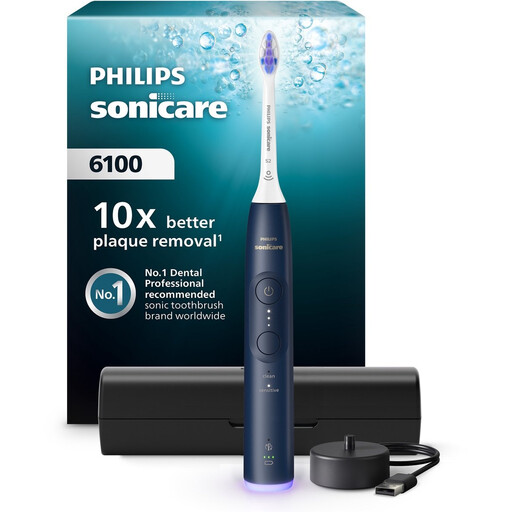
Why This Fits Their Persona: This toothbrush is specifically designed for people with sensitive gums. The combination of a special 'Sensitive' mode, a pressure sensor, and a slim travel case makes it a reliable choice for at home and on the go.
Instead of focusing on "whitening" or superfluous app features, this model addresses a core issue: comfortable and safe brushing for sensitive teeth. Its features are directly aimed at preventing irritation.
The combination of a pressure sensor, 2 brushing modes, and 3 intensity levels gives you complete control. The 3-week battery life and included travel case are ideal for travellers.
We have compiled a complete, up-to-date list of products that fully meet these strict selection criteria and local safety standards.
The general recommendation from manufacturers and dentists is to replace the brush head every three months. Many modern toothbrushes, like the models from Philips Sonicare with BrushSync, will alert you when it's time for a new brush. Worn-out bristles clean less effectively and can harbour more bacteria.
Neither technology is inherently "better." The choice depends on personal preference. A sonic toothbrush provides a gentle, vibrating sensation, while a rotating model offers a more powerful, polishing experience. Both types, when used correctly, are highly effective at removing plaque.
Yes, definitely. An electric toothbrush for sensitive gums is actually a great choice, provided you choose the right model. Specifically look for a toothbrush with a pressure sensor to prevent you from brushing too hard. Additionally, choose a model with a special 'Sensitive' or 'Gum Care' mode and use a brush head with soft bristles.
