
Vandaag of morgen in huis

Kwaliteit gegarandeerd

Welkomstaanbiedingen ontgrendelen: GRATIS bezorging | Tot 80% korting | Gratis 30 dagen JoyPlus-proefperiode
Download de app
An electric toothbrush can make your daily routine easier, but more features do not automatically mean a better purchase. The difference often lies in details such as battery life, available replacement brush heads, water resistance and how the timer or pressure sensor works.
For users in the Netherlands, three pitfalls are particularly important:
A toothbrush with multiple brushing modes is particularly useful if you switch between daily cleaning, sensitive teeth and, for example, a gentler setting. Do not just look at the number of modes, but also consider the intensity levels. Some models have five programmes, while others combine two or three modes with several intensity settings.
A toothbrush with a timer usually signals after 30 seconds that it is time to move to another part of your mouth, and stops or gives a warning after two minutes. This helps you divide brushing time evenly, but you still need to move the brush gently from tooth to tooth.
A toothbrush with a pressure sensor is useful if you tend to brush too hard. The warning may be provided by a light, vibration or automatic reduction in speed. This is a usage aid, not a medical treatment. If you experience ongoing sensitivity or bleeding gums, it is advisable to consult a dentist.
A rechargeable toothbrush usually has a built-in battery. Models with a stated usage time of 14 to 180 days are appealing to travellers, but always compare the charging method:
Actual usage time depends on the selected mode, intensity, battery status and number of brushing sessions per day.
With a waterproof electric toothbrush, the IP rating is a verifiable technical specification. According to the stated product classification, IPX7 and IPX8 offer greater protection against water than IPX4, but this does not mean you can hold the charging base under the tap. Use the toothbrush according to the instructions and do not charge it in a wet place.
Also check the price and availability of replacement brush heads. A low purchase price may become less attractive if suitable heads are difficult to find or are only available in expensive branded packs. Check whether the included brush head is soft, standard, whitening-focused or designed for gum care.
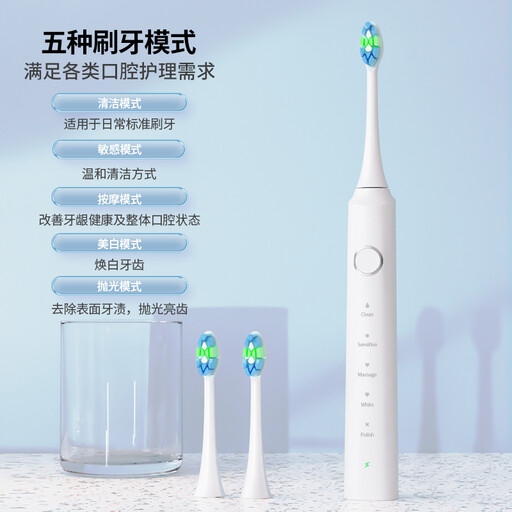
Why it suits this profile: Five brushing modes, a 2-minute timer and USB-C charging provide plenty of flexibility without requiring an app.
The product information clearly states five modes, a 30-second interval signal and IPX7 water resistance.
40 brushing sessions per charge according to the product specification, five modes and a USB-C connection.
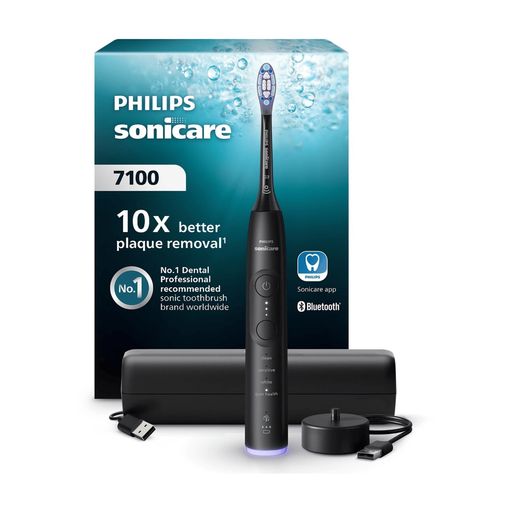
Why it suits this profile: This sonic toothbrush combines four modes with three intensities, a pressure sensor and a travel case.
The functions are clearly defined: a pressure warning, 30-second timer and brush-head replacement reminder.
62,000 brushing movements per minute according to the product details, four modes, three intensities and a travel case.
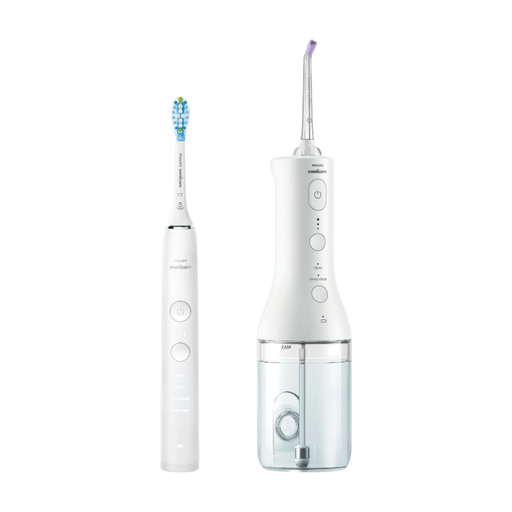
Why it suits this profile: This set combines an electric toothbrush with a water flosser for anyone looking to extend their daily oral care with cleaning between the teeth.
The set lists the individual components and capacities clearly: a 250 ml reservoir, four brushing modes and a 2-minute timer.
An electric toothbrush and Power Flosser in one set, with four modes, a pressure sensor and a travel case according to the product information.
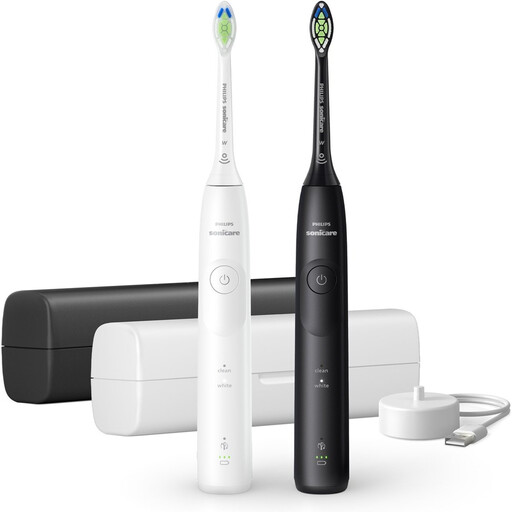
Why it suits this profile: Two handles and two brush heads make this duo pack practical for partners who each want their own toothbrush.
The packaging lists two handles, two brush heads, a charger and two travel cases; do check that you have enough space for charging.
Two brushing modes, a pressure sensor, a timer with 30-second intervals and a stated battery life of up to three weeks.
We have put together a complete, up-to-date list of products that fully meet these strict selection criteria and the applicable European safety regulations.
Lifespan varies depending on the brand, battery and maintenance. Rinse the brush head after use, keep the charging base dry and generally replace the brush head according to the product instructions, often after around three months. Declining battery life, a damaged casing or a loose brush head are signs that it is time to replace the device.
A sonic toothbrush is designed for daily cleaning. If you have sensitive teeth, start with a lower intensity and light pressure. Movement frequency, brushing modes and brush firmness vary from model to model. Therefore, check the instructions and choose a brush head that suits your needs.
As well as the purchase price, your main ongoing costs are replacement brush heads and electricity. Power consumption usually accounts for only a small proportion of the total cost. Compare the number of included heads, the price of compatible replacement heads and whether a set with multiple handles or a water flosser suits the way you use it.
