
Vandaag of morgen in huis

Kwaliteit gegarandeerd

Welkomstaanbiedingen ontgrendelen: GRATIS bezorging | Tot 80% korting | Gratis 30 dagen JoyPlus-proefperiode
Download de app
An electric toothbrush can be a practical upgrade from a manual toothbrush, but not every model is right for every user. The differences are not limited to the brand or the number of brushing movements. The timer, pressure control, charging method, battery life and price of replacement brush heads all affect how convenient the device is to use every day.
If you focus only on terms such as “smart technology” or a high number of movements per minute, you could end up buying a model that lacks the feature you actually need. Use the points below to compare a sonic electric toothbrush or rotary model based on measurable features.
An electric toothbrush with long battery life sounds convenient, but always check how the battery is charged. A USB-C connection is practical when travelling, while a fixed charging stand is better suited to a permanent spot in the bathroom. Also pay attention to the stated usage time: manufacturers may base this figure on one or two brushing sessions per day and a particular intensity level.
Also check whether the charging port needs to be dry before you connect the cable. A waterproof casing does not automatically mean you can charge the toothbrush while it is wet.
An electric toothbrush with multiple brushing modes may offer settings for daily cleaning, sensitive brushing, whitening or massage. These are only useful if you can select the modes easily and suitable brush heads are available.
More modes do not automatically mean better results. For many adults, a daily mode, a gentler setting and a timer are all they need. So look at the controls and intensity levels, not just the number used in the marketing.
According to Oral-B’s own research, an iO model can remove more plaque than a manual toothbrush in a particular comparison. Philips states that certain Sonicare models can remove up to a specified multiple more plaque than a manual toothbrush. Such percentages depend on the method used, the participants and the comparison period. Treat them as brand claims rather than a guarantee of your personal experience.
An electric toothbrush for adults should above all be comfortable to hold, easy to control and able to run for long enough to complete a full brushing session.
A toothbrush with a timer helps you stick to the recommended brushing time. Many models give a signal after 30 seconds to prompt you to move to another part of your mouth and stop after two minutes. This helps prevent you from concentrating mainly on the front teeth and rushing through the back.
Check whether the timer starts automatically, vibrates, pauses or is only shown on the handle. A simple signal may be more practical than an app that you have to open every time.
An electric toothbrush with a pressure sensor warns you when you are pressing too hard. On some models, this is done with a light; on others, with a vibration or automatic reduction in intensity. This is a control aid, not a medical function.
Pay attention to the difference between a genuine pressure sensor and simply having an adjustable gentle setting. A gentle setting reduces the power, but does not necessarily measure how much pressure you are applying yourself.
A waterproof electric toothbrush often has an IPX rating. According to the usual classification, IPX7 means protection during temporary immersion; IPX8 refers to conditions specified in greater detail by the manufacturer. The rating does not automatically apply to the charger or charging port.
Use the charger according to the instructions, keep the charging area dry and do not charge the toothbrush when the connection is damp. Also check whether the packaging includes a charging station, USB cable or travel case.
The handle is only part of the purchase. Replace brush heads regularly, for example when recommended by the manufacturer or when the bristles are visibly worn. Compare the following in advance:
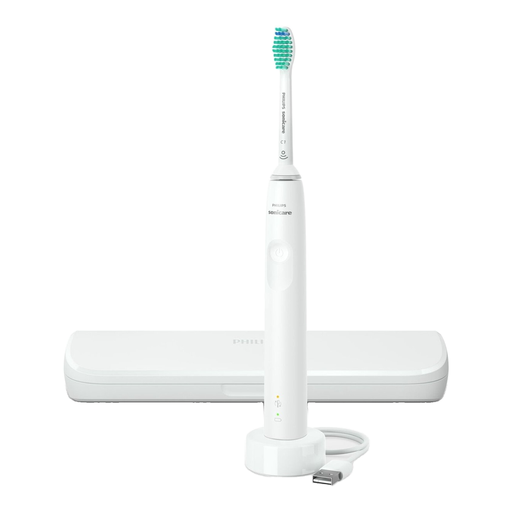
Why it suits this profile: This sonic model combines a 2-minute timer, 30-second interval and pressure control with a stated battery life of up to 14 days. The travel case is handy for short trips.
The key features are clearly described, without requiring you to learn how to use several advanced modes.
Pressure sensor, USB charging station, BrushSync replacement reminder and travel case.
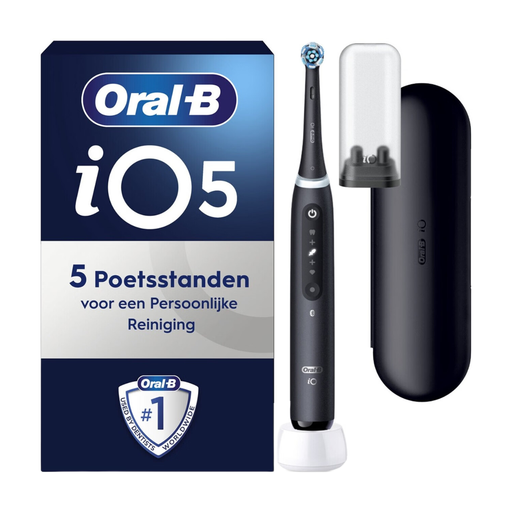
Why it suits this profile: The Oral-B iO5 has five brushing modes, a visible pressure sensor, a timer and app connectivity. The round brush head and 34.800 movements per minute are specified in the product information.
The app and light signals make the smart features tangible; the pressure sensor is not merely a pre-set gentle mode.
5 brushing modes, light and vibration pressure sensor, lithium-ion battery and stated charging time of 3 hours.
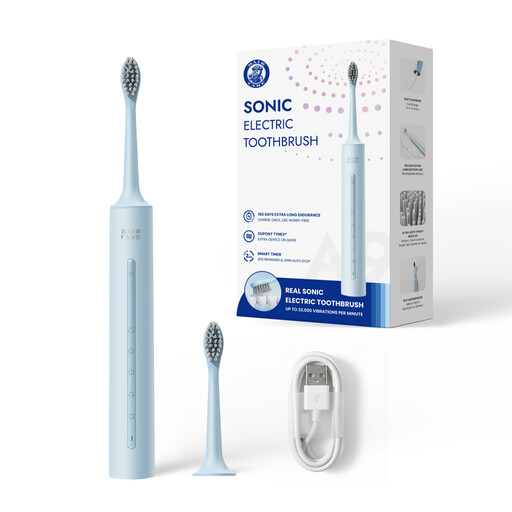
Why it suits this profile: The A9 is aimed at users who want to charge their toothbrush as little as possible. The product name states 180 days of battery life, five cleaning modes, three intensities, a smart timer and IPX7 water resistance.
The battery claim is accompanied by specific charging and safety instructions. However, check the current price and availability of suitable brush heads.
Stated battery life of 180 days, 5 modes, 3 intensities, 2-minute timer and IPX7.
We have put together a complete, up-to-date list of products that fully meet these strict selection criteria and the applicable European safety regulations.
Its lifespan depends on the battery, charging method, motor and maintenance. Battery life per charge does not indicate how long the device will last overall. Rinse the brush head after use, let the handle dry and replace the brush head according to the manufacturer’s instructions.
A sonic electric toothbrush is designed for daily brushing when you follow the instructions. Choose a gentle setting if you are sensitive to vibrations and do not use more pressure than necessary. If problems persist or you have recently had dental treatment, it is advisable to seek advice from a dentist.
In addition to the purchase price, you mainly pay for replacement brush heads and electricity. Charging costs are generally limited; the price difference usually comes from the brush heads, additional handles, travel case and smart features. So compare the total cost over the period you intend to use the model.
