
Vandaag of morgen in huis

Kwaliteit gegarandeerd

Welkomstaanbiedingen ontgrendelen: GRATIS bezorging | Tot 80% korting | Gratis 30 dagen JoyPlus-proefperiode
Download de app
An electric toothbrush can make brushing easier, but not every model suits every user. A low price says little about the features available, while an expensive device is not automatically a better fit for your routine. Pay particular attention to the brushing movement, pressure control, battery and the cost of replacement brush heads.
A water flosser or cordless water flosser can also complement your oral care routine. These devices direct a jet of water into the spaces between your teeth and along the gumline. They do not replace brushing, but they can be useful when you want to give extra attention to hard-to-reach areas.
Brands often quote high numbers of movements per minute. This is a measurable specification, but it does not tell you everything about how the toothbrush performs. The shape of the brush head, the available intensity levels and the way you hold the handle also affect the experience.
An electric toothbrush with a pressure sensor can be more practical than a model that simply offers a high speed. For example, the sensor may use lights, sounds or vibrations to indicate when you are applying too much pressure.
A rechargeable toothbrush is usually only the start of the purchase. Before ordering, check which replacement brush heads are suitable and how often the manufacturer recommends replacing the brush head. The product information for several models states a period of around three months, or sooner if there is visible wear.
Also pay attention to compatibility. Oral-B iO brush heads do not automatically fit every Oral-B handle. The same applies to Philips Sonicare brush heads and other systems.
A large water reservoir may sound appealing, but it can be inconvenient in a small bathroom or when travelling. So check the tank capacity, weight, filling method and how easy it is to clean after use. A removable reservoir is easier to empty and leave to dry.
High water pressure is not comfortable for everyone either. If you have sensitive gums, start on the lowest setting and only increase the pressure if it remains comfortable. If your gums continue to bleed or feel irritated, it is wiser to seek advice from a dentist than to keep experimenting with the settings.
Electric toothbrushes use, among other things, oscillating, rotating or sonic movements. In addition to the technology, look at the number of settings. A toothbrush for sensitive gums should ideally have a sensitive mode or several intensity levels, so you do not always have to brush at the most powerful setting.
For example, the Philips Sonicare 7100 Series lists four brushing modes and three intensity levels. According to the product description, these are Sensitive, Clean, White and Gum Health. The Oral-B iO 3N has three modes: Daily Clean, Sensitive and Whitening. This information comes from the brands’ product details and should not be interpreted as a guaranteed medical effect.
A toothbrush with a timer helps you maintain a consistent brushing time. Many models also give a signal every 30 seconds to tell you to move to another zone. This makes your routine easier to follow, particularly if you are prone to quickly skipping part of your mouth.
A pressure sensor is especially useful if you brush too hard. According to the product information, the Oral-B iO 3N uses red, white and green lights to indicate pressure. The Philips Sonicare 7100 Series gives a warning when too much pressure is applied. However, check whether the sensor is active in the selected mode and read the manual for the exact signals.
For everyday use, a rechargeable toothbrush with a clear battery indicator is practical. Travellers should also look for a USB-C connection or a compact travel case. With devices that have a charging port, make sure it is completely dry before connecting the cable.
For a water flosser, the IPX rating, battery life and reservoir are important. The rating indicates the level of protection against water under the stated conditions; it is not an invitation to submerge the device for long periods. Empty the tank after use, leave it to dry and clean the nozzles regularly.
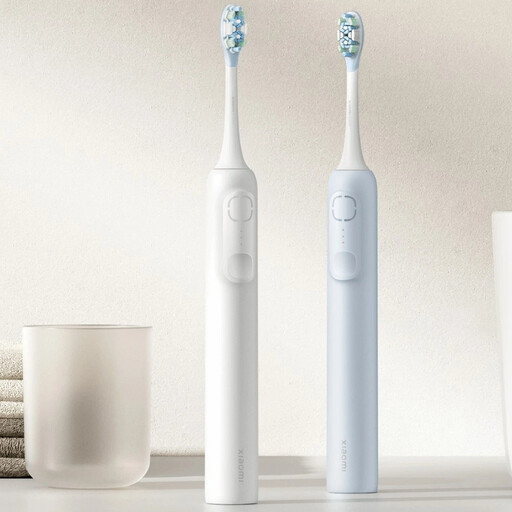
Why it suits this profile: A straightforward entry-level choice for adults looking for an electric toothbrush with a rechargeable battery and USB Type-C charging, without needing lots of extra features straight away.
The product information lists oscillation, an ergonomic design and USB Type-C charging. However, check which replacement brush heads are available beforehand.
Rechargeable battery, USB Type-C connection and a compact handle for everyday use.
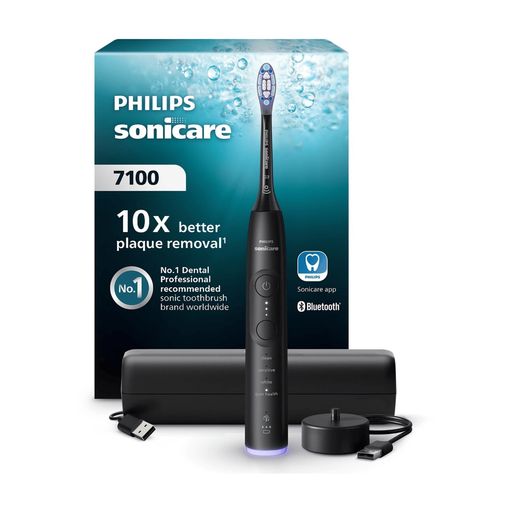
Why it suits this profile: Suitable for adults who want to combine several brushing modes, a travel case and guidance on brushing technique.
The pressure sensor and replacement reminder highlight two points that are often overlooked. According to Philips, the app helps you keep track of brushing zones; this is a brand claim, not a guarantee of a particular result.
62,000 movements per minute according to the product specification, four modes, three intensity levels and a travel case.
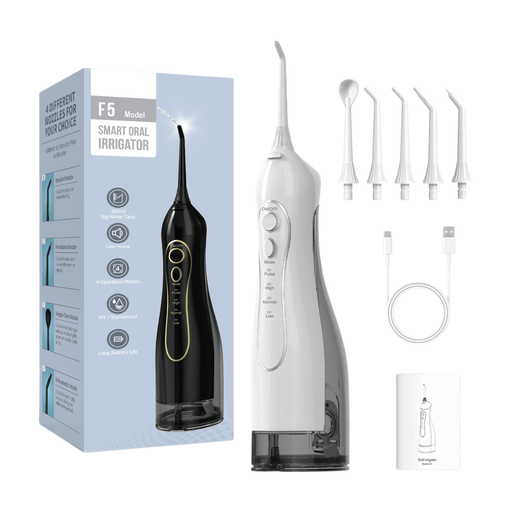
Why it suits this profile: A practical choice for travellers or users who want to give extra attention to the spaces between their teeth alongside using an electric toothbrush.
The removable 300 ml tank is easy to fill and clean. With five pressure settings, you can start lower if you have sensitive gums.
300 ml reservoir, five settings, 360° rotating nozzle and, according to the product details, up to 40 days of battery life.
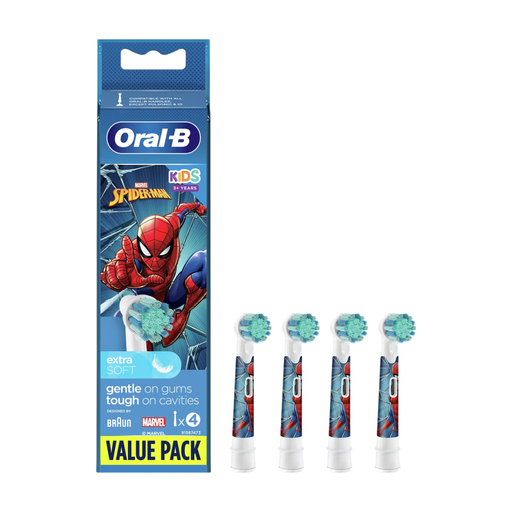
Why it suits this profile: For children aged 3 and over with a compatible Oral-B Kids handle. These are replacement brush heads, not a complete electric children’s toothbrush.
The small round head and extra-soft bristles are designed for the stated age category. Adult supervision is still required.
Four extra-soft replacement brush heads per pack and compatibility with all Oral-B Kids handles according to the product information.
A manual toothbrush remains an affordable and compact choice. Signal Easy Clean Medium comes in a pack of four and, according to the product description, has bristles of different lengths. Jordan Total Clean Medium has multifunctional bristles and a tongue cleaner on the back. Derlon Double Action Medium is available as a two-pack.
Choose a manual toothbrush if you do not want to charge a battery, travel frequently or prioritise low ongoing costs. Choose an electric model if a timer, pressure sensor or consistent movement helps you brush more thoroughly and regularly. Replace both types as soon as the bristles start to wear; follow the information on the packaging.
This depends on the battery, charging frequency, exposure to water and maintenance. Rinse the brush head after use, let the handle dry and only use the charger supplied or one that is suitable. The brush head is a consumable item and will generally need replacing sooner than the handle.
Not every model is suitable for children. According to the product information, the Philips Sonicare 7100 Series is intended for adults. Special handles and small, extra-soft brush heads are available for children aged 3 and over. Keep small parts out of reach of children under 3 and continue to supervise young children.
In addition to the purchase price, you will pay for replacement brush heads and, potentially, a new charging accessory. Compare the price per set, compatibility and recommended replacement frequency. A simple manual toothbrush often costs less to buy, while features such as a timer or pressure sensor can offer extra convenience for some users.
We have put together a complete, up-to-date list of products that fully meet these strict selection criteria and the applicable European safety regulations.
