
Vandaag of morgen in huis

Kwaliteit gegarandeerd

Welkomstaanbiedingen ontgrendelen: GRATIS bezorging | Tot 80% korting | Gratis 30 dagen JoyPlus-proefperiode
Download de app
An electric toothbrush can make your brushing routine easier to manage, but not every model suits every user. The differences go beyond the brand and the number of brushing movements. The softness of the brush head, the availability of replacement brush heads, the battery and how the timer works all affect how practical your purchase will be in the long run.
Look out for these three common pitfalls:
A rotating electric toothbrush usually has a small, round brush head that you move from tooth to tooth. According to its product specifications, the Oral-B Vitality Pro D103 Duo uses 2D technology with rotating movements and has three modes: Daily Clean, Sensitive and Sensitive Plus.
A sonic toothbrush works through rapid vibrations. The Philips Sonicare 7300 Series and Series 6100 specify up to 62,000 movements per minute, with Sensitive and Clean modes and three intensity levels. Oclean X Lite also uses sonic micro-vibrations and has a digital screen.
More movements don’t automatically mean a model is better suited to you. If you have sensitive teeth or gums, a soft brush head, low intensity and controlled pressure matter more than a high number on the packaging.
A timer helps you stick to the recommended two-minute brushing time. Some models also signal every 30 seconds to prompt you to move to another part of your mouth. The Oral-B iO 3 has a light signal to indicate brushing pressure and a timer with 30-second intervals. Selected Philips models use a pressure sensor with light and vibration alerts, as well as a 20-second zone reminder.
A toothbrush with a pressure sensor is particularly useful if you tend to scrub your teeth. The sensor won’t prevent incorrect use on its own: when the signal appears, you need to reduce the pressure. Also look at the difference between a basic timer and a system that indicates pressure, brushing zones or when to replace the brush head.
Check the stated battery life and charging time. The Oral-B Vitality Pro D103 Duo specifies a battery life of 56 minutes and a charging time of around 12 hours. The Philips Sonicare 7300 Series and 6100 Series specify up to three weeks of use on a full charge, depending on the conditions of use. The Oral-B iO Series 3 Ice Blue specifies up to two weeks.
Also check the charging solution. A model with USB-C, such as Oclean X Lite and the Xiaomi Oscillation Electric Toothbrush, can be handy when travelling. Other models come with their own charging station. Only use the supplied charger or one approved by the manufacturer.
For many models, replacement brush heads are recommended approximately every three months, or sooner if the bristles fray. Before you buy, check:
For example, an Oral-B iO brush head won’t necessarily fit every Oral-B handle. Checking this can help you avoid a common buying mistake.
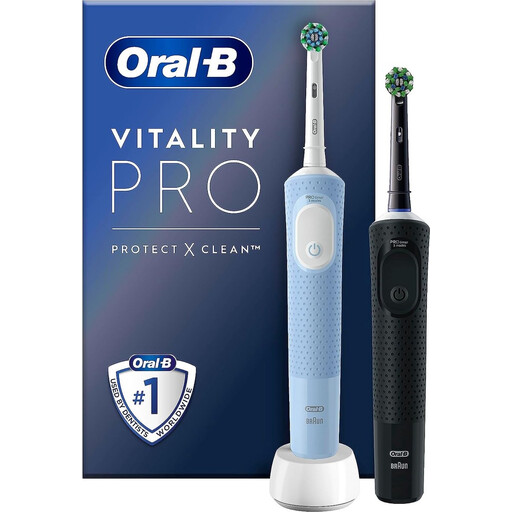
Why it suits this profile: This set includes two handles and two brush heads, making it a practical choice for partners or a household looking for a simple way to get started.
The three modes, including Sensitive Plus, mean you’re not limited to one fixed brushing intensity. A built-in timer helps you keep to the recommended brushing time.
Two handles, three modes, soft round brush heads and a charging station.
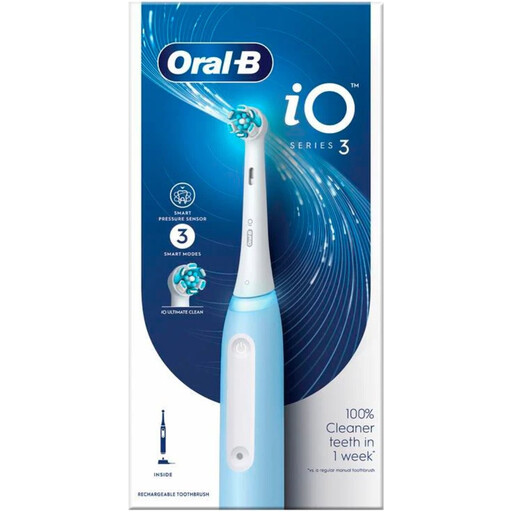
Why it suits this profile: The combination of a round brush head, magnetic drive and three brushing modes is a good fit for users who want more feedback while brushing.
The visible pressure sensor makes an important product feature easy to check while brushing. Bear in mind that it takes separate iO brush heads.
Three modes, a lithium-ion battery, a magnetic charging stand and pressure feedback.
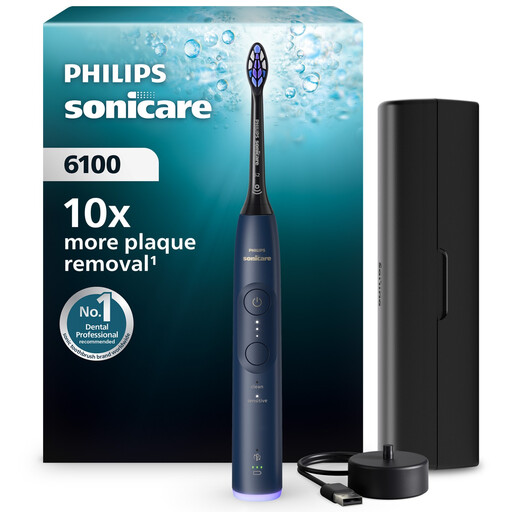
Why it suits this profile: The Sensitive brush head, three intensity levels and stated battery life of up to 21 days make it a good fit for users who want to brush gently and are often on the go.
The pressure sensor, timer and BrushSync replacement reminder focus on practical use, rather than just high speeds.
Up to three weeks’ battery life according to the product specifications, two modes, three intensity levels and a travel case.
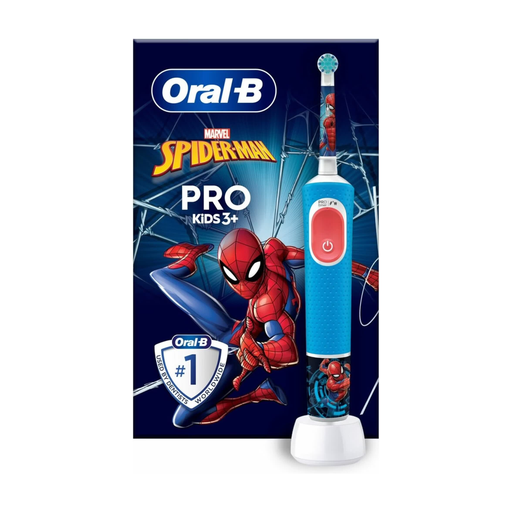
Why it suits this profile: According to the product information, this model is intended for children aged 3 and over. It has a Sensitive mode, a small round brush head and stickers for the handle.
The age recommendation and extra-soft brush head make it clear that an adult handle isn’t automatically suitable for a child. Supervision is still needed.
Two brushing modes, a timer, a charging station and a brush head designed for small mouths.
A toothbrush with Bluetooth can connect brushing data to an app. The Philips Sonicare For Kids HX6322/04 uses Bluetooth and an app to track brushing time and habits. This can motivate children, but it doesn’t automatically make the handle more suitable for every situation.
According to its product specifications, Oclean X Lite has a built-in LED screen, a zone reminder and an IPX7 rating. Always follow the instructions on water exposure and charging. A water-resistant handle doesn’t mean the charging port or charging station can be submerged.
We’ve put together a complete, up-to-date list of products that meet these strict selection criteria and the applicable European safety requirements.
Its lifespan depends on the battery, charging station, exposure to water and maintenance. Clean the handle according to the instructions and don’t use a damaged brush head or cable. The minimum legal guarantee for consumer purchases in the EU is two years, but this doesn’t cover normal wear and tear on brush heads.
Many manufacturers recommend replacing it about every three months. Replace it sooner if the bristles fray, discolour or become misshapen. Always use a brush head that’s compatible with the specific system, such as Oral-B iO heads for iO handles.
As well as the purchase price, you’ll need to pay for replacement brush heads and electricity. Electricity use is usually a small part of the overall cost. So focus on comparing the price and availability of the right brush heads, how many are included and how often they’re likely to need replacing.
