
Vandaag of morgen in huis

Kwaliteit gegarandeerd

Welkomstaanbiedingen ontgrendelen: GRATIS bezorging | Tot 80% korting | Gratis 30 dagen JoyPlus-proefperiode
Download de app
Switching from a manual to an electric toothbrush seems like a logical step for better oral care. But the market is flooded with models that promise the world. Many of these promises are pure marketing hype. Before you invest, it's important to know what to look for to avoid wasting money on features you won't use or on a device that ends up in a drawer after just a few months.
As a Joybuy Product Recommendation Officer, I'm here to help you cut through the noise and focus on what really matters. Here are the three most common pitfalls and how to avoid them.
Many models are labelled "smart" simply because they connect to an app via Bluetooth. In reality, most people never open the app again after the first week. A truly smart feature is one that directly improves your brushing routine without you having to reach for your phone. Think of a built-in toothbrush with a timer that helps you brush for the recommended two minutes, or a pressure sensor that warns you when you're brushing too hard.
There's nothing more annoying than an electric toothbrush that constantly needs to be charged. Marketing terms like "long battery life" mean very little. A model that's dead after just a week is impractical for daily use, let alone for travel. An electric toothbrush with long battery life, specified in weeks or even months, is one of the most important specifications to look for.
Five, seven, or even more brushing modes may sound impressive, but in reality, most people only use one or two: one for daily cleaning and perhaps one for sensitive teeth. Don't be tempted by a long list of modes like "polish" or "tongue clean". Focus on the quality of the basic cleaning and the technology used to deliver it.
To avoid a bad purchase, focus on the specifications that truly matter. These are the three key points to check before making your choice.
There are two main technologies on the market:
Neither is definitively better; it's a matter of personal preference. If you have sensitive gums, a sonic model might feel more comfortable.
A good rechargeable toothbrush should last for weeks, if not months, on a single charge. Check the specifications for the battery life in days. Models with a 180-day runtime are no longer an exception and offer incredible convenience. For frequent travellers, an electric travel toothbrush that runs on replaceable batteries (like AAA) can also be a practical solution, as you don't need to pack a charger.
These are the "smart" features that actually contribute to better brushing habits.
Based on these practical criteria, we have selected a few models that suit different user profiles.
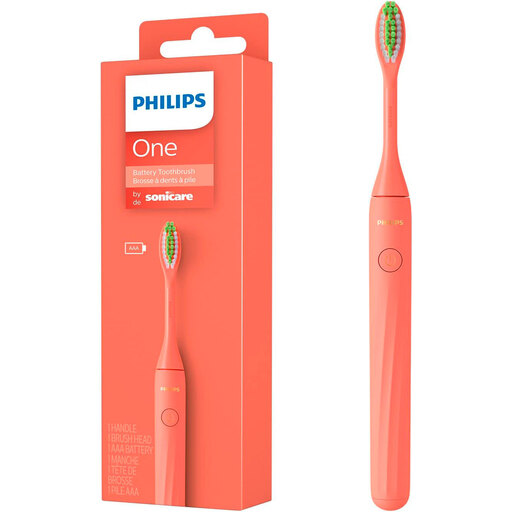
Why This Fits Their Persona: Ideal for those who want to make the switch without immediately investing in an expensive model. Its compact design and AAA battery operation make it perfect for home and on the go.
This model bypasses battery frustration by running for up to 90 days on a single AAA battery. No charger, no hassle.
Includes the essential 2-minute timer with a quadpacer. The sonic micro-vibrations provide an effective clean without unnecessary extras.
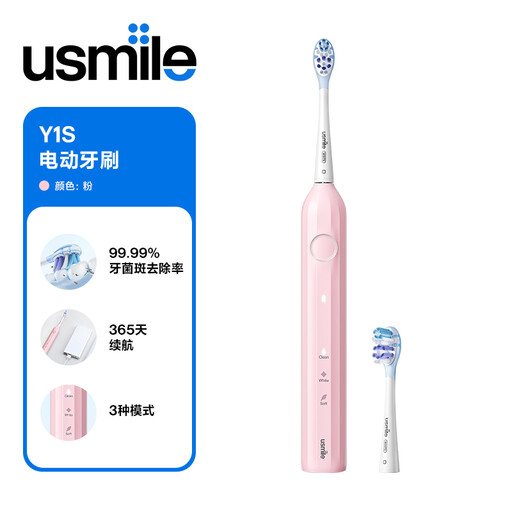
Why This Fits Their Persona: For those seeking maximum convenience and reliability. This toothbrush only needs to be charged twice a year, making it ideal for both home use and long trips.
Directly tackles battery frustration with a runtime of up to 180 days. It also avoids the pitfall of excessive modes with three focused options: Clean, White, and Soft.
Extremely long battery life and USB-C charging. It comes with a travel case, confirming its status as the perfect electric travel toothbrush.
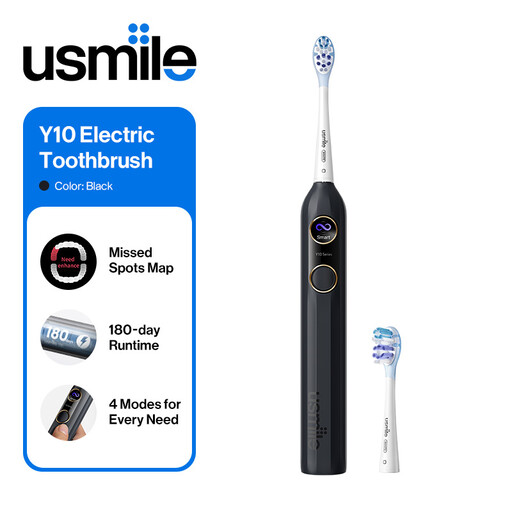
Why This Fits Their Persona: For the user looking for technological innovation that actually improves the brushing experience. The built-in screen provides instant feedback without relying on an app.
This is a smart toothbrush that avoids the useless app trap. The screen shows missed brushing zones and warns you if you apply too much pressure, providing immediately actionable information.
The intelligent screen with visual feedback is a unique feature. It combines this with four useful brushing modes and a 180-day battery life.
We have compiled a complete, up-to-date list of products that fully meet these strict selection criteria and European safety regulations.
It is generally recommended to replace the brush head every three months. Worn bristles clean less effectively and can harbour more bacteria. Some brush heads have indicator bristles that fade in colour to signal it's time for a replacement.
Neither technology is objectively "better." It depends on personal preference. A sonic toothbrush produces rapid vibrations that many people find gentle and effective. A rotating brush creates a powerful, scrubbing motion. The most important thing is to choose a model that feels comfortable and that you will use consistently.
Yes, you can take an electric toothbrush in your carry-on luggage on a plane. Models with a very long battery life or those that run on standard batteries are especially convenient, as you can leave the charger at home.
