
Vandaag of morgen in huis

Kwaliteit gegarandeerd

Welkomstaanbiedingen ontgrendelen: GRATIS bezorging | Tot 80% korting | Gratis 30 dagen JoyPlus-proefperiode
Download de app
An electric toothbrush can be a practical step up from a manual toothbrush, but the range varies considerably. A low price does not automatically mean fewer features, while a smart electric toothbrush is not essential for everyone. Focus on verifiable specifications rather than terms such as “professional cleaning” or “AI technology”.
Brands sometimes quote percentages relating to cleaner teeth, plaque or gums. Such figures are not automatically comparable between products. When a manufacturer claims a particular result, it usually refers to a specific comparison, usage period and testing method based on the brand’s own research.
Start by looking at the features you will actually use every day:
A battery life of 60 or 180 days sounds convenient, especially for frequent travellers. Also check how the toothbrush is charged. A USB-C connection is practical when you are on the move, while a charging station stays securely on the washbasin. Also pay attention to the instruction to dry the charging port completely before connecting it.
A screen, Bluetooth app or brushing map can be useful if you like having guidance. For others, these features add little value. A simple electric toothbrush with a timer and pressure sensor may therefore make more sense than an expensive model with extensive software.
A pressure sensor warns you when you are applying too much force. Some models automatically reduce the intensity, while others provide light or vibration feedback. This is particularly relevant for people who brush hard or are looking for an electric toothbrush for sensitive gums.
For example, the Oral-B iO2 states that it has an automatic sensor which reduces the speed and shows a red light when too much pressure is applied. Use a gentle motion and let the brush do the work. If irritation or bleeding persists, it is advisable to consult a dentist.
A timer helps you avoid brushing for too short a time. Many models divide the two minutes into four 30-second intervals. The Philips Sonicare 5500 states that it has an interval timer, while Oral-B iO models also use signals to indicate when to move to another zone.
A timer makes your brushing routine more consistent, but it does not replace good technique. Move the brush gently along the outer, inner and chewing surfaces of your teeth.
A sonic toothbrush uses rapid vibrations, while Oral-B iO models work with a round brush head and a combination of rotating, pulsating and vibrating movements. No single method is automatically right for every user. Pay particular attention to:
More modes are only valuable if they fit your routine. For beginners, one button and two or three clearly defined intensity levels are often easier to understand.
Do not compare only the number of days of battery life, but also what is included in the set. A travel case, extra brush head or second handle can change the overall value in use. Also check whether the stated battery life is based on a particular number of brushing sessions per day.
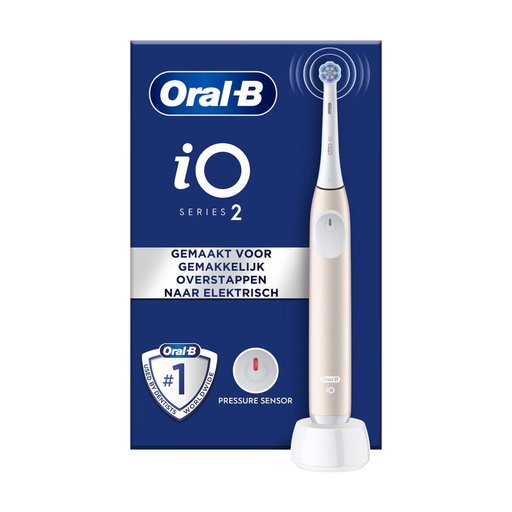
Why it suits this profile: One-button operation and three intensity levels make this model easy to use for anyone trying an electric toothbrush for the first time.
You are not paying solely for an app or screen. The product description specifically mentions a pressure sensor, timer and three gentle intensity levels.
Automatic pressure warning, two-minute timer and brush-head replacement every three months according to the product information.
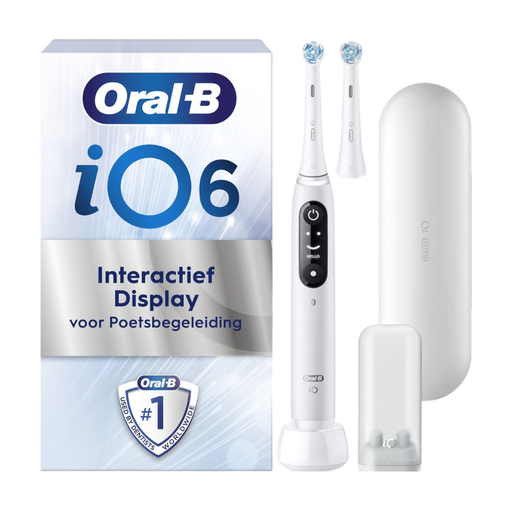
Why it suits this profile: This model is aimed at users who value feedback, multiple modes and a display as part of their daily routine.
The features are clearly described: five brushing modes, a pressure sensor, display and app support. This allows you to decide whether you genuinely need them.
Five modes, interactive feedback, pressure detection and two brush heads included according to the product specifications.
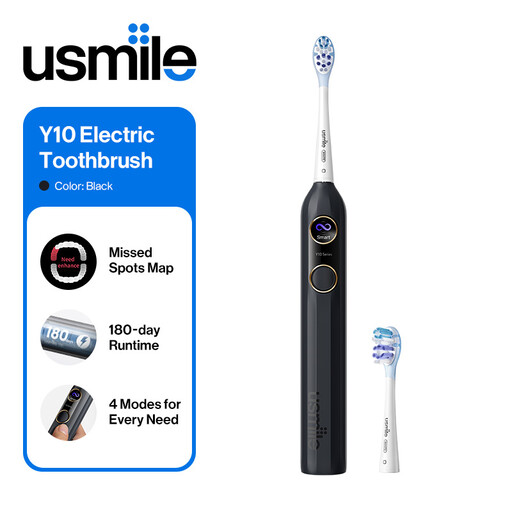
Why it suits this profile: The stated battery life of up to 180 days and USB-C connection are practical for travellers or users who prefer to charge their toothbrush infrequently.
The long battery life is linked to a stated usage condition, so check the current manual and only charge the USB-C port when it is dry.
Four brushing modes, smart screen feedback, pressure sensor, IPX7 water resistance and a stated battery life of up to 180 days.
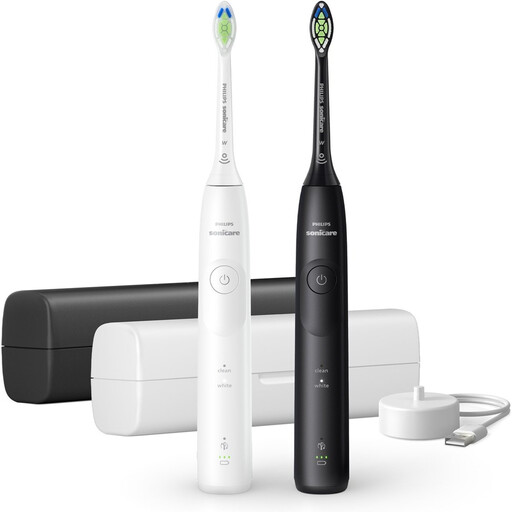
Why it suits this profile: With two handles and two brush heads, this set is designed for partners or housemates who want to share charging and purchasing.
There is no need to select two separate handles. The pack contents list two toothbrushes, two brush heads, charging accessories and travel cases.
Two modes, pressure sensor, 30-second timer and a stated battery life of up to three weeks per full charge.
We have put together a complete, up-to-date list of products that fully meet these strict selection criteria and the applicable European safety regulations.
The handle is only part of the total cost. Bear the following in mind:
It can be, depending on the setting and your brushing technique. Choose a soft or sensitive mode and look for a pressure sensor. Brush without applying extra force. If you experience pain, severe irritation or persistent bleeding, contact a dentist.
Battery life varies considerably between charges. Product details give examples ranging from around three weeks and fourteen days to sixty days and up to 180 days. Actual battery life depends on the number of brushing sessions, the selected mode and the condition of the battery. The brush head will generally need replacing much sooner than the handle.
Only if you use the feedback. A screen, app or brushing map can help you keep track of specific zones, but a timer and pressure sensor already provide practical support without extensive software. Compare the features with your own routine and also check the price of replacement brush heads.
