
Vandaag of morgen in huis

Kwaliteit gegarandeerd

Welkomstaanbiedingen ontgrendelen: GRATIS bezorging | Tot 80% korting | Gratis 30 dagen JoyPlus-proefperiode
Download de app
An electric toothbrush can help you brush more regularly and evenly, but not every model is right for every user. The differences go beyond the number of brushing modes or a flashy display. The pressure sensor, replacement brush heads, battery life and included accessories also determine whether your purchase remains practical in the long term.
If you focus only on a high number of brush movements or a smart app, you could end up paying more than you need to. Read on to find out which features really matter and which electric toothbrush suits different needs.
A sonic toothbrush with a high number of movements per minute may sound appealing, but this figure doesn’t tell you everything about how it performs. Brushing time, brush head shape, intensity control and how you move the toothbrush are just as important. A high figure alone isn’t a good reason to choose a model.
An electric toothbrush with an app can show brushing information such as time, zones or missed areas. But you’ll need to install the app, switch on Bluetooth and regularly connect the toothbrush to your phone. If you simply want an easy brushing routine, a clear timer and pressure sensor may be more useful than extensive software.
A rechargeable toothbrush usually has replaceable brush heads. Manufacturers often recommend replacing the brush head about every three months, or sooner if the bristles are worn. So before you buy, check the price and availability of compatible brush heads. An affordable handle may seem less appealing if its accessories are hard to find.
A toothbrush with a pressure sensor warns you when you’re brushing too hard. This could be a light, vibration or alert on the handle. The sensor isn’t a substitute for personalised advice from a dentist, but it can help you understand your brushing habits. If you have sensitive gums, a gentle mode and a visible warning are often more practical than a large number of powerful settings.
Check the difference between a warning and automatic adjustment. Some models reduce the intensity when you press too hard; others only give a light or vibration signal.
An electric toothbrush with a timer usually signals when two minutes are up and may also alert you every thirty seconds to move to a different zone. It’s a practical feature that supports your daily routine without requiring an app.
A twin pack can be handy for two people. Just check that each user gets their own handle and brush head. Sharing brush heads isn’t intended as a normal way to use the toothbrush.
Look beyond the claimed battery life to the type of charger and the charging time. A model with long battery life is practical for travelling, while a compact travel case protects the brush head. Let a wet toothbrush dry before storing it in a closed case.
A water-resistant casing doesn’t mean the charger can get wet. Always follow the instructions and keep the charging station away from water while charging.
A rotating model, such as various Oral-B iO models, uses a round brush head with rotating and vibrating movements. A sonic toothbrush, such as Philips Sonicare, uses rapid vibrations. Both systems offer a range of modes and accessories. Above all, choose a brushing method that lets you position the brush head comfortably and move it gently along your teeth.
If you have sensitive gums, look for a sensitive or gentle mode. A gentler setting isn’t a medical treatment. If you have persistent pain, irritation or bleeding gums, it’s best to speak to a dentist.
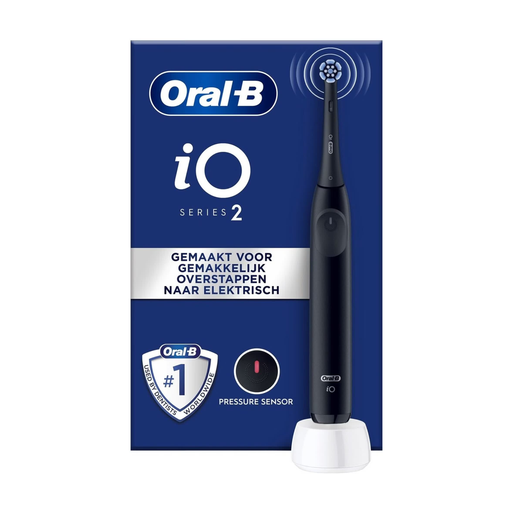
Why it suits this user: This model combines three intensity settings with an automatic pressure sensor and a timer. That makes it easy to use if you’re switching from manual brushing.
You’re not paying just for an app or an elaborate screen. The practical core features are available right on the handle.
Pressure sensor, three modes, a timer that alerts you every thirty seconds and an included charging station.

Why it suits this user: If you want plenty of guidance, the product description lists seven brushing modes, an interactive colour display, Bluetooth and an app with position detection.
The smart features provide practical information on brushing zones, pressure feedback, battery status and when to replace the brush head.
Seven modes, pressure sensor, Bluetooth app, colour display and magnetic charging with a travel case, according to the product information.
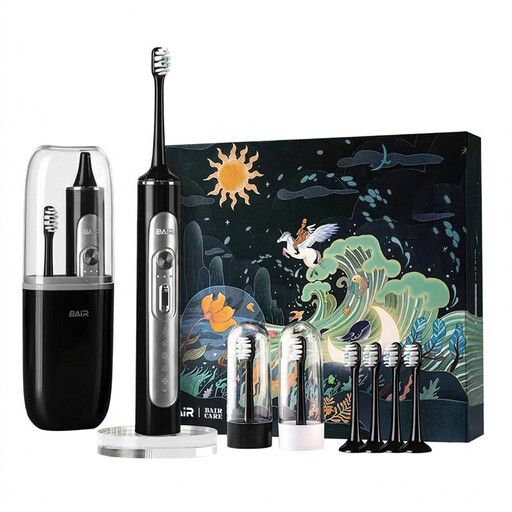
Why it suits this user: With a claimed battery life of up to 180 days, five brushing modes, three intensity levels and a travel case, it’s designed for frequent use and travel.
Its claimed long battery life means you won’t need to rely on a charging station as often, while the timer helps you keep brushing for a consistent amount of time.
Rechargeable design, five modes, three intensity levels, a two-minute timer, IPX7 water resistance and a premium travel case, according to the product listing.
We’ve put together a complete, up-to-date list of products that meet these strict selection criteria and current European safety regulations.
Its lifespan depends on the battery, charging station, motor and how well it’s maintained. Replace the brush head according to the manufacturer’s instructions, usually about every three months. Charge the handle as directed and regularly check the brush head, cable and casing for damage.
A sonic toothbrush may have a gentle mode and several intensity settings. This lets you brush more gently, but it doesn’t automatically mean the toothbrush is right for you. Use light pressure and ask a dentist for advice if the sensitivity persists.
As well as the purchase price, your main costs will be replacement brush heads and any subscription or extra accessories. Factor in the number of users, the recommended replacement interval and the cost of original or compatible brush heads. One handle may be enough for one person; a twin pack can be a practical choice for two.
