
Vandaag of morgen in huis

Kwaliteit gegarandeerd

Welkomstaanbiedingen ontgrendelen: GRATIS bezorging | Tot 80% korting | Gratis 30 dagen JoyPlus-proefperiode
Download de app
An electric toothbrush can help you brush more regularly and evenly, but not every model suits every user. A high price, numerous brushing modes or an impressive number of movements per minute says little about your day-to-day experience on its own.
The key question is therefore not which toothbrush has the most features, but which features you will actually use. Also consider the cost of replacement brush heads, battery life and whether the toothbrush has a pressure sensor.
A sonic toothbrush often states the number of brushing movements per minute. A rotating toothbrush uses a different brushing technique, such as a round brush head with rotating, pulsating and vibrating movements. A higher number therefore does not automatically mean a better clean.
Instead, look at the combination of:
Bluetooth, artificial intelligence and a brushing app can provide feedback on brushing zones or brushing time. This is particularly useful if you actually want to review that information. If you mainly want to switch on your toothbrush and use it, you may end up paying for features that remain unused.
Also check whether the app is compatible with your smartphone and whether you need an account.
A rechargeable toothbrush usually needs replacement brush heads. Manufacturers often recommend replacing a brush head approximately every three months, or sooner if the bristles become worn. So do not just compare the price of the handle. Also consider:
A twin pack can be an attractive choice for couples, while a single toothbrush is more logical for individual use.
An electric toothbrush with a pressure sensor warns you when you are applying too much force. This may happen through a light signal, vibration or automatic reduction of the speed, for example. It is a practical feature for people who are used to brushing hard.
Pay attention to the difference between a toothbrush that only gives a warning and one that automatically adjusts the brushing intensity. Also read the manual: a pressure sensor is no substitute for careful brushing or personalised advice from a dentist.
An electric toothbrush with a timer will usually indicate after two minutes that the brushing session is complete. An interval signal every 30 seconds helps you divide your mouth into four zones. This makes brushing time easier to manage without having to keep checking the clock.
Check whether the timer only vibrates, makes a sound or is visible through a light signal. A visual indication can be useful in a quiet bathroom.
A rechargeable toothbrush is convenient if you do not want to keep replacing batteries. Look at the stated usage time, but bear in mind that it may depend on the brushing mode and frequency of use. A model with a USB charger can be useful when travelling, while a fixed charging station is practical at home.
Do not use a charging station in a wet area, and if you have a model with a USB-C connection, make sure the connection is completely dry before charging. Water resistance on the handle does not automatically mean that the charger is waterproof.
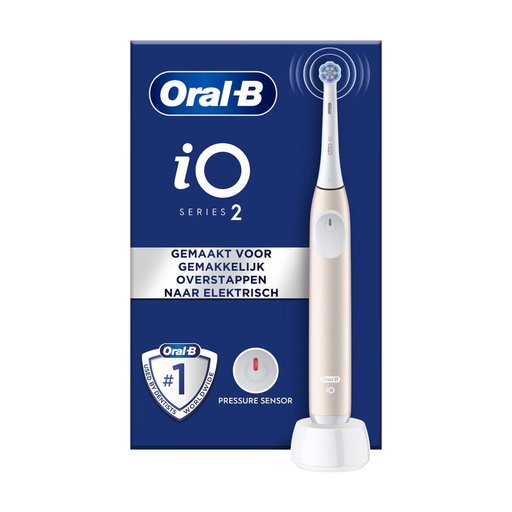
Why it suits this profile: This model has one button, three intensity levels and a timer. That keeps operation straightforward for anyone switching from a manual toothbrush.
You do not pay upfront for Bluetooth or extensive app features. According to the product information, the pressure sensor reduces the speed when too much pressure is applied and displays a red signal.
Three quiet intensity levels, a 30-second interval signal and one handle included.

Why it suits this profile: For users who want a comprehensive system with multiple modes, a display, Bluetooth and a travel case.
The additional features are clearly specified: seven brushing modes, an interactive display, app connectivity and a travel case with charging function. This lets you decide in advance whether you need them.
Pressure sensor with three feedback levels, seven modes and a travel charging case according to the product specifications.
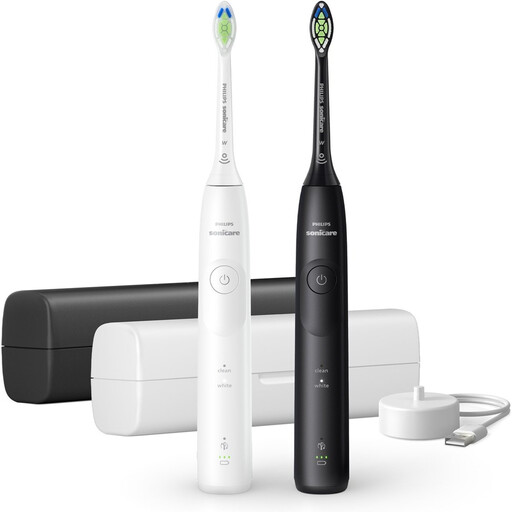
Why it suits this profile: A practical choice for couples or households that need two handles and want to use different brushing modes.
There is no need to buy two separate handles with individual accessories. The product specifications list two handles, two brush heads and two travel cases.
Sonic technology with 62,000 movements per minute, two modes and battery life of up to three weeks according to the product information.
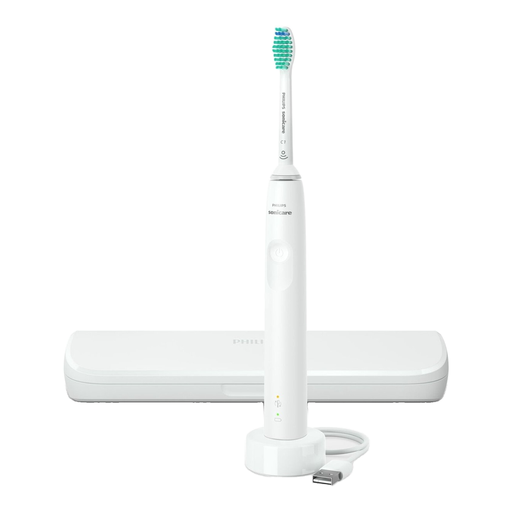
Why it suits this profile: The combination of a compact USB charging station, travel case and simple operation is ideal for weekend trips and everyday use.
The accessories and charging method are clearly listed. You will not discover afterwards that a travel charger or protective case is missing.
Pressure sensor, two-minute timer, 30-second interval signal and stated battery life of up to 14 days.
We have put together a complete, up-to-date list of products that fully meet these strict selection criteria and the applicable European safety regulations.
This depends on the battery, charging station, usage and maintenance. Battery capacity may decrease over time. Check the warranty terms and keep your proof of purchase. In the European Union, consumers are entitled to a minimum statutory legal guarantee of conformity lasting two years; additional terms may vary by manufacturer.
Besides the handle, you mainly pay for replacement brush heads. Use the brand’s recommended replacement frequency when calculating costs, and compare the price of individual brush heads with multipacks. As a result, a cheaper handle may be less cost-effective in the long term.
There is no single option that works for everyone. A rotating toothbrush usually uses a round head and mechanical movements. A sonic toothbrush works with rapid vibrations. Focus particularly on the brush head, pressure sensor, timer, noise level and battery, as well as how comfortable you find the device to use.
