
Vandaag of morgen in huis

Kwaliteit gegarandeerd

Welkomstaanbiedingen ontgrendelen: GRATIS bezorging | Tot 80% korting | Gratis 30 dagen JoyPlus-proefperiode
Download de app
An electric toothbrush can be a useful upgrade from manual brushing, but not every model suits every user. Marketing copy often focuses on high vibration counts, whitening modes or extremely long battery life. That does not automatically tell you anything about ease of use, durability or long-term costs.
If you are buying an electric toothbrush, it is therefore wise to focus on specifications you can verify. Look for features such as a timer, pressure protection, battery type, water resistance and the availability of suitable replacement brush heads.
A sonic toothbrush is often promoted with a high number of movements per minute. That is a technical specification, but it is not a guarantee of a better brushing routine. The way you move the brush head along your teeth and gums, the shape of the bristles and overall comfort are just as relevant.
So do not just check the number of movements. Also make sure the toothbrush feels comfortable in your hand and offers a suitable gentle or sensitive mode.
A rechargeable toothbrush with 60, 100 or 180 days of battery life sounds appealing. However, check the conditions under which this figure was measured. It may depend on the selected mode, intensity and brushing frequency.
Also consider the charging solution. A USB-C connection is practical at home and when travelling, but the port must be completely dry before you connect the cable. With a model that includes a charging station, it is important to check exactly what is included.
A waterproof electric toothbrush usually has an IP rating. In product information, IPX7 generally means protection during temporary immersion; IPX8 refers to a higher level of protection under the conditions specified by the manufacturer. The charging port, cable and charging base still require attention.
Do not use a toothbrush with the charger connected near water. Always follow the instructions and only connect a USB-C port once it is dry.
A toothbrush with a timer often gives a signal after 30 seconds to prompt you to move to another quadrant and stops or alerts you after two minutes. This helps distribute brushing time more evenly. A timer is particularly useful if you tend to brush quickly or often miss areas of your mouth.
Check whether the timer starts automatically, which signals are used and whether you can combine the function with different brushing modes.
A toothbrush with a pressure sensor warns you when you are pressing too hard. Some models automatically reduce the intensity, while others only provide a vibration, light signal or notification. This difference is important for people who are used to scrubbing their teeth firmly.
A sensitive mode and multiple intensity levels offer greater choice. However, they are not a substitute for personalised advice from a dentist or dental hygienist if irritation or other problems persist.
As well as comparing the stated battery life, also consider:
For an electric toothbrush for adults, a comfortable handle, a suitable brush head and straightforward controls are particularly practical. A model for everyday use does not automatically need to offer the greatest number of modes.
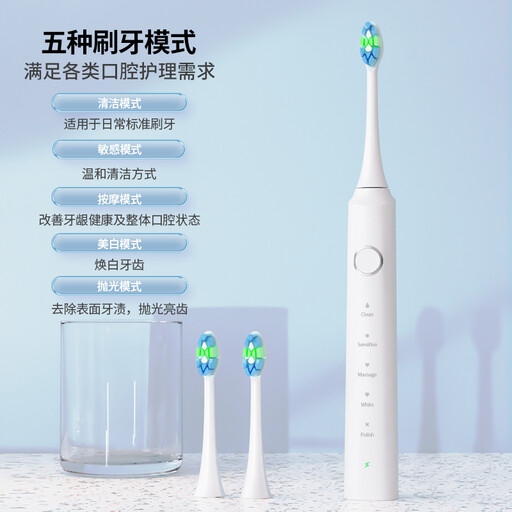
Why it suits this profile: This model combines five brushing modes with USB-C charging and a 2-minute timer. You get the essential features without immediately opting for a more advanced model with app connectivity.
The product information lists specific modes, a timer, 30-second reminders and an IPX7 rating rather than relying solely on general cleaning claims.
Five modes, USB-C charging, IPX7 water resistance and, according to the product description, up to 40 brushing sessions per charge.
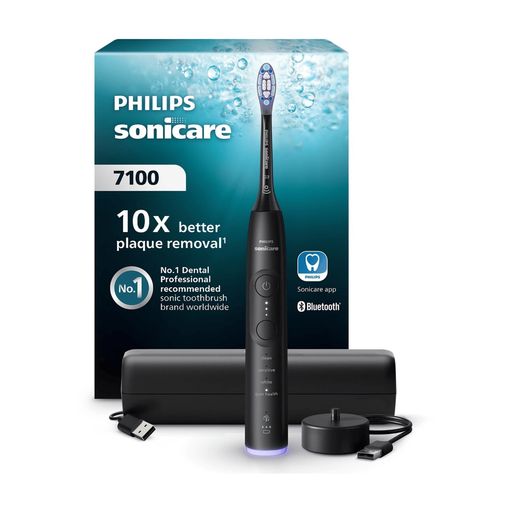
Why it suits this profile: Ideal for users who value adjustable guidance. The product information lists four brushing modes, three intensity levels, a pressure sensor and compatibility with the Sonicare app.
The pressure sensor alerts you when you apply too much pressure. The included travel case and replacement reminder make everyday and mobile use more straightforward.
Four modes, three intensity levels, pressure sensor, travel case and a speed of 62,000 movements per minute, as stated in the product specifications.
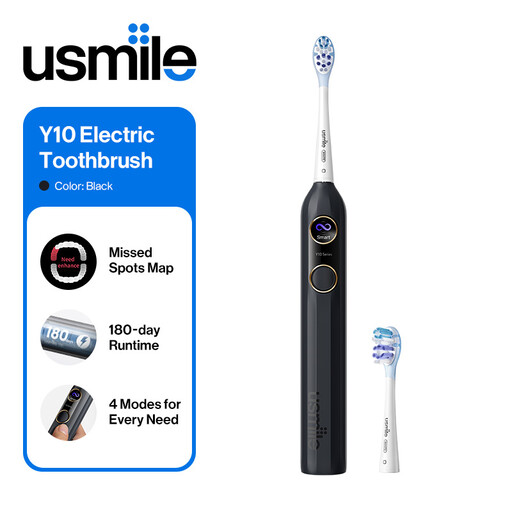
Why it suits this profile: The Y10 is aimed at users who want plenty of guidance and minimal charging. The product information lists four modes, a smart screen, pressure control, USB-C and a stated battery life of up to 180 days.
The battery claim is linked to a specific specification and USB-C connection. Before buying, however, check the latest instructions and charging conditions.
Four brushing modes, pressure control, smart screen, IPX7 rating and a stated battery life of up to six months.
We have put together a complete, up-to-date list of products that fully meet these strict selection criteria and the applicable European safety regulations.
Place the brush head against your teeth before switching on the toothbrush. Move it slowly along the outer surfaces, inner surfaces and chewing surfaces. With a sonic toothbrush, vigorous back-and-forth scrubbing is generally unnecessary. Clean the brush head after use and leave it to air-dry.
Replace the brush head according to the manufacturer's instructions. Many manufacturers recommend fitting a new brush head approximately every three months, or sooner if the bristles are visibly worn. Also check regularly that the handle, brush head and charging cable are undamaged.
A model with a whitening mode may be intended for surface stains, according to the product description. That does not make a toothbrush for whiter teeth a whitening treatment. If you have discolouration, pain or bleeding gums, consulting a dentist is wiser than selecting a more intensive brushing mode.
A sonic toothbrush is designed for daily oral care. Choose a gentle or sensitive mode if you find it more comfortable, and follow the usage instructions. A toothbrush does not replace a dental check-up.
Its lifespan depends on the battery, charging method, exposure to water and wear to the handle or motor. A stated battery life, such as 14, 60 or 180 days, describes how long the toothbrush can be used between charges, not automatically the total lifespan of the device.
In addition to the purchase price, you will pay for replacement brush heads and any accessories. So compare the price of compatible brush heads, the number supplied and the charging solution. A cheaper handle may prove less cost-effective over time if replacement heads are difficult to obtain.
