
Vandaag of morgen in huis

Kwaliteit gegarandeerd

Welkomstaanbiedingen ontgrendelen: GRATIS bezorging | Tot 80% korting | Gratis 30 dagen JoyPlus-proefperiode
Download de app
An electric toothbrush can make daily brushing easier, but not every model suits every user. A high vibration frequency, an impressive number of brushing modes or long battery life says little about ease of use on its own. Even inexpensive models can become inconvenient if replacement brush heads are difficult to find or the charger is unsuitable for your bathroom.
Joybuy Product Recommendation Officer therefore selects products based on verifiable features: brushing technology, timer, pressure sensor, battery, age recommendation, water resistance and accessory availability.
Brands often mention thousands of movements or vibrations per minute. This is a technical specification, not a guarantee of a cleaner result. Brushing technique and the way you use the brush are just as important. According to a brand’s own research, certain features may contribute to a better brushing experience, for example, but such claims should not be confused with a universally proven effect.
A sonic toothbrush generally moves the bristles rapidly back and forth. A rotating toothbrush usually uses a round brush head that oscillates or rotates. Above all, choose the technology that feels comfortable and allows you to move calmly across all tooth surfaces.
Pressing too hard can feel uncomfortable, especially if you have sensitive gums. An electric toothbrush with a pressure sensor therefore provides practical feedback. However, check how it works: through a light, vibration or automatic reduction in speed. Simply stating “pressure sensor” does not tell you exactly how you will be alerted.
A rechargeable toothbrush with long battery life is useful for holidays, but also check the charging method. A charging station takes up more space than a USB-C cable. Also check whether the casing is water-resistant and whether the charging port needs to be dry before you connect the cable.
A built-in toothbrush with a timer often gives an end signal after two minutes and sometimes a short alert every 30 seconds to tell you to move to another zone. This helps you maintain a consistent routine without having to watch the clock. It is particularly practical for children, as a timer makes brushing easier to follow.
The brush head should suit your teeth, mouth size and sensitivity. For children aged 3 and over, small heads with extra-soft bristles are particularly relevant. Check the recommended age and keep small parts out of the reach of young children.
Many manufacturers recommend replacing a brush head approximately every three months, or sooner if the bristles start to fray. So calculate the cost of replacement brush heads in advance. A reasonably priced handle may be less cost-effective in the long term if suitable heads are expensive or difficult to find.
Pay attention to the stated battery life and how it was measured. Actual usage time depends on the brushing mode and frequency of use. A USB-C connection is convenient for travellers, while a fixed charging station may be suitable for everyday use at home.
If you also want to clean between your teeth, a water flosser, oral irrigator or portable water flosser can be a useful addition. This does not replace brushing. Choose a model with multiple pressure settings if you want to build up gradually. A large reservoir is practical at home, while a compact reservoir and long battery life are more convenient when travelling.
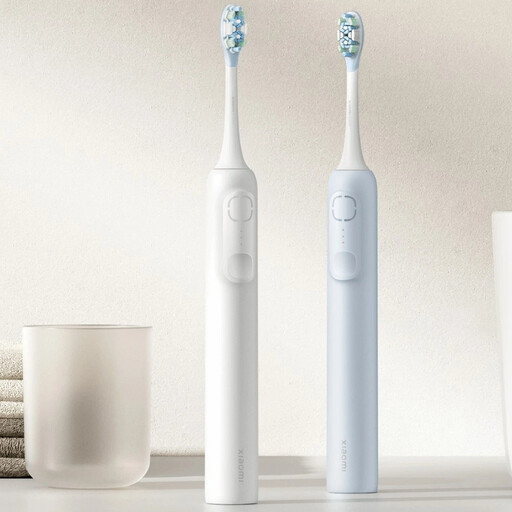
Why it suits this profile: A straightforward model for anyone looking for a rechargeable toothbrush without immediately needing lots of extra features. The USB-C connection works with chargers that many households already use.
The product information specifies a rechargeable battery and USB Type-C, so you know in advance which charging method you need. Before buying, check whether a timer and pressure sensor are essential for you.
Oscillating bristles, a blue finish and USB-C charging.
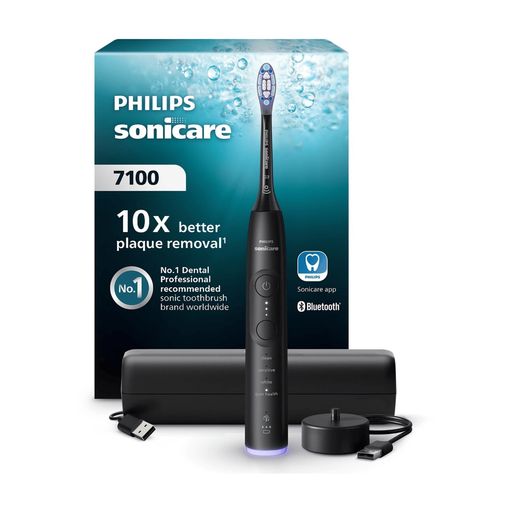
Why it suits this profile: For adults who value multiple settings, app support and a travel case.
The specifications list a pressure sensor, four brushing modes, three intensity levels and a replacement reminder for the brush head.
Sonic operation with, according to the product information, 62,000 movements per minute, plus an app and travel case.
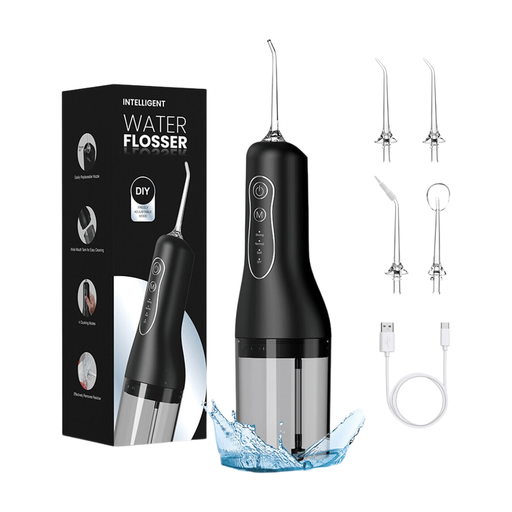
Why it suits this profile: A portable water flosser for travellers and users who want to clean between their teeth with water as well as brushing.
Four settings, including Soft and DIY, allow you to build up gradually. The tank is removable, making it easier to empty and clean.
260 ml tank, USB-C charging, three types of nozzle and, according to the product information, up to 50 days of battery life.
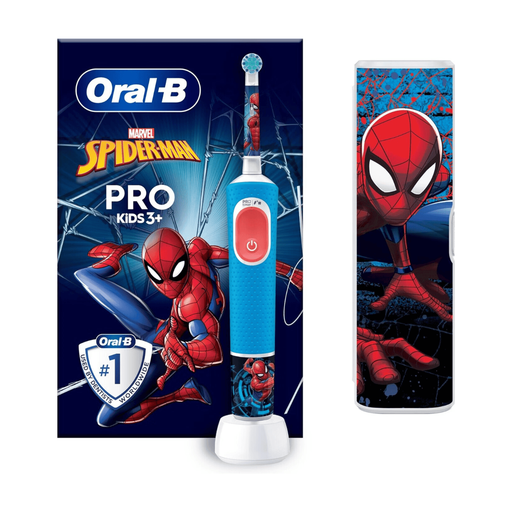
Why it suits this profile: Designed for children aged 3 and over, with a small Sensitive Clean head, extra-soft bristles and a recognisable design.
The product specifications mention a visible 360° pressure sensor and a timer with 30-second intervals. Adult supervision is still required.
Rechargeable battery, two-minute timer and, according to the product information, up to eight days of use per charge.
We have put together a complete, up-to-date list of products that fully meet these strict selection criteria and the applicable European safety regulations.
The handle and battery can last for several years with normal use, but the brush head wears out more quickly. Replace it according to the product instructions, usually about every three months or sooner if the bristles become frayed. Also check the charging cable, charging station and brush head regularly for damage.
In addition to the purchase price, you pay for electricity and replacement brush heads. Electricity consumption is generally a small part of the total cost. Therefore, compare the price and availability of suitable brush heads in particular. With an Oral-B electric toothbrush, you should also check which system you use, such as Kids or iO brush heads.
A water flosser can help rinse away food particles and debris from between your teeth and along the gumline, but it is not a replacement for brushing. Start on a low setting with a portable water flosser and follow the instructions for use. If you have persistent bleeding gums, pain or have recently had dental treatment, it is advisable to consult a dentist.
