
Vandaag of morgen in huis

Kwaliteit gegarandeerd

Welkomstaanbiedingen ontgrendelen: GRATIS bezorging | Tot 80% korting | Gratis 30 dagen JoyPlus-proefperiode
Download de app
An electric toothbrush can make brushing easier, but not every model suits every user. The differences are not limited to the brand or the number of brushing modes. The pressure sensor, timer, battery and availability of replacement brush heads also determine whether you can continue using the device comfortably and affordably.
Many buyers focus mainly on claims such as “up to three times more plaque removal” or a very high number of movements per minute. These figures come from the brand’s product communications and do not automatically guarantee the same results for every user. According to Philips’ own research, the Sonicare Series 3100 removes up to three times more plaque than a manual toothbrush. Oral-B makes similar comparisons for certain iO models. Treat this information as the manufacturer’s product specification, rather than personal health advice.
A sonic toothbrush with 31,000 or 62,000 movements per minute sounds powerful, but brushing results also depend on your brushing technique, the shape of the brush head and how long you spend on each area. A rotating model, such as several Oral-B iO toothbrushes, works differently from a Philips Sonicare sonic model.
So do not look at the figure alone. Also check whether the toothbrush has a timer, multiple intensity levels and a suitable brush head.
An electric toothbrush with long battery life is useful for travelling, but check how and with what the device is charged. A USB or USB-C connection can be practical when you are on the move. A fixed charging stand, meanwhile, is convenient for everyday use in the bathroom.
The stated battery life is usually based on a specific number of brushing sessions per day. More intensive use, a higher setting or an ageing battery can affect the actual runtime.
A waterproof electric toothbrush may withstand splashes, but the charging base and charging port often have different requirements. The Rushi R-C31, for example, is listed with an IPX7 rating. The manufacturer also warns that the Type-C port must be completely dry before you connect it.
Do not use a charging station next to a running tap, and never charge a handle when the connection is damp. Always check the manual for the specific model.
An electric toothbrush with a pressure sensor can indicate when you are pressing too hard. According to the product description, the Oral-B iO2 reduces its speed and displays a red signal when too much pressure is applied. On the Oral-B iO 3N, the sensor displays red, white or green depending on the pressure used.
On Philips Sonicare models, the sensor can provide a warning and automatically reduce the vibrations. This is particularly useful if you are used to brushing firmly with a manual toothbrush. A pressure sensor is not a substitute for advice from a dentist or dental hygienist.
A toothbrush with a timer helps you maintain the recommended two-minute brushing time. Many models also provide a signal every 30 seconds to prompt you to move to another area of your mouth. According to the product specifications, the Oral-B iO2 and Philips Sonicare Series 3100 offer these features.
A timer is a simple feature, but it prevents you from focusing mainly on your front teeth and finishing too quickly at the back.
Multiple modes are useful when different people or situations call for different settings. Options may include extra gentle, daily clean, sensitive or whitening. However, check how many modes you actually need. A model with five modes is not automatically more practical if you usually use just one setting.
Also consider the price and availability of compatible brush heads. Most manufacturers recommend replacing the brush head approximately every three months, or sooner if the bristles are worn.
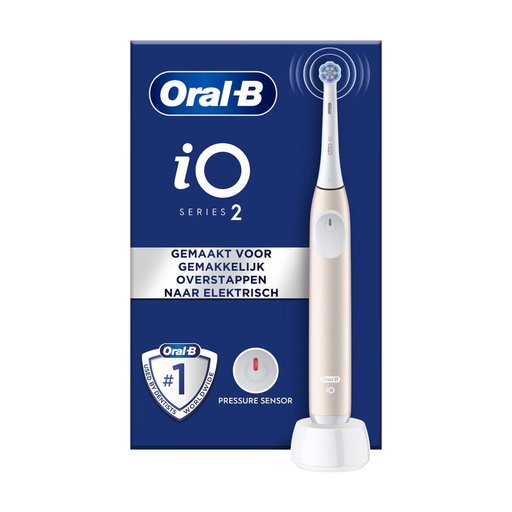
Why it suits this profile: This model has one button, three gentle intensity levels and a timer. That makes the switch from manual to electric brushing straightforward.
The pressure sensor warns you when you are brushing too hard and, according to the product description, reduces the speed. This means you do not have to rely on feel alone.
Three intensity levels, automatic pressure sensor and a 30-second zone reminder.
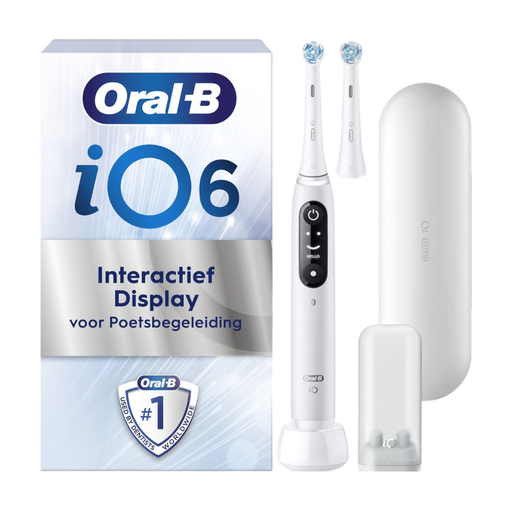
Why it suits this profile: The combination of five brushing modes, a display, pressure sensor, travel case and app support is ideal for users who want to customise their routine extensively.
Brushing time, battery status and the replacement reminder are shown on the display. This means the features are not limited to marketing claims.
Five modes, two brush heads included, travel case and a stated battery life of up to 14 days.
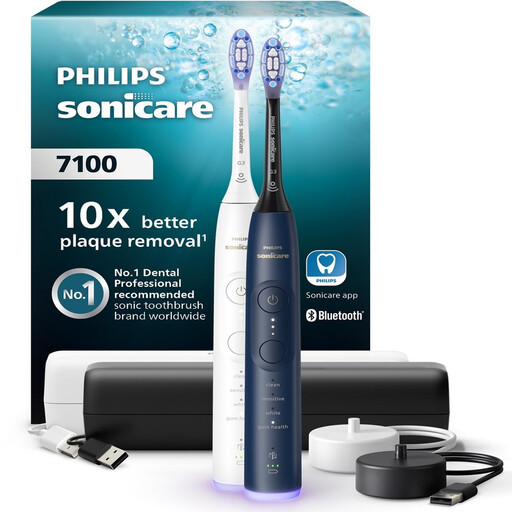
Why it suits this profile: Two handles, four modes, three intensity levels and a premium travel case make this duo ideal for households and frequent travellers.
The set includes two handles and two brush heads. However, check beforehand that the accessories and charging solution suit your needs.
Duo pack, four brushing modes, three intensity levels, pressure sensor, app compatibility and travel case.
A sonic toothbrush makes rapid vibrating movements across a relatively long brush head. An Oral-B model generally uses a round head with rotating and pulsating movements. Both systems require some adjustment. Place the brush gently against your teeth and move it slowly; there is no need to scrub hard from side to side.
For sensitive gums, a gentle setting and a reliable pressure sensor may be more important than an additional whitening or intensive mode. If bleeding, pain or irritation persists, it is advisable to consult a dentist.
In addition to the purchase price, you pay for replacement brush heads and electricity. The power consumption of a rechargeable toothbrush is generally low; the brush heads usually account for the recurring costs. Therefore, check:
Products sold in the European Union are covered by the statutory guarantee under the applicable consumer rules. A minimum of two years is stated for many of the models mentioned, but keep your proof of purchase and check the seller’s terms and conditions.
We have put together a complete, up-to-date list of products that fully meet these strict selection criteria and the applicable European safety regulations.
Its lifespan depends on the battery, charging components, brush head and how it is used. Replace the brush head according to the product manual, usually approximately every three months. Clean the handle and allow charging ports to dry before charging again.
Choose a model with a gentle or sensitive mode and a pressure sensor. You may wish to start at a lower intensity. If sensitivity or pain persists, only a dentist can assess the cause.
Annual costs mainly consist of replacement brush heads. Charging costs are usually limited, but vary by model and usage. So do not compare only the price of the handle; also consider the price and availability of suitable brush heads.
