
Vandaag of morgen in huis

Kwaliteit gegarandeerd

Welkomstaanbiedingen ontgrendelen: GRATIS bezorging | Tot 80% korting | Gratis 30 dagen JoyPlus-proefperiode
Download de app
An electric toothbrush can make brushing easier, but not every model suits every user. A high price does not automatically mean you need all the available features. Terms such as “sonic”, “3D cleaning” and “professional clean” also mean little when important details are missing.
So pay particular attention to the technology, the available brush heads and how you plan to use the toothbrush every day. Below, you’ll find what to look out for as an adult, parent or frequent traveller.
A toothbrush with five modes sounds comprehensive, but first check whether it has a toothbrush with a pressure sensor and a clear timer. Without a pressure warning, users may still brush too hard. A timer that simply switches off after two minutes also provides less guidance than a model that signals every 30 seconds to change brushing zone.
“Long battery life” is not always very specific. Check how many days or minutes of use the manufacturer states, what type of battery is used and how long charging takes. A rechargeable toothbrush with a charging station is practical for everyday use, while a model with a USB-C connection can be convenient when travelling.
Bear in mind that intensity, brushing frequency and battery age affect the actual usage time.
The handle is only part of the overall cost. Before buying, check which replacement brush heads are compatible, how many are included in a pack and whether they are easy to obtain. For example, Oral-B Kids brush heads fit Oral-B Kids handles, but not automatically all other Oral-B models. Oral-B iO also uses its own type of brush head.
Replace the brush head according to the product information, usually after around three months or sooner if the bristles have worn down.
A rotating toothbrush uses a small, round brush head that rotates or oscillates. This type usually requires you to move it calmly from tooth to tooth. According to the product specifications, Oral-B models, including the Vitality Pro and iO series, use a round head with rotating, oscillating or pulsating movements.
A sonic toothbrush uses rapid vibrations. For example, the Philips Sonicare 7100 Series states 62,000 brush movements per minute. Rushi R-C31 states 40,000 vibrations per minute. Figures like these can only be compared reliably within the same technical category; more movements do not automatically mean that a model is better suited to your brushing style.
A pressure sensor warns you when you are applying too much force. On the Oral-B Vitality Pro Kids Spider-Man, this is indicated by a visible light. According to the product description, the Philips Sonicare 7100 provides a warning when too much pressure is applied. The Oral-B iO 2 uses a light signal to indicate brushing pressure.
For sensitive gums, a low intensity or sensitive brushing mode is often practical. This is not a substitute for advice from a dentist or dental hygienist. If irritation, pain or bleeding gums persist, seeking professional advice is wiser than simply choosing a different mode.
A toothbrush with a timer helps you distribute brushing time evenly. Many models give a signal every 30 seconds and stop or notify you after two minutes. This can be found on various Oral-B models, Philips Sonicare and Rushi R-C31.
For households that travel frequently, a travel case, USB-C charging or long battery life can be useful features. However, always check whether a travel case is actually included. The Philips Sonicare 7100 HX7421/01 lists a travel case; the HX7429/02 duo pack mentions two handles, two brush heads and a travel case.
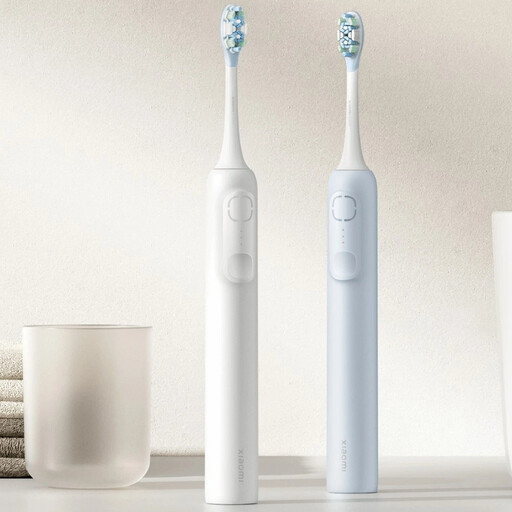
Why it suits this profile: A simple rechargeable toothbrush for anyone who wants to try electric brushing without lots of extra features.
The product information lists a rechargeable battery and USB-C connection. However, check which brush head and charging accessories are included before buying.
Oscillating movements, rechargeable battery and USB-C charging.
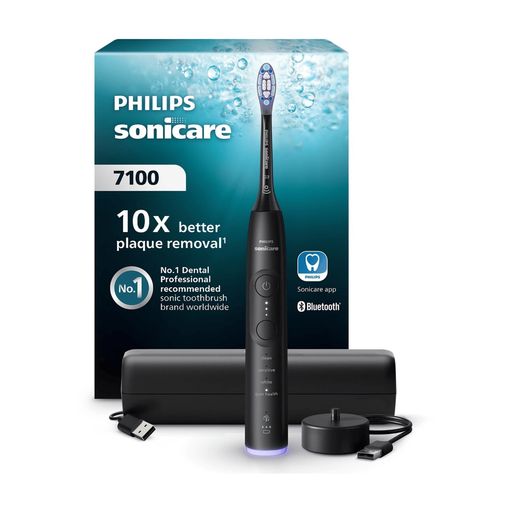
Why it suits this profile: For adults who want to combine multiple settings, a pressure sensor, a travel case and app support.
The product specifications list four brushing modes, three intensity levels, a pressure sensor and BrushSync for replacement reminders.
62,000 movements per minute according to Philips, four modes, three intensity levels and a travel case.
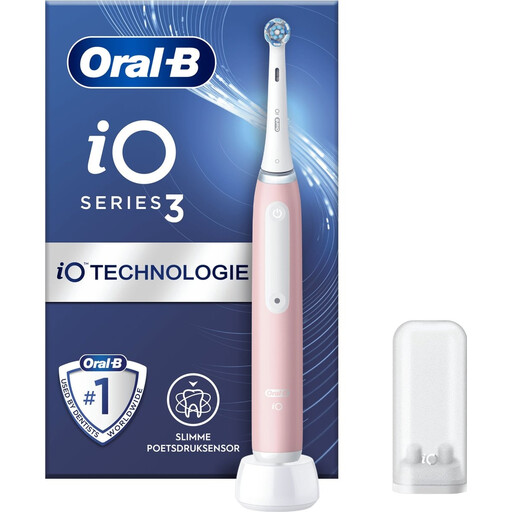
Why it suits this profile: For users who value guidance, multiple modes and longer battery life.
The handle has a pressure sensor with red, white and green lights, a timer and a brush-head replacement reminder.
Three brushing modes, magnetic charger and up to 14 days of battery life according to Oral-B.
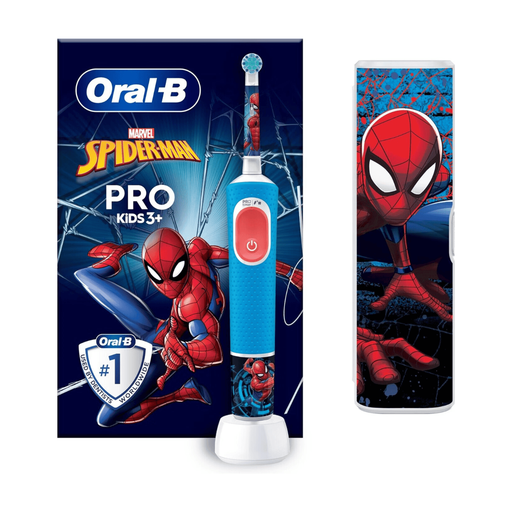
Why it suits this profile: An electric children’s toothbrush for children aged 3 and over, with a small brush head, extra-soft bristles and a recognisable design.
The product specifications list a 2-minute timer with signals every 30 seconds, a visible pressure sensor and a Sensitive Clean head.
Up to eight days of battery life according to the product information, extra-soft bristles and four interchangeable stickers.
We’ve put together a complete, up-to-date list of products that fully meet these strict selection criteria and the applicable European safety regulations.
This varies by model, battery and maintenance. With normal use, the handle can last for several years, but the brush head needs replacing much sooner. Check the battery life regularly: a noticeable drop can indicate that the battery is ageing.
As well as the purchase price, you mainly pay for replacement brush heads and electricity. Charging generally costs very little; the brush heads usually account for most of the ongoing costs. So compare the price per head and compatibility before placing your order.
According to the manufacturer, some models are suitable from the age of 3, such as the Oral-B Vitality Pro Kids Spider-Man. Always use a suitable small brush head, choose a gentle mode and supervise brushing. If in doubt, consult the product manual or your dentist.
