
Vandaag of morgen in huis

Kwaliteit gegarandeerd

Welkomstaanbiedingen ontgrendelen: GRATIS bezorging | Tot 80% korting | Gratis 30 dagen JoyPlus-proefperiode
Download de app
An electric toothbrush can help you stick to a regular brushing routine, but not every model suits every user. Marketing often focuses on high movement rates, smart apps and eye-catching modes. These features are not automatically useful for your situation.
Pay particular attention to three common pitfalls:
There are broadly two types:
Do not focus only on terms such as “3D” or “ultrasonic”. Also check whether a suitable brush head is included, how soft the bristles are and whether replacement heads are available. A gentle mode is useful for sensitive teeth or gums, but discuss any symptoms or ongoing sensitivity with a dentist.
A toothbrush with a timer usually gives a signal after two minutes. Some models divide this time into four 30-second intervals. This helps you avoid brushing only the front of your teeth.
A toothbrush with a pressure sensor warns you when you are pressing too hard. According to the product description, the Oral-B iO 3N provides feedback on brushing pressure using different colours. According to the manufacturer, the Philips Sonicare 7100 Series uses a warning via the handle. These features are helpful tools; they do not replace a gentle brushing technique.
A rechargeable toothbrush is convenient for everyday use and travelling. Compare the stated battery life, but bear in mind that actual usage time depends on how often you brush and the intensity you select.
According to the product specification, the Rushi R-C31 has an IPX7 rating, a Type-C connection and a two-minute timer. The Lachen T8 is listed with IPX7 and a long stated battery life. With both models, the connection must be dry before you plug in a cable. Do not use a damaged handle, brush head or charging station.
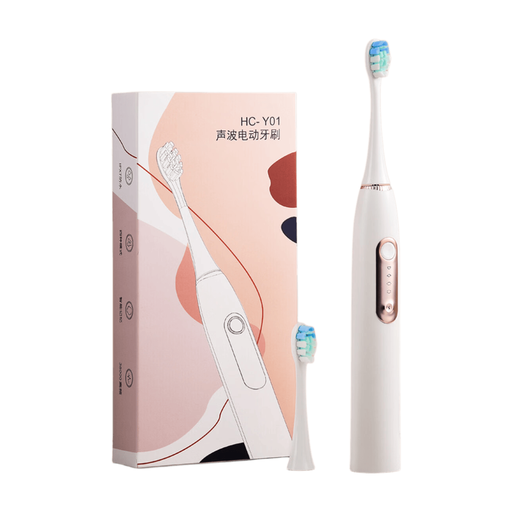
Why it suits this profile: This model combines sonic technology with Type-C charging and a simple timer. It is a good choice for anyone switching from a manual toothbrush without wanting lots of extra features.
The product specification states that it has a two-minute timer with signals every 30 seconds and IPX7 water resistance. Make sure the Type-C port is dry before charging.
Stated 40,000 movements per minute, Type-C charging and a stated IPX7 rating.
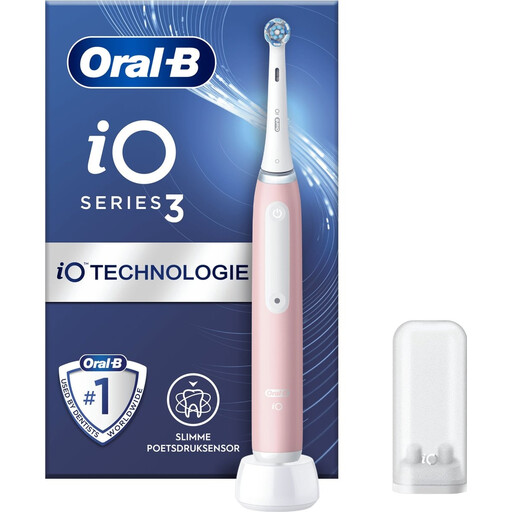
Why it suits this profile: Ideal for adults who value feedback, several modes and a longer stated battery life.
The product specification lists a pressure sensor, two-minute timer and three modes. This makes practical usage feedback more important than broad marketing claims.
Three brushing modes, interactive feedback, pressure sensor and a stated battery life of up to 14 days.
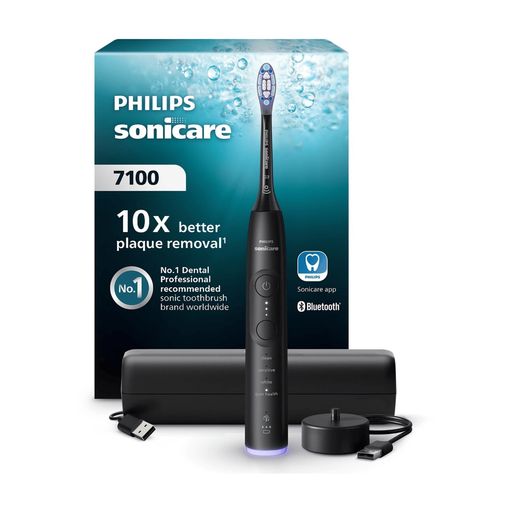
Why it suits this profile: This Philips Sonicare toothbrush is designed for adults who want to combine several intensity levels, an app and a travel case.
The product specification lists four modes, three intensity levels, a pressure sensor and a replacement reminder. This allows you to choose features based on your needs rather than focusing solely on vibration speed.
Stated 62,000 movements per minute, four brushing modes, three intensity levels and a travel case.
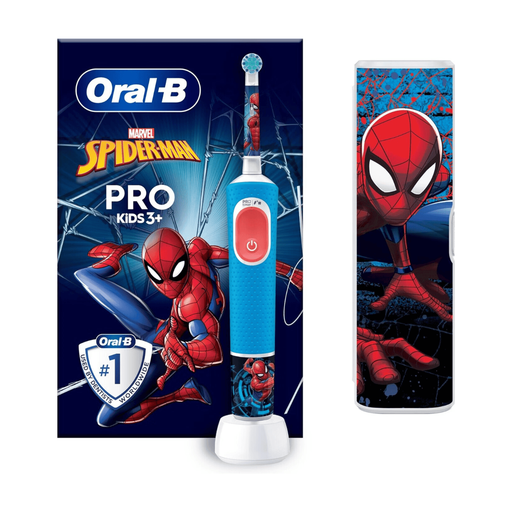
Why it suits this profile: According to the product information, this electric toothbrush for children is suitable from the age of 3 and has a small brush head with extra-soft bristles.
The age guidance, extra-soft Sensitive Clean head, visible pressure sensor and two-minute timer are all clearly specified. Adult supervision is still required during use.
Suitable from 3 years, two-minute timer with intervals, pressure sensor and a stated battery life of up to 8 days.
We have put together a complete, up-to-date list of products that fully meet these strict selection criteria and the applicable European safety regulations.
This mainly depends on the price and availability of replacement brush heads. So do not compare only the purchase price; also consider the cost over three months. Longer battery life mainly reduces the number of charging sessions and does not automatically lower the total cost of use.
Lifespan varies by brand, model and maintenance. Regularly check the handle, charging cable and brush head for damage. The statutory guarantee in the EU is at least two years for the products mentioned; additional rights may apply under the relevant national rules.
Choose a model with clear age guidance, soft bristles, a small brush head and a timer. According to the product information, the Oral-B Vitality Pro Kids - Spider-Man is suitable from the age of 3. For children aged 6 and over, the Oral-B iO Kids 6+ with three brushing modes is one example. Supervise children while they brush and keep loose brush heads out of reach of young children.
