
Vandaag of morgen in huis

Kwaliteit gegarandeerd

Welkomstaanbiedingen ontgrendelen: GRATIS bezorging | Tot 80% korting | Gratis 30 dagen JoyPlus-proefperiode
Download de app
An electric toothbrush can make your oral care routine easier, but a higher price does not automatically mean you are making the right choice. Some models offer numerous brushing modes that you will hardly use, while others lack important features. With a water flosser or oral irrigator, pressure, reservoir size and maintenance also have a major impact on ease of use.
Pay particular attention to these common pitfalls:
A toothbrush with a pressure sensor alerts you when you are pressing too hard. Some models automatically reduce the intensity, while others provide a light or vibration signal. This does not make the feature medical, but it can help you brush more mindfully.
A toothbrush with a timer usually works with a total brushing time of two minutes and signals every 30 seconds. The Philips Sonicare Series 3100 has a Smartimer and QuadPacer. The Oral-B iO Series 2 also uses a timer with 30-second intervals. Check whether the timer stops automatically or simply provides a signal.
A sonic toothbrush uses rapid vibrating movements. A rotating model, such as some Oral-B systems, uses a round brush head with a rotating or pulsing motion. Neither system is automatically suitable for everyone.
For adults with sensitive gums, a gentle mode is useful. Also check the availability of soft brush heads. An intensive mode is not essential for everyday use and may feel uncomfortable if you apply too much pressure.
A rechargeable toothbrush is convenient if you do not want to keep replacing batteries. Pay attention to the difference between the stated battery life and the actual usage time per brushing session. A model with a USB charger can be practical at work or when staying away from home.
An electric toothbrush with a travel case protects the brush head and keeps accessories together. However, check that the case is actually included. With a twin pack, for example, you may have to share one travel case.
With a water flosser, water resistance, tank capacity and the charging port are also important. An IPX rating refers to protection against water under the stated test conditions. The charging port must be dry before you connect a cable.
An electric toothbrush replaces a manual toothbrush in your daily brushing routine. A water flosser or oral irrigator directs a jet of water between the teeth and along the gumline. This is an additional form of oral care, not a reason to brush less thoroughly.
Choose a toothbrush if you mainly want to support your brushing routine with a timer, pressure sensor or different modes. A water flosser is a better fit if you value cleaning between the teeth, a portable design or multiple nozzles. If you have sensitive gums, always check that a gentle pressure setting is available. In the event of persistent irritation, bleeding or discomfort, it is advisable to consult a dentist or dental hygienist.
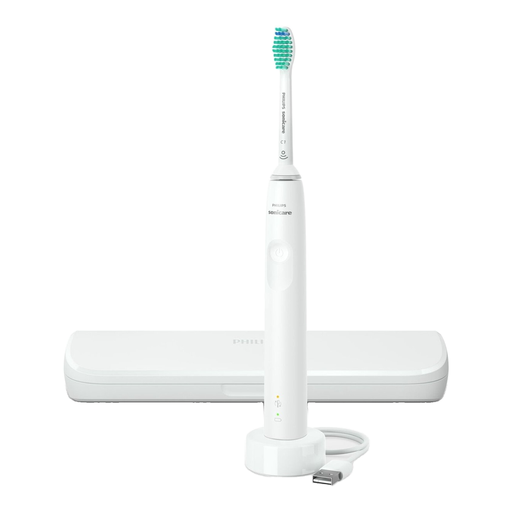
Why it suits this profile: A straightforward model for anyone switching from a manual toothbrush and mainly looking for a timer, pressure sensor and simple operation.
The key everyday features are clearly specified: a pressure sensor, Smartimer and QuadPacer. This means you are not paying solely for a long list of modes.
31,000 movements per minute according to the product specifications, battery life of up to 14 days and a compact USB charging solution.
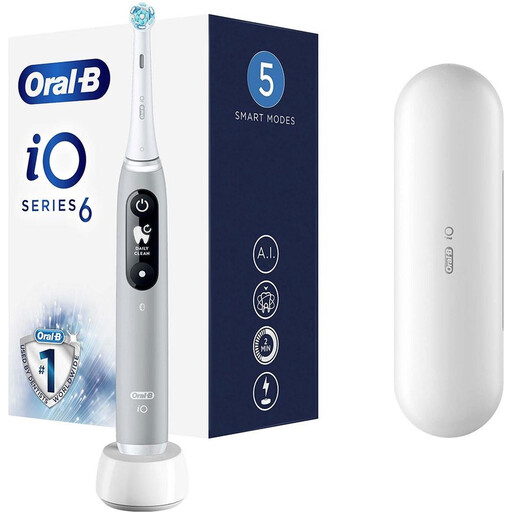
Why it suits this profile: Suitable for adults who want to combine multiple brushing programmes, a memory function and a visible pressure indicator.
According to the product specifications, pressure is indicated with lights and vibrations. This makes it easier not to focus solely on speed or the number of movements.
Five brushing modes, a timer every 30 seconds, a charging station and 60 minutes of battery life according to the product information.
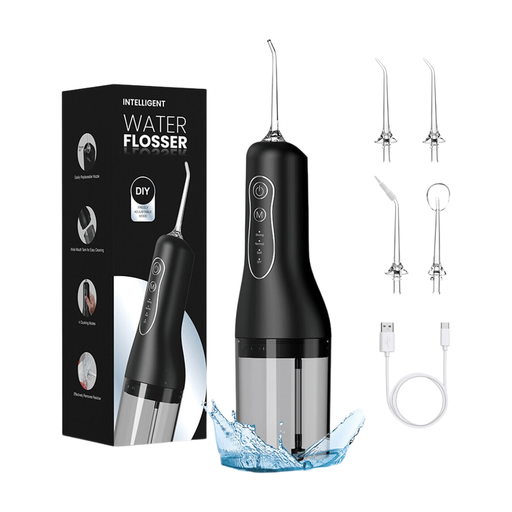
Why it suits this profile: A portable oral irrigator for anyone who wants to add cleaning between the teeth to their daily routine or take it travelling.
The separate 260 ml tank, four modes and soft mode make the choice more concrete than simply relying on a claim about high water pressure. According to the usage information, start with the gentle mode.
Pressure range of 60–140 PSI, four modes, USB-C charging and a stated battery life of up to 50 days.
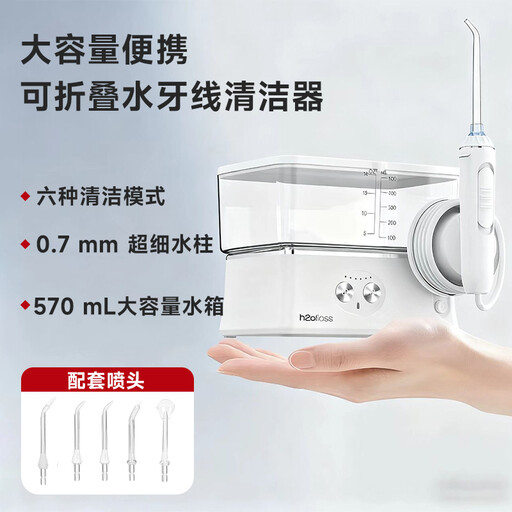
Why it suits this profile: An option for users who consider multiple nozzles and a larger reservoir more important than the smallest possible travel format.
The product specifications list six modes, five spray nozzles and a reservoir of approximately 500 ml. This allows you to assess in advance whether its size will suit your bathroom.
6 modes, 5 spray nozzles, a 2500 mAh battery and IPX7 water resistance according to the product information.
Replace brush heads generally according to the instructions on the packaging or when the bristles show visible signs of wear. Many manufacturers recommend approximately three months, but usage and wear vary from person to person. Rinse the brush head after use and leave it to dry.
With a water flosser, it is advisable to empty the tank after every session. Clean the tank and nozzles regularly to reduce limescale and residue. Do not use hot or boiling water. Also check the price of replacement nozzles before placing your order.
We have put together a complete, up-to-date list of products that fully meet these strict selection criteria and the applicable European safety regulations.
Its lifespan depends on the battery, motor, charging accessories and availability of replacement brush heads. The statutory guarantee in the EU is separate from wear-and-tear components. Keep your proof of purchase and check the warranty conditions for the specific model.
In addition to the purchase price, you pay for replacement brush heads and electricity. The electricity consumption of a rechargeable toothbrush is generally a small part of the total cost. So focus mainly on the price and availability of the correct brush heads.
A water flosser can be an additional step for cleaning between the teeth. It does not replace an electric toothbrush. Choose a model with a gentle setting if you are still getting used to water pressure, and stop if discomfort persists.
