
Vandaag of morgen in huis

Kwaliteit gegarandeerd

Welkomstaanbiedingen ontgrendelen: GRATIS bezorging | Tot 80% korting | Gratis 30 dagen JoyPlus-proefperiode
Download de app
An electric toothbrush can be a useful addition to your daily oral care routine, but the range varies considerably. A high brushing frequency, an app or a whitening brush head may sound appealing, but that does not automatically mean a model is right for the way you use it. Focus on the features you will use every day: pressure control, timer, battery life, brush heads and accessories.
Brands often highlight a high number of brushing movements. This is a verifiable technical specification, but it does not tell you everything about ease of use. A powerful sonic electric toothbrush may feel uncomfortable if you are sensitive to vibrations or tend to press too hard.
According to Philips’ own research, certain Sonicare models can remove more plaque or discolouration than a manual toothbrush. Treat such percentages as a brand claim based on specific test conditions, rather than a guaranteed result for every user.
An electric toothbrush with a pressure sensor can warn you when you are pressing too hard. On some models, this happens via a light, vibration or a temporary adjustment to the brushing intensity. The sensor helps you monitor your brushing habits, but it does not replace a gentle brushing technique.
Also check that the sensor is actually listed in the product specifications. Cheaper models sometimes focus mainly on gentle settings without having a genuine pressure sensor.
The handle is only part of the total cost. Check in advance:
For example, the Oral-B iO brush heads in the range are designed for Oral-B iO handles. They do not automatically fit other Oral-B series.
An electric toothbrush with multiple brushing modes is particularly useful if you want to adjust the intensity regularly. For example:
More modes do not necessarily mean a better purchase. If you usually use one comfortable setting, a simpler model may be more practical.
An electric toothbrush with a timer helps you brush for around two minutes. Many models also give a signal every 30 seconds, prompting you to move to another part of your mouth. This makes your brushing routine easier to follow and helps prevent you from missing an area.
Pay attention to the difference between a timer that simply counts down and one that also stops automatically. Check this on the product page.
A rechargeable toothbrush with long battery life is useful if you travel frequently or do not want to leave the charger on the bathroom counter. The stated usage time may depend on brushing time, intensity and charge level.
An electric toothbrush with a travel case is suitable for work, holidays and weekend trips. Allow the brush head to dry before storing it in the case. Also check whether the case holds both the handle and charger; this varies by bundle.
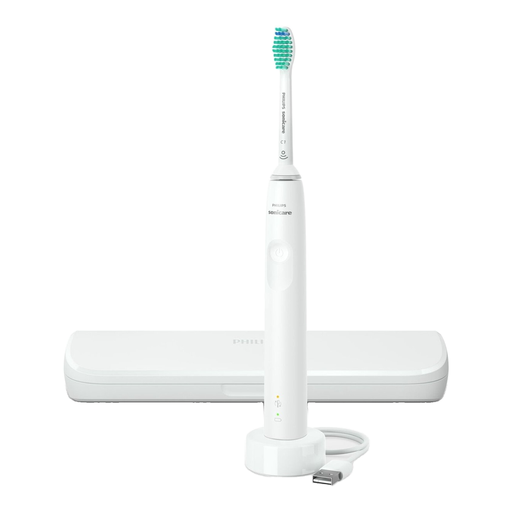
Why it suits this profile: A straightforward model for adults looking for a sonic electric toothbrush with practical core features.
The product specifications list a pressure sensor, a 2-minute timer and a QuadPacer. This means you are not paying solely for a marketing feature without practical guidance.
31,000 brushing movements per minute, up to 14 days of battery life, USB charging station and BrushSync replacement reminder.
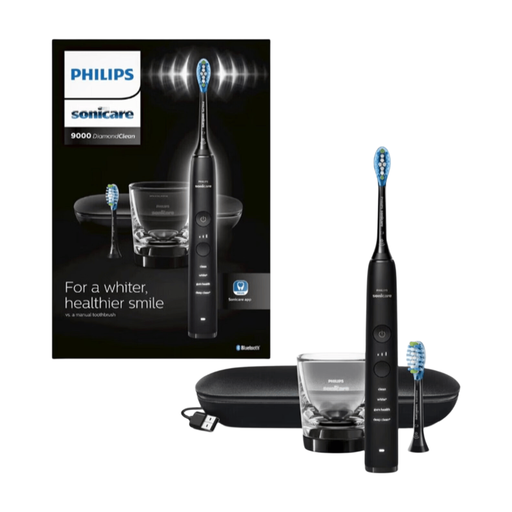
Why it suits this profile: For anyone who values multiple brushing programmes, Bluetooth and a charging glass in an electric toothbrush for adults.
The pressure sensor, timer and replacement reminder are clearly listed. The app is an additional aid, not a requirement for using the toothbrush.
Four brushing modes, 62,000 stated brushing movements per minute, Bluetooth, two brush heads, charging station and travel case.
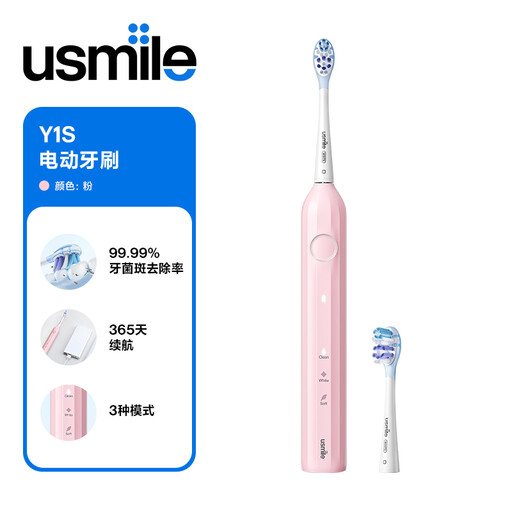
Why it suits this profile: Designed for travellers and users who want to combine different modes with long usage between charges.
The included hard travel case and USB-C cable make the accessories clearer than on models where only the handle is shown.
Three modes, 30-second interval and 2-minute timer, USB-C charging and, according to the product description, up to 180 days of battery life.
We have compiled a complete, up-to-date list of products that fully meet these strict selection criteria and the applicable European safety regulations.
Its lifespan depends on the battery, charging habits, exposure to moisture and maintenance. Replace the brush head according to the product instructions, usually after around three months or sooner if the bristles are damaged. A worn brush head can negatively affect your brushing experience.
It can be, provided the model has a soft brush head, Sensitive mode and pressure sensor. Start at a low intensity and do not press the brush hard against your teeth. If sensitivity or irritation persists, it is advisable to consult a dentist.
In addition to the purchase price, you pay for replacement brush heads and a small amount of electricity to charge it. Ongoing costs are mainly determined by the brand, compatibility and number of brush heads per pack. Therefore, check the price of suitable replacement brush heads before ordering.
