
Vandaag of morgen in huis

Kwaliteit gegarandeerd

Welkomstaanbiedingen ontgrendelen: GRATIS bezorging | Tot 80% korting | Gratis 30 dagen JoyPlus-proefperiode
Download de app
An electric toothbrush can help you brush more regularly and for longer, but not every model suits every user. A high brushing frequency, smart app or large number of settings says little on its own about everyday convenience. The cost of replacement brush heads, charging method and how the pressure sensor works are often overlooked.
Brands sometimes compare their products with manual toothbrushes or promise visibly whiter results. Such claims do not automatically apply to every user. According to Oral-B’s own research, for example, some iO models provide a certain improvement in plaque removal or gum care compared with manual brushing. Treat this as a brand claim, not as a guaranteed personal result.
For whiter teeth, it is important to distinguish between removing surface stains and changing the natural colour of your teeth. A toothbrush for whiter teeth can mainly help clean away surface discolouration. For persistent discolouration or sensitivity, it is wiser to consult a dentist.
A rechargeable toothbrush with a long battery life is useful on holiday, but also check how it charges. A charging station is practical at home, while USB-C is appealing if you want to use the same cable as you do for other devices when travelling. With water-resistant models, also check whether the charging port must be completely dry before you connect the cable.
An electric toothbrush with multiple brushing modes can be useful for sensitive gums, everyday cleaning or surface stains. However, two or three well-chosen modes are enough for many adults. Pay particular attention to whether it has a toothbrush with a timer and an electric toothbrush with a pressure sensor. For everyday use, these features often offer more practical value than a long list of programmes.
A rotating toothbrush usually uses a round brush head that oscillates or rotates. According to the product descriptions, Oral-B iO models combine a round brush head with micro-vibrations and 3D magnetic drive technology.
A sonic toothbrush, such as a Philips Sonicare electric toothbrush, moves its bristles at a high frequency. The Philips Sonicare 5500, for example, states that it delivers 62,000 movements per minute. Rushi R-C31 models state 40,000 vibrations per minute. These figures are only meaningful within the relevant brushing method; more movements per minute do not automatically mean that a model is more suitable for everyone.
A pressure sensor warns you when you are brushing too hard. On some models, this happens through a light, vibration or automatic reduction in speed. This is particularly relevant if you have sensitive gums or are used to applying a lot of pressure.
A timer often divides the recommended brushing time into four 30-second intervals. This gives you a signal to move to a different zone. Check whether the timer only indicates the total brushing time or also provides interim signals.
Consider these points before placing your order:
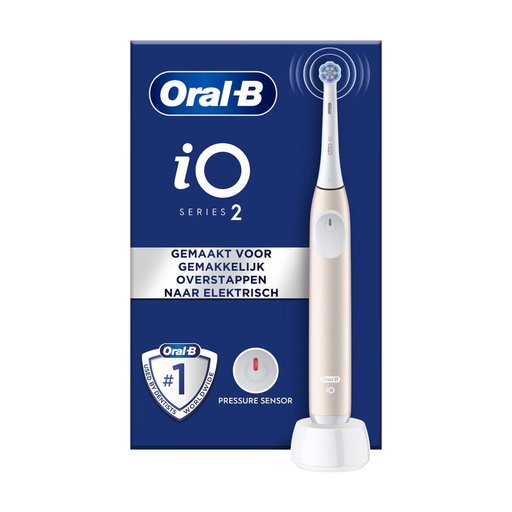
Why it suits this profile: It is operated using a single button and offers three gentle intensity levels. This makes switching from a manual toothbrush straightforward.
The three modes help ensure you do not pay for features you do not need. The product description also mentions a pressure sensor and an alert when you brush too hard.
Three intensity levels, a timer with signals after 30 seconds and a minimum two-year statutory guarantee in the EU.
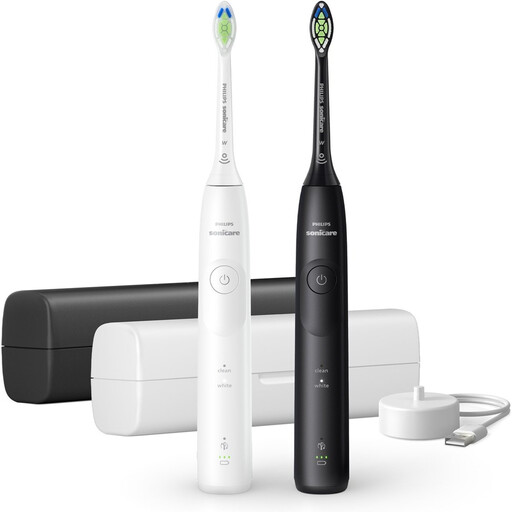
Why it suits this profile: This twin pack contains two handles, two brush heads, two travel cases and a charging solution. It is therefore well suited to couples or households with two users.
The specifications list a pressure sensor, a timer and BrushSync for replacement reminders. This means you are less likely to have to keep track of important maintenance yourself.
Two brushing modes, 62,000 movements per minute according to the product specification and up to three weeks of battery life according to the product description.
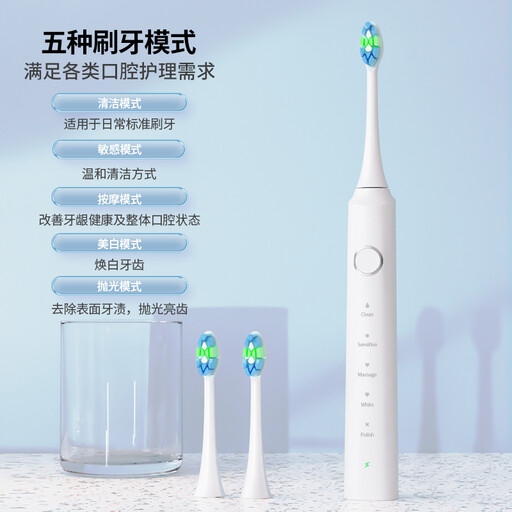
Why it suits this profile: The five modes are designed for everyday cleaning, sensitive brushing, massage, whitening and polishing. USB-C charging and a stated usage time of 40 brushing sessions are practical for travel.
The choice of modes is linked to recognisable use cases. The IPX7 rating and USB-C connection are clearly stated in the product information, rather than being presented only as a general claim about convenience.
Five brushing modes, a two-minute timer with 30-second reminders and low-copper bristles with rounded tips according to the product description.
We have compiled a complete, up-to-date list of products that fully meet these strict selection criteria and the applicable European safety regulations.
Its lifespan depends on the battery, charging station, motor and maintenance. Replace the brush head according to the product instructions, usually approximately every three months. Regularly check the handle and charger for cracks or damage. Do not use a damaged device.
Choose a model with a gentle or sensitive mode and preferably a pressure sensor. Start at a low intensity and use minimal pressure. Persistent irritation or excessive bleeding requires advice from a dentist; a device is not a substitute for professional assessment.
In addition to the purchase price, you pay for brush heads and possibly a new charger. Divide the price of a pack of brush heads by the number of months they last, then add this to the annual cost. A model with lots of features is therefore not always better value than a simpler rechargeable toothbrush.
