
Vandaag of morgen in huis

Kwaliteit gegarandeerd

Welkomstaanbiedingen ontgrendelen: GRATIS bezorging | Tot 80% korting | Gratis 30 dagen JoyPlus-proefperiode
Download de app
An electric toothbrush can make your brushing routine more consistent, but not every offer will suit the way you use it. A high number of brushing movements, an app or long battery life says little about day-to-day convenience on its own. Focus instead on features you will actually use, the availability of replacement brush heads and the safety information provided.
Brands often quote tens of thousands of movements per minute. This is a verifiable product specification, but it does not guarantee a cleaner result for every user. Brushing technique, using the right amount of pressure and replacing the brush head on time are still important. According to Philips’ own research, some Sonicare models are listed as offering up to 62,000 movements per minute; treat this as a technical feature, not an automatic result.
“Up to” a certain number of days usually means use under specific conditions. Actual battery life depends on brushing time, intensity and charge level. So also check the type of charger, charging time and whether a charging station or travel case is included.
A toothbrush with several brushing modes can be useful if you switch between everyday cleaning and a gentler setting. For many users, however, one to three modes are enough. More programmes can increase the price and make the controls more complicated without offering any practical benefit.
An electric toothbrush with a pressure sensor warns you when you press too hard. According to the product description, the Oral-B iO2 reduces its speed and displays a red signal when too much pressure is applied. Other models use vibration, light or a combination of the two. The sensor helps you brush more consciously, but it does not replace a suitable brush head or personalised advice from a dentist.
An electric toothbrush with a timer often gives a signal every 30 seconds to prompt you to move to another zone. After four zones, you reach two minutes. This makes it easier to maintain the recommended brushing time, particularly for children and people who tend to finish quickly.
Before buying, check which brush heads are compatible and how much replacements cost. Manufacturers often recommend replacing them roughly every three months, or sooner if the bristles become worn. For an electric toothbrush for sensitive gums, an extra-soft brush head and a low intensity are more important than a large number of programmes. Persistent or heavy bleeding from the gums calls for advice from a dentist; a product claim is not a medical assessment.
A rechargeable toothbrush is practical if you do not want to buy loose batteries. Look at the stated usage time, but also at the charging time. For example, the Oral-B iO6 models list a battery life of 60 minutes and a charging time of 12 hours in the product information. The Rushi R-C32 uses USB-C and is listed as offering up to 40 brushing sessions per charge.
An IPX rating provides information about protection against water according to the product specifications. This does not mean you can hold the charger under the tap. Allow charging ports to dry completely and do not use a damaged handle or cable.
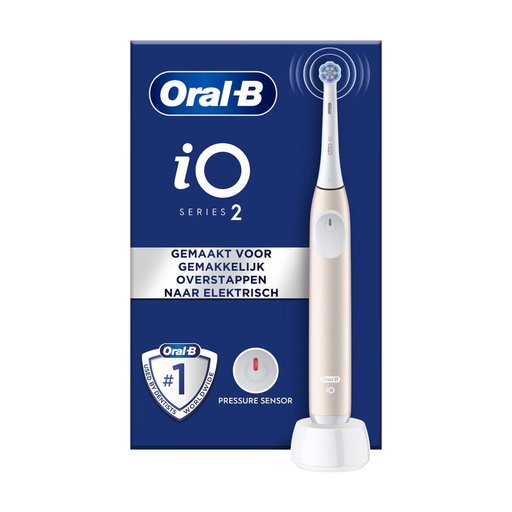
Why it suits this profile: One-button control, three intensity levels and a timer make the switch from a manual toothbrush straightforward.
You do not automatically pay for lots of programmes: this model lists three gentle intensity levels, a pressure sensor and a two-minute timer with signals every 30 seconds.
Pressure sensor, three modes and a round iO brush head; suitable for adults and children aged 3 and over under supervision, according to the product information.
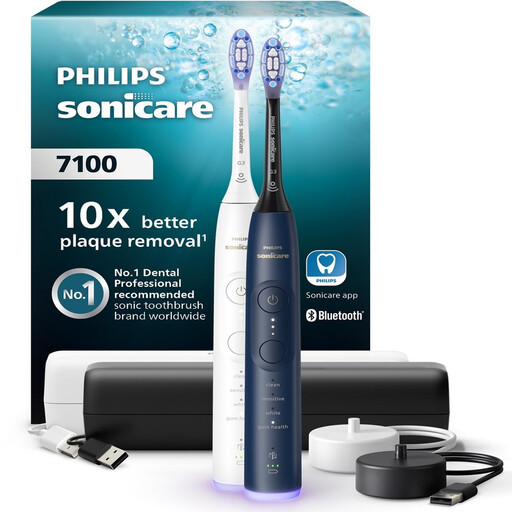
Why it suits this profile: The twin pack is practical for couples or households with two users and includes a travel case.
The product details list four brushing modes, three intensities and a pressure sensor. This lets you adjust the settings without relying solely on marketing claims about speed.
Two handles, two brush heads, a two-minute timer, travel case and a stated battery life of 84 minutes.
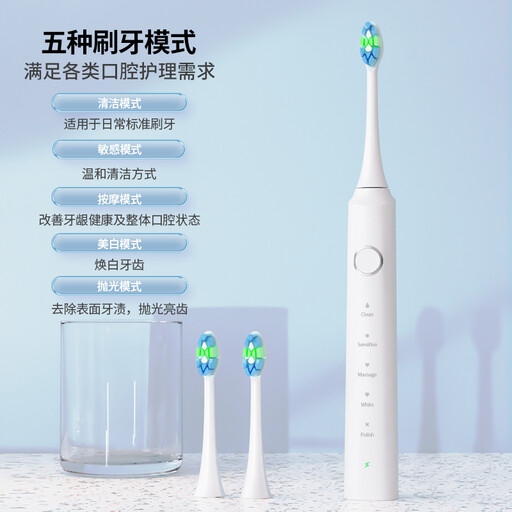
Why it suits this profile: USB-C charging, five modes and a stated usage time of up to 40 brushing sessions are well suited to travel or varied everyday use.
The battery claim is linked to a specific number of brushing sessions. A two-minute timer, signals every 30 seconds and IPX7 water resistance are also listed.
Five brushing modes, USB-C connection, 38,400 movements per minute and a stated noise level of 55 decibels.
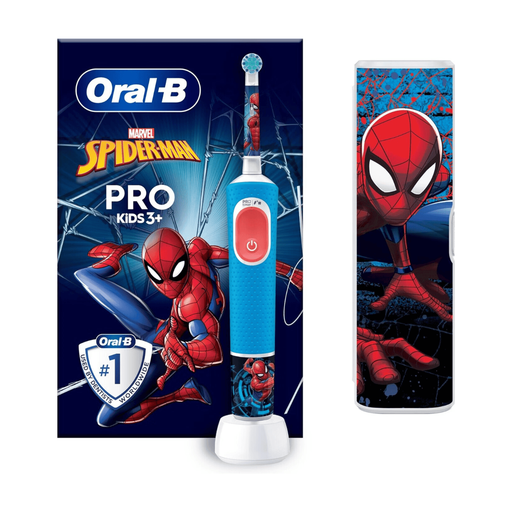
Why it suits this profile: According to the product information, this model is intended for children aged 3 and over and has an extra-soft Sensitive Clean brush head.
The age recommendation, extra-soft bristles, visible pressure sensor and 30-second signals make the choice more specific than simply choosing a cheerful design.
Two brushing modes, a two-minute timer, rechargeable battery and, according to the product specifications, up to eight days of use per charge.
We have put together a complete, up-to-date list of products that fully meet these strict selection criteria and the applicable European safety requirements.
Check before you order:
Its lifespan depends on the battery, motor, charging station and maintenance. Rinse the brush head after use, allow the parts to dry and do not use damaged cables or handles. The brush head should generally be replaced roughly every three months, following the manufacturer’s instructions.
The purchase price is usually higher, but ongoing costs mainly consist of replacement brush heads and electricity. So compare the price of compatible replacement heads and check how many heads are included in the pack. A twin pack can be practical when two people use the same range.
Choose a model with a clear age recommendation, a small brush head, soft bristles and a timer. According to the product information, children aged 3 and over should be supervised while using it. Do not use an adult model without checking that the brush head and intensity are suitable for a child.
