
Vandaag of morgen in huis

Kwaliteit gegarandeerd

Welkomstaanbiedingen ontgrendelen: GRATIS bezorging | Tot 80% korting | Gratis 30 dagen JoyPlus-proefperiode
Download de app
An electric toothbrush can make your daily routine easier, but not every model suits every user. A low price says little about the battery, an app is not automatically useful and a powerful water jet can be uncomfortable if you have sensitive gums.
If you are searching for the “best electric toothbrush”, it is therefore better to compare specific features. Consider a pressure sensor, an electric toothbrush with a timer, how it is charged and whether replacement brush heads are readily available.
Brands regularly use percentages relating to plaque removal or healthier gums. According to Oral-B’s own research, certain iO models achieve specific results compared with a manual toothbrush. According to Philips’ own information, the Sonicare 7100 series delivers 62,000 brushing movements per minute. Figures like these cannot be compared directly, as the test setup, usage and measurement methods may differ.
Treat claims as additional information. First check the features you will use every day.
High intensity may seem appealing, but brushing too hard is uncomfortable for many users. An electric toothbrush with a pressure sensor signals during brushing when you are applying too much force. According to the product description, the Oral-B iO2 automatically reduces its speed when the pressure is too high and displays a red warning signal.
Also look for a sensitive setting or soft brush head. If irritation or bleeding persists, it is advisable to consult a dentist.
A rechargeable toothbrush is convenient, but check the stated charging time and battery life. Some models use a charging stand, while others charge via USB-C. A travel case and long battery life are practical when travelling. Also check whether the charging port must be completely dry before connecting the cable.
A pressure sensor is particularly useful if you tend to brush too hard or are looking for an electric toothbrush for sensitive gums. More modes are only valuable if you actually use them. For many adults, a daily mode, sensitive mode and possibly an intensive or whitening mode are sufficient.
According to the product specifications, the Oral-B iO2 has three intensity levels: extra gentle, gentle and daily clean. The Philips Sonicare 7100 has four brushing modes and three intensity levels. The Oral-B iO6 has five modes and a display showing, among other things, the brushing mode and battery status.
An electric toothbrush with a timer helps you stick to the recommended two-minute brushing time. A signal every 30 seconds makes it easier to clean the four sections of your mouth evenly.
Also check whether the controls are clear. A simple button may be more convenient than an app if you mainly want to brush without adjusting settings. An app with brushing records is particularly useful if you like receiving feedback about areas you may have missed.
Replace brush heads according to the manufacturer’s instructions. Several Oral-B and Philips models give three months as a guideline, or sooner if the bristles become worn. Before buying, check the price and availability of suitable replacement brush heads.
With a water flosser, water pressure, tank capacity and ease of cleaning the reservoir are more important than the number of settings alone. A removable tank is easier to fill and clean. Empty the reservoir after use and allow the components to dry to help prevent deposits and unpleasant odours.
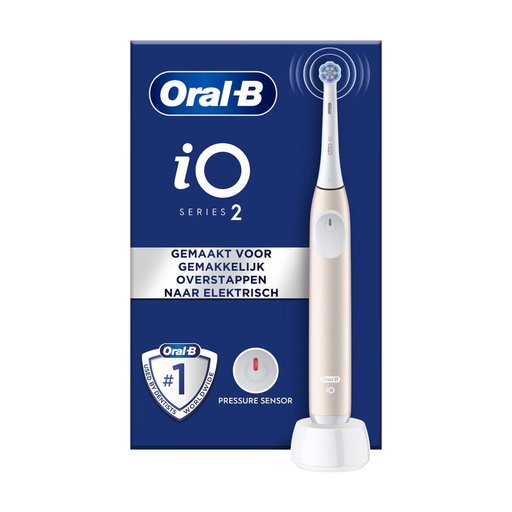
Why it suits this profile: This model is designed for simple everyday use, with one button, three intensity levels and a timer. That makes switching from a manual toothbrush straightforward.
The automatic pressure sensor helps prevent you from brushing too hard. The 30-second warning helps ensure you do not miss one section of your mouth.
Three quiet intensity levels, an automatic pressure sensor and a timer. Includes a charging stand and one brush head.
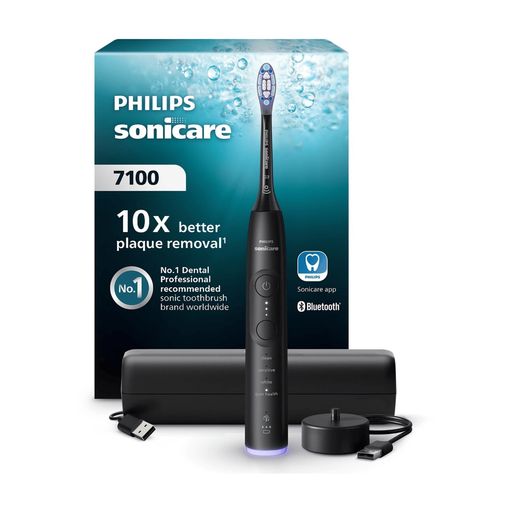
Why it suits this profile: Suitable for anyone who wants to combine multiple modes, intensity levels, a travel case and app support in one Philips Sonicare electric toothbrush.
The pressure sensor, three intensity levels and Sensitive mode give you more control than a single fixed high-power setting. The BrushSync function indicates when the brush head needs replacing.
Four brushing modes, three intensity levels, a pressure sensor, 62,000 movements per minute according to the product specifications, and a travel case.
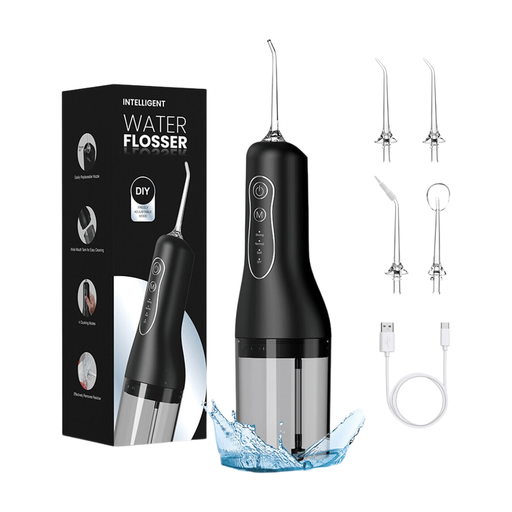
Why it suits this profile: A portable water flosser for anyone who wants to add interdental cleaning to their routine or travels frequently. The reservoir is removable and the USB-C connection works with many travel accessories.
The gentle mode is suitable for starting slowly. The wide opening of the removable tank makes it easier to fill and clean than a fixed reservoir.
Four modes, a 260 ml tank, three types of nozzle and up to 50 days of battery life according to the product information.
A toothbrush does not automatically replace cleaning between your teeth. A water flosser can be useful if you find traditional dental floss difficult to use, wear braces or regularly remove food particles from between your teeth. Start with low pressure and do not aim the jet at your eyes, ears or nose.
For home use, a model with a larger tank can be practical. According to the product information, the H2ofloss Portable Water Flosser has six modes, five nozzles, an IPX7 waterproof rating and a tank of approximately 500 to 570 ml. If specifications conflict, always check the current product page or packaging.
A toothbrush holder with UV steriliser can help keep brushes organised. The iHave F1102 is described as having a UVC and UVA system with a stated disinfection rate of 99.99%, according to the brand’s product description. This is a brand claim and not a guarantee for every usage situation. Keep the holder dry, respect the maximum load of 5 kg and do not allow children to operate the UV function unsupervised.
We have compiled a complete, up-to-date list of products that fully meet these strict selection criteria and the applicable European safety regulations.
Its lifespan depends on the battery, charging stand, motor and maintenance. Rinse the brush head after use, allow the handle to dry and check regularly for damage. Replace brush heads according to the manufacturer’s instructions, often after around three months.
In addition to the purchase price, you mainly pay for replacement brush heads and, if applicable, a water flosser nozzle. A model with lots of features may cost more, but this does not automatically mean lower running costs. Before ordering, compare the price of original or officially compatible replacement parts.
If you have sensitive gums, choose a gentle brushing mode, a pressure sensor and a suitable soft brush head. Brush without applying additional force. If pain, irritation or bleeding continues, stop using the toothbrush and seek advice from a dentist.
