
Vandaag of morgen in huis

Kwaliteit gegarandeerd

Welkomstaanbiedingen ontgrendelen: GRATIS bezorging | Tot 80% korting | Gratis 30 dagen JoyPlus-proefperiode
Download de app
An electric toothbrush can make your brushing routine more straightforward, but not every model suits every user. The differences are not limited to the brand or the number of movements per minute. The pressure sensor, timer, battery, replacement brush heads and included accessories all affect whether you will continue to enjoy using the device every day.
Also pay attention to marketing claims. According to Oral-B’s own research, certain iO models can remove up to 100% more plaque than a manual toothbrush. Philips states that some Sonicare models deliver 62,000 brushing movements per minute. These figures come from the brands themselves and do not automatically guarantee the same result for every user.
A high number of vibrations or movements sounds appealing, but it does not tell you everything about how the toothbrush feels to use. A sonic toothbrush works differently from a rotating toothbrush. Sonic models use an elongated brush head that moves rapidly back and forth. Rotating models generally use a round head that rotates, pulses or combines movement with micro-vibrations.
So first choose the brushing technology that feels comfortable. A high technical figure is less relevant if you press the brush too hard against your teeth or quickly stop using an uncomfortable model.
An electric toothbrush with a pressure sensor can use a light signal, vibration or reduced speed when you brush too hard. This helps you adjust your technique, but you still need to brush gently.
Also check how the sensor provides feedback. A simple red LED is practical and clear. Models with light and vibration feedback provide more information, for example indicating whether the pressure is too high, too low or just right.
An electric toothbrush usually needs replacement brush heads. Many manufacturers recommend replacing them after around three months, or sooner if the bristles become worn. So do not just consider the purchase price; also look at:
For beginners and people looking for a toothbrush for sensitive gums, a gentle mode and a clear pressure sensor are practical features. Three modes may be enough, for example extra gentle, gentle and daily clean. Five or more modes are mainly useful if you deliberately want to switch between sensitive cleaning, intensive cleaning and whitening.
More modes do not automatically mean better brushing. Choose features you will actually use.
An electric toothbrush with a timer generally gives a signal after 30 seconds to prompt you to move to another part of your mouth, then stops or signals after two minutes. This makes brushing time more consistent.
Pay attention to the difference between a simple timer and a smart timer used with an app. A basic model is often sufficient if you simply want to stick to a set brushing time. An app is more appealing if you are genuinely going to use its guidance and zone recognition.
A rechargeable toothbrush with a lithium-ion battery is convenient for everyday use. The product specifications for the Oral-B iO5, for example, state a usage time of 60 minutes and a charging time of three hours. The Oral-B iO6 is also listed with 60 minutes of usage time. Always check the current product page, as the model variant, charging station and accessories may differ between bundles.
A USB-C model, such as the Rushi R-C31, can be useful if you already have a suitable adapter and cable. Before charging, make sure the connection is completely dry.
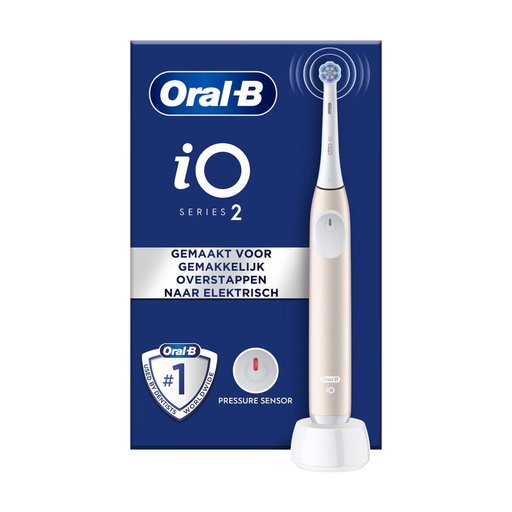
Why it suits this profile: The one-button control and three gentle intensity levels make switching from a manual toothbrush easy.
You are not paying for an app or numerous modes you may not need. According to the product description, the automatic pressure sensor reduces the speed when too much pressure is applied.
3 intensity levels, a timer with signals every 30 seconds and relatively straightforward controls.
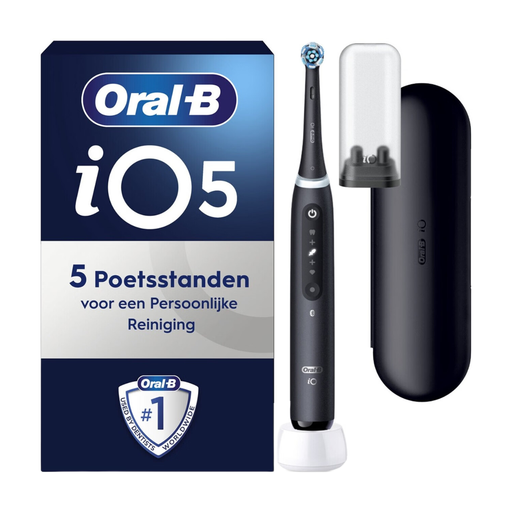
Why it suits this profile: This Oral-B iO electric toothbrush combines five brushing modes with a pressure sensor and support for the Oral-B app.
According to the product information, the pressure feedback shows whether you are brushing too hard, too gently or with the right pressure. This makes the feature more tangible than simply having a high movement count.
5 brushing modes, 60 minutes of battery life according to the specifications and real-time guidance through the Oral-B app.
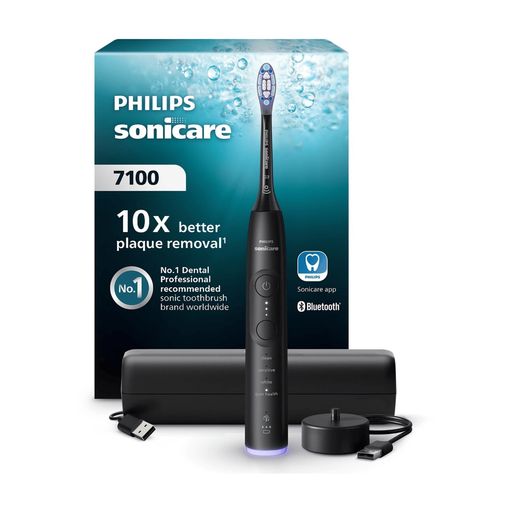
Why it suits this profile: The combination of four modes, three intensity levels, app support and a travel case suits users who want to fine-tune their routine.
The pressure warning and replacement reminder highlight two maintenance points that are often overlooked. The app is optional; the timer and modes also work without constant guidance.
Sonic technology, Premium Gum Care brush head, four modes and a travel case according to the product information.

Why it suits this profile: This model is aimed at users who want an interactive premium version with multiple modes, a display and app features.
You can decide in advance whether you will actually use the seven modes, colour display and 3D tracking. This way, you are paying specifically for the features you want rather than simply for a premium appearance.
7 brushing modes, pressure sensor, colour display, app support and magnetic charging according to the stated specifications.
We have put together a complete, up-to-date list of products that fully meet these strict selection criteria and the applicable European safety regulations.
Its lifespan depends on the battery, motor, charging station and maintenance. Rinse the brush head after use, allow the components to dry and charge the device according to the instructions. Replace the brush head generally after around three months. A statutory minimum two-year warranty applies to many of the models mentioned under the applicable EU consumer rules; check the terms and conditions for the product.
Not always. The initial purchase price is higher, and replacement brush heads are an ongoing expense. A model with commonly available, easy-to-find brush heads may be more practical in the long term. So compare the price of each replacement head and check how many are included in a pack.
Choose a gentle or sensitive mode, use light pressure and look for a clear pressure sensor. Persistent irritation or bleeding is not a reason to brush harder. Stop if you experience problems and ask your dentist for advice. Also check whether the model you choose has suitable gentle brush heads.
