
Vandaag of morgen in huis

Kwaliteit gegarandeerd

Welkomstaanbiedingen ontgrendelen: GRATIS bezorging | Tot 80% korting | Gratis 30 dagen JoyPlus-proefperiode
Download de app
An electric toothbrush can make brushing easier, but not every model suits every user. The differences are not limited to the brand or number of brushing modes. The brushing technology, pressure control, battery life and price of replacement brush heads also determine whether your purchase remains convenient in the long term.
If you focus only on terms such as “professional cleaning” or a high number of movements per minute, you could end up buying a model with features you rarely use. Pay particular attention to verifiable specifications and your own habits.
A sonic toothbrush with a high number of movements per minute may sound impressive, but the figure does not tell you how comfortable the device is to use. The shape of the brush head, noise level, intensity control and the way you move along the gumline are just as important.
A rotating toothbrush uses a round brush head and usually requires a different brushing technique from a sonic model. There is no one-size-fits-all choice, so consider which type you find easiest to handle.
A model with five or seven modes is not automatically more useful than an electric toothbrush with two or three clear programmes. If you generally only use “Daily Clean” or “Sensitive”, you may be paying for features that add little value.
Also check which brush heads are compatible and how much a replacement set costs. Manufacturers generally recommend replacing the brush head approximately every three months, or sooner if the bristles are visibly worn.
Brands sometimes publish results from their own studies, for example on plaque removal or gum health after a certain period. According to Oral-B’s own research, some iO models may remove more plaque than a manual toothbrush. Philips’ own research likewise suggests that certain Sonicare models may remove more plaque than brushing manually.
These are brand claims made under specific research conditions and are not a guarantee for every user. An electric toothbrush for healthier gums is not a substitute for professional dental advice. If you experience pain, irritation or persistent bleeding gums, it is advisable to seek professional guidance.
An electric toothbrush with a pressure sensor is particularly useful if you tend to brush too hard. Check how the warning is delivered. It may be through a light, sound or vibration. According to the product description, the Oral-B iO 3N uses a red, white and green light signal to indicate too much pressure, too little pressure or suitable pressure respectively. Philips models may automatically reduce the vibration when too much pressure is detected.
A pressure sensor can help you adjust your technique, but it only works if you take the warning seriously.
An electric toothbrush with a timer will usually indicate after two minutes that the recommended brushing time has been reached. An interval signal every 30 seconds helps you treat the four sections of your mouth evenly. It is a simple feature, but one of the most useful for everyday use.
Check whether the timer stops after two minutes or only gives a signal. Choose a model that suits your preference.
For use at home, almost any rechargeable toothbrush can be practical. For travelling, an electric toothbrush with long battery life is more convenient. The product details for the Oral-B iO 3N and Philips Sonicare Series 3100 state up to 14 days of use per charge. According to the product listing, the Laifen i2 comes with a battery life of up to 60 days.
Also check the type of charger. A USB charger is convenient when travelling, while a magnetic or fixed charging stand can be useful in the bathroom. The stated battery life depends on brushing frequency, programme and duration of use.
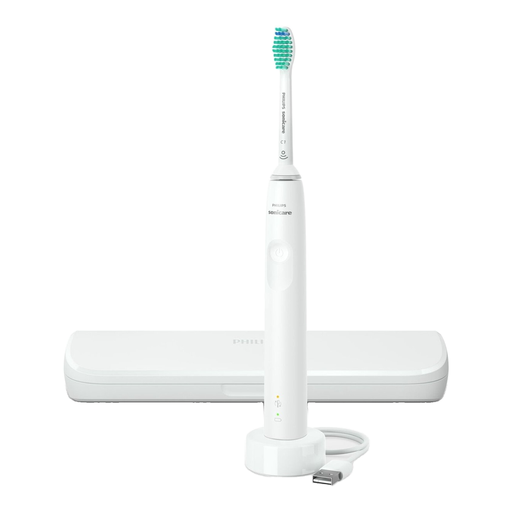
Why it suits this profile: This sonic toothbrush combines a timer, 30-second interval and pressure sensor with a compact USB charging solution and travel case.
The key features are clearly specified, without requiring you to use multiple complex programmes.
Up to 14 days of battery life according to the product details, pressure sensor, Smartimer and USB charging station.
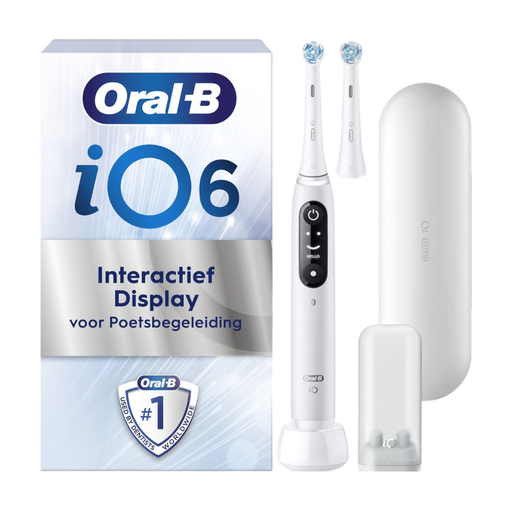
Why it suits this profile: The Oral-B iO electric toothbrush offers five brushing modes, an interactive display, a pressure sensor and, according to the product details, app support.
The pressure feedback turns a vague marketing concept into something practical: you can see and feel when to adjust the pressure.
Five modes, timer, pressure warning, display, travel case and two brush heads according to the product information.
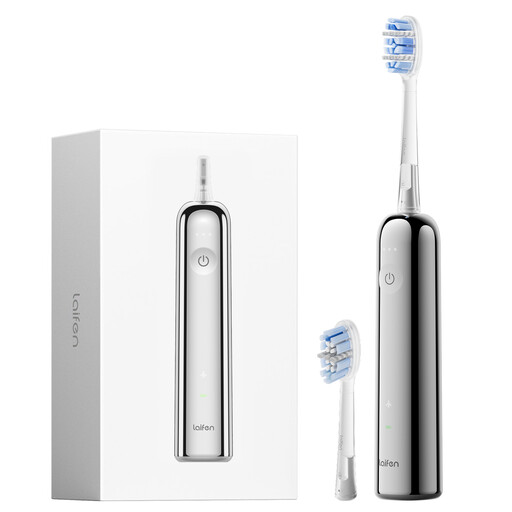
Why it suits this profile: According to the product listing, this model is designed for users who value long battery life, pressure control and Bluetooth operation.
The stated battery life and built-in pressure sensor are more concrete than a general claim about smart brushing.
Up to 60 days of battery life according to the product details, Bluetooth app control, magnetic charging and two brush heads.
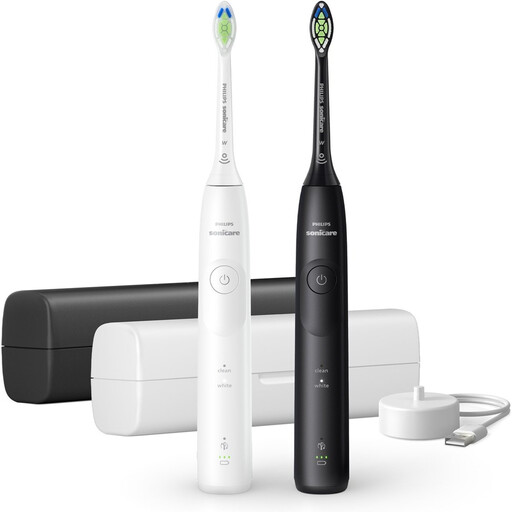
Why it suits this profile: Two handles and two brush heads make this pack suitable for partners or housemates who want to share one charging solution.
You do not need to combine two separate devices with different chargers and accessories.
Two handles, two brush heads, two modes, pressure sensor, 30-second interval and up to three weeks of battery life according to the product description.
We have put together a complete, up-to-date list of products that fully meet these strict selection criteria and the applicable European safety regulations.
Use these points before ordering a model:
Its lifespan depends on the battery, charging contacts, brush head and daily maintenance. Rinse the brush head after use, allow the components to dry and replace the brush head when the bristles are worn. Do not use a damaged charger or handle.
Many manufacturers recommend replacing it approximately every three months. Replace it sooner if the bristles become splayed, discoloured or damaged. Do not share a brush head with anyone else.
The purchase price is usually higher, but ongoing costs mainly consist of brush heads and electricity. So do not compare only the price of the device; also compare the price per replacement brush head and the number supplied with the product.
