
Vandaag of morgen in huis

Kwaliteit gegarandeerd

Welkomstaanbiedingen ontgrendelen: GRATIS bezorging | Tot 80% korting | Gratis 30 dagen JoyPlus-proefperiode
Download de app
An electric toothbrush can help you brush more regularly and evenly, but not every model suits every user. A long list of modes, an app or a high number of movements per minute says little about day-to-day use on its own. Focus on the features you will actually use, as well as the costs after purchase.
An electric toothbrush with Bluetooth, a colour display and a comprehensive app may be appealing if you want to monitor your brushing habits. If you are simply looking for a basic timer and a comfortable brushing mode, you may get little benefit from these extras. Check beforehand that the app works with your phone and consider whether you are likely to open it regularly.
A sonic toothbrush is often advertised as having tens of thousands of movements per minute. This figure describes the motor technology; it does not automatically determine your brushing results. With a rotating toothbrush, factors such as the shape of the brush head, the controls and the way you move the head along your teeth also play a role.
According to Philips’ own research, the Sonicare 7100, for example, has 62,000 brush movements per minute. This is a verifiable product specification, but it is not, by itself, a guarantee of a particular result.
The handle is often only part of the total cost. According to several product instructions, brush heads should be replaced approximately every three months, or sooner if the bristles are worn. Therefore, compare:
For electrical appliances purchased in the EU, the minimum legal guarantee applies under the relevant consumer protection rules. Exact additional terms may vary between manufacturers and sellers.
An electric toothbrush with a pressure sensor gives a light signal, vibration or speed reduction when you press too hard. This is particularly practical for adults who are used to brushing firmly or who want to use a gentle mode. A sensor does not replace correct brushing technique. If irritation or bleeding persists, it is advisable to consult a dentist.
Pay attention to exactly what the sensor does. Some models only provide a warning, while others automatically reduce the speed. The Oral-B iO2, for example, specifies an automatic sensor that reduces the speed and signals red when too much pressure is applied.
An electric toothbrush with a timer helps you maintain the recommended brushing time of two minutes. An interval alert every 30 seconds divides the mouth into four zones. This is a simple feature, but for many users it is more useful than a comprehensive app.
Check whether the timer:
A rotating toothbrush uses a round head that rotates and often pulses or vibrates. A sonic toothbrush uses rapid movements of the bristles. Both systems require a short adjustment period. With a round head, you generally work on one tooth at a time; with a sonic head, you usually move the brush slowly along several teeth.
Do not choose based solely on the motor type. Also consider noise level, the availability of soft brush heads, grip, charging method and maintenance.
Longer battery life is useful if you travel often or do not want to keep a charging station permanently on the washbasin. Check whether the stated operating time is given in minutes or days, and whether the manufacturer specifies the conditions under which that figure applies.
An IP rating describes protection against dust and water. IPX7, for example, means protection during temporary immersion according to the relevant standard; it does not mean that the charger can safely be used in the shower. Keep the charging station and connector dry, and always follow the instructions for use.
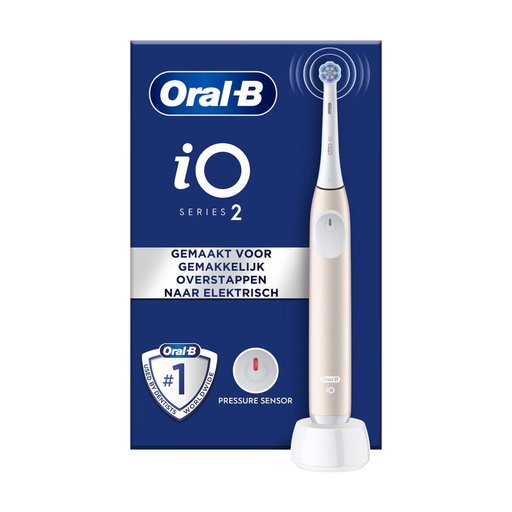
Why it suits this profile: This model keeps operation simple with one button and offers three intensity levels for everyday use.
You are not specifically paying for Bluetooth or a comprehensive app here. The product specifications do mention a pressure sensor and a timer with alerts every 30 seconds.
Three quiet intensity levels, an automatic pressure warning and a two-minute timer.
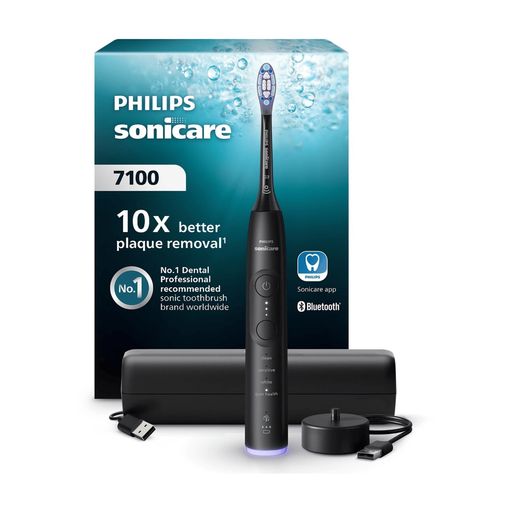
Why it suits this profile: If you are looking for multiple settings and app support, you get four brushing modes, three intensities and a travel case.
The pressure sensor and replacement reminder highlight two maintenance points that are often overlooked. The app is an added extra, not a requirement for using the brush.
62,000 movements per minute according to the product information, four modes, three intensities and a pressure warning.

Why it suits this profile: Type-C charging and IPX7 water resistance according to the product information are practical for users who want to store or take their brush with them flexibly.
The built-in timer with zone reminders stops you relying solely on motor power and vibrations. However, check which charging cable is included.
40,000 vibrations per minute according to the product information, Type-C charging, a two-minute timer and IPX7 water resistance.
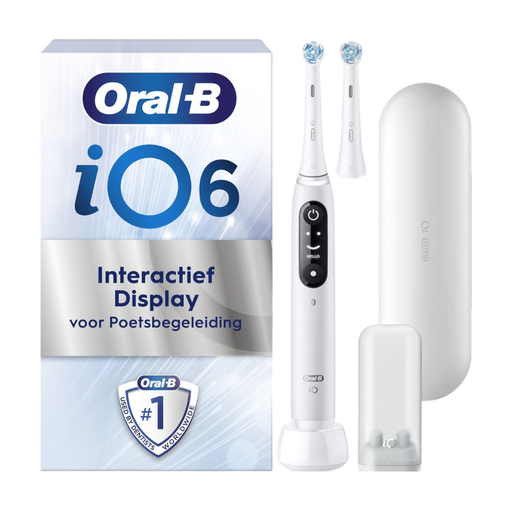
Why it suits this profile: According to the product information, this model combines five brushing modes, a display, a pressure sensor and support for the Oral-B app.
Pressure is not only shown in the app: the product specifications also mention a sensor on the handle. This means basic feedback remains available without a phone.
Five brushing modes, light and vibration feedback when pressure is applied, a display, charging station, two brush heads and a travel case.
Use this checklist before ordering:
We have compiled a complete, up-to-date list of products that fully meet these strict selection criteria and the applicable European safety regulations.
Its lifespan depends on the battery, charging station, daily use and maintenance. Rinse the brush head after use, clean the handle according to the instructions and check regularly for damage. Replace the brush head usually every three months, or sooner if the bristles are worn. Store the charging station in a dry place.
The purchase price is usually higher, but recurring costs mainly come from brush heads and, where applicable, an app subscription. Compare the price of each replacement head and check whether original or compatible heads are readily available. The electricity used for charging is generally a smaller part of the total running costs.
No. A timer and pressure sensor are often sufficient if your main aim is to brush evenly without applying too much pressure. An app can be useful if you want to track zones, brushing time or progress. Choose this feature only if you are prepared to install the app, connect it and use the required settings.
