
Vandaag of morgen in huis

Kwaliteit gegarandeerd

Welkomstaanbiedingen ontgrendelen: GRATIS bezorging | Tot 80% korting | Gratis 30 dagen JoyPlus-proefperiode
Download de app
An electric toothbrush can make brushing more structured, but not every model suits every user. A low price may be appealing, while expensive features may add little to your daily routine. Terms such as “sonic”, “40,000 movements” and “smart technology” only mean something when you know how they benefit you.
For adults, families and parents, three questions are particularly important: how gently and consistently does the device brush, how long does the battery last, and are replacement brush heads easy to obtain?
A high number of vibrations or movements per minute sounds impressive, but it does not automatically tell you how comfortable a toothbrush feels or how well you can reach every area. A sonic toothbrush works differently from a rotating model. So also consider:
According to brands’ own research, certain technologies may improve cleaning. Treat such results as brand information and focus mainly on specifications that can be checked.
An electric toothbrush with a timer usually gives a signal after 30 seconds and may stop or change mode after two minutes. This helps you divide your brushing time, but the timer does not check whether you have cleaned every tooth properly. A pressure sensor only warns you when you apply too much force; you still need to move the brush gently along your teeth and gumline.
The handle is only one part of the total cost. According to many manufacturers’ instructions, brush heads should be replaced approximately every three months, or sooner if the bristles become worn. Before buying, check:
A rotating or oscillating toothbrush usually uses a round head that can be positioned on each tooth. Oral-B electric toothbrushes, such as models from the Vitality and iO ranges, use this approach.
A sonic toothbrush moves the brush head rapidly backwards and forwards. For example, the Philips Sonicare electric toothbrush HX7119/02 lists 62,000 movements per minute, two brushing modes and a pressure sensor. Figures like these are product specifications, not a guarantee of personal results.
A toothbrush with a pressure sensor is practical for anyone who tends to brush too hard or is looking for a toothbrush for sensitive gums. The sensor may warn you with a light, vibration or speed adjustment. A soft brush head remains important: a sensor does not replace a gentle brushing technique.
For children aged 3 and over, extra-soft bristles and a smaller brush head are important considerations. Always use a model that, according to the product information, is suitable for the child’s age and supervise them while using it.
An electric toothbrush with a timer helps you establish a consistent brushing routine. Also check the stated battery life. Some models work for a few days per charge, while others, according to their product specifications, last for several weeks or longer.
A waterproof electric toothbrush can be useful in the bathroom, but do not charge the device while it is wet. An IP rating, such as IPX7 or IPX8, describes protection against water under specific test conditions. Always check the instructions for charging and cleaning.
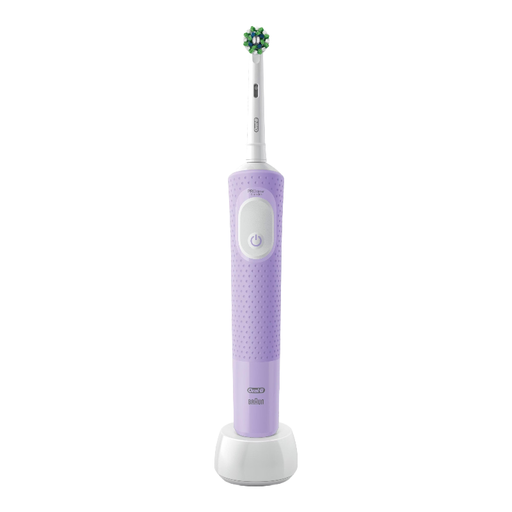
Why it suits this profile: This model offers a straightforward start with a Sensitive programme, built-in timer, charging indicator and charging station. That makes it easy to use every day.
The choice is limited to a practical Sensitive programme and a timer, so you do not pay for features you may not use.
Rechargeable battery, Sensitive programme, timer and charge-level indicator.
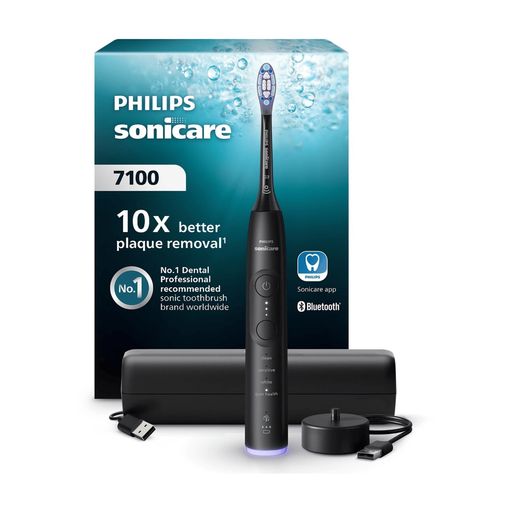
Why it suits this profile: For users who want multiple settings and guidance, this model lists four brushing modes, three intensities, a pressure sensor, BrushSync and support for the Sonicare app.
The relevant features are clearly specified: modes, intensities, timer and pressure sensor. This lets you weigh the higher price against how you plan to use it.
Four brushing modes, three intensities, travel case and a stated battery life of up to three weeks.
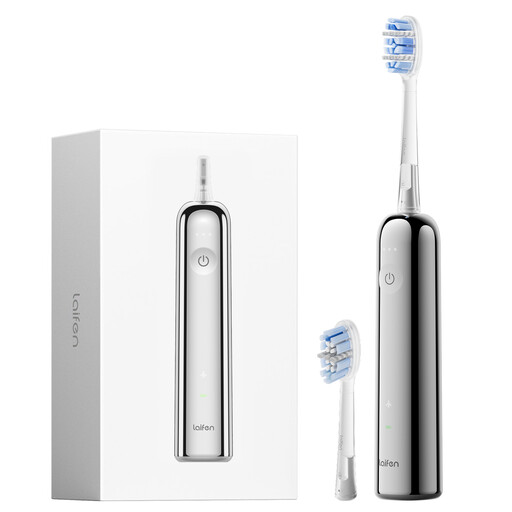
Why it suits this profile: With a stated battery life of up to 60 days, Bluetooth app control, a pressure sensor and a magnetic wireless charger, this model is aimed at users who travel frequently or prefer to charge as little as possible.
The battery life and charging method are clearly described in advance. However, check that the app features and compatible brush heads suit your routine.
Up to 60 days’ battery life according to the product information, pressure sensor, two brush heads and wireless magnetic charging.
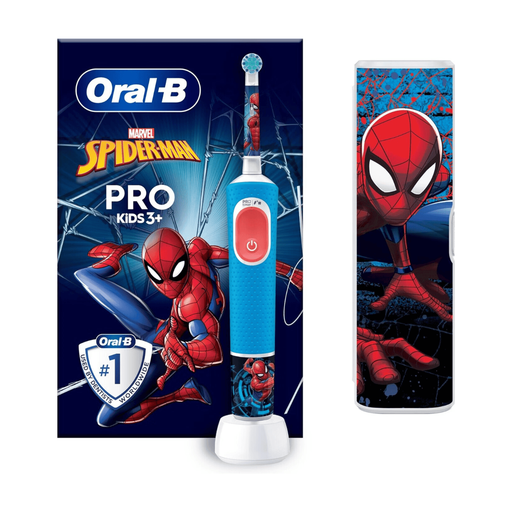
Why it suits this profile: According to the product information, this model is suitable from age 3 and features extra-soft Sensitive Clean bristles, a visible pressure sensor and a timer with signals for each brushing zone.
The recommended age, softness of the brush head and need for parental supervision are clearly stated. This helps prevent an adult model being chosen for a young child.
Suitable from age 3, extra-soft bristles, 360° visible pressure sensor and battery life of up to 8 days according to the product information.
We have put together a complete, up-to-date list of products that fully meet these strict selection criteria and the applicable European safety regulations.
This depends on the battery, charging contacts, motor and maintenance. The brush head has a shorter service life and is often replaced approximately every three months. Clean the head after use, let it air-dry and follow the manufacturer’s charging and maintenance instructions.
It can be, but the experience varies from person to person. Choose a model with a Sensitive mode, soft brush head and pressure sensor. Start at a low intensity and do not press on your teeth. If sensitivity persists, discuss using it with your dentist.
The purchase price and cost of brush heads are generally higher than for a manual toothbrush. In return, you get added convenience, such as a timer, rechargeable battery and sometimes a pressure sensor. So do not compare only the price of the handle; also consider the price and availability of compatible replacement heads.
