
Vandaag of morgen in huis

Kwaliteit gegarandeerd

Welkomstaanbiedingen ontgrendelen: GRATIS bezorging | Tot 80% korting | Gratis 30 dagen JoyPlus-proefperiode
Download de app
An electric toothbrush can make daily brushing easier, but not every model suits every user. A long list of brushing modes may sound appealing, while in practice you may mainly need a good timer, a soft brush head and a reliable battery.
So focus on the features you will actually use. This helps you avoid paying extra for functions that remain unused or prove inconvenient after a few months.
Brands often advertise a high number of movements per minute. On its own, that figure does not tell you how comfortable the brush is to use or how suitable it is for your teeth. A sonic electric toothbrush works differently from a rotating model, such as the Oral-B iO series. The shape of the brush head, noise level, intensity control and your brushing technique are just as relevant.
Claims about plaque removal or whiter teeth are also specific to each brand. According to the relevant brand’s own research, results compared with a manual toothbrush may vary depending on the user and how the product is used. Do not therefore treat such percentages as a guaranteed outcome.
A toothbrush with long battery life is useful when travelling, but also check how it charges. A USB-C connection is practical in a hotel or holiday cottage, while a fixed charging base can be convenient for everyday use. For water-resistant models, follow the instructions carefully: a waterproof housing does not automatically mean that the charging port may get wet while charging.
Five brushing modes are not automatically more useful than two well-chosen modes. For people with sensitive teeth or sensitive gums, a gentle mode, several intensity levels and an electric toothbrush with a pressure sensor are often more important. A timer also helps ensure that you do not brush for too short a time, but it cannot replace gentle movements along the gumline.
An electric toothbrush with a timer usually signals after 30 seconds that it is time to change quadrant and stops after two minutes. This makes it easier to distribute your brushing time evenly. Check whether the model only vibrates, switches off automatically or does both.
For adults, two or three modes are often sufficient:
A mode name is not a medical promise. According to a brand’s own research, a whitening function may, for example, refer to removing surface staining rather than guaranteeing a change in tooth colour.
Do not compare “days of use” alone; also look at the underlying information. The usmile Y1S, for example, states up to 180 days of use per charge, while the Philips Sonicare 6100 states up to three weeks. Battery life depends on brushing frequency, selected intensity and charge status.
An electric toothbrush with a travel case protects the brush head while you are away. However, allow the brush to dry before storing it in a closed case. Also check how many handles, brush heads and charging accessories are included. A duo pack can be practical for two adults, but only if replacement brush heads are readily available.
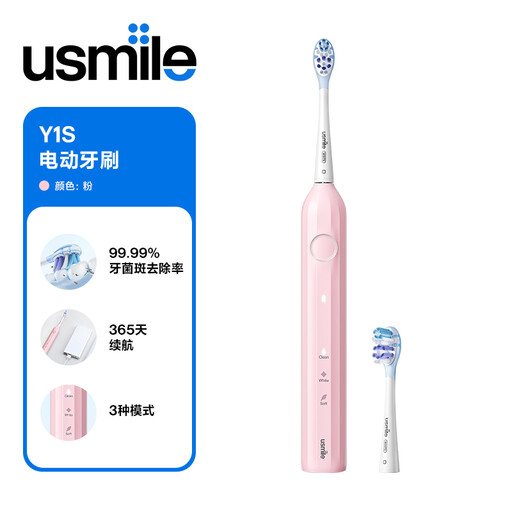
Why it suits this profile: This model combines three brushing modes with a timer and USB-C charging. You get practical essential features without an extensive app or numerous additional settings.
The specifications clearly state three modes, a 30-second quadrant reminder, a two-minute timer and a travel case.
Up to 180 days of battery life according to the product information, three modes, USB-C and a travel case.
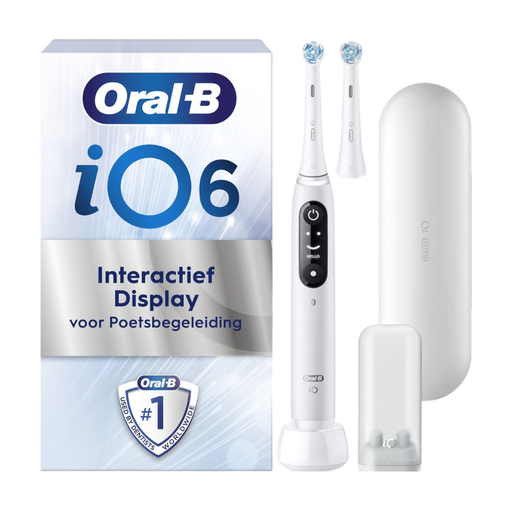
Why it suits this profile: Ideal for anyone who values feedback while brushing. The model features a display, five brushing modes, a pressure sensor and an included travel case.
The pressure feedback shows when you are brushing too hard. The timer signals every 30 seconds and after two minutes.
Five modes, visible pressure sensor, lithium-ion battery and two included brush heads.
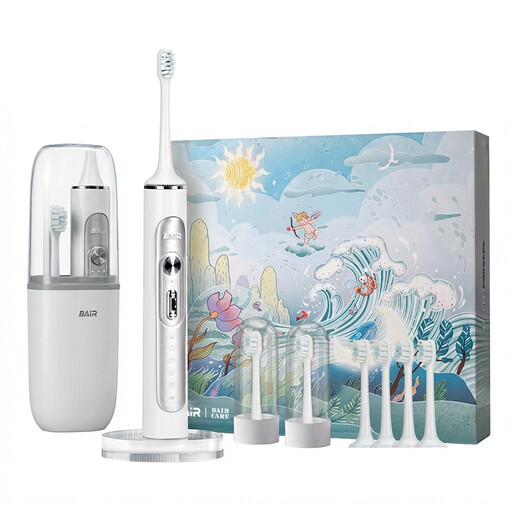
Why it suits this profile: An option for users who travel frequently or do not want to charge their toothbrush regularly. The product title states five modes, three intensities and battery life of up to 180 days.
The stated long battery life reduces the need to take a charger with you. However, check the current instructions and charging requirements before use.
Five modes, three intensities, a two-minute timer, IPX7 water resistance and a travel case according to the product title.
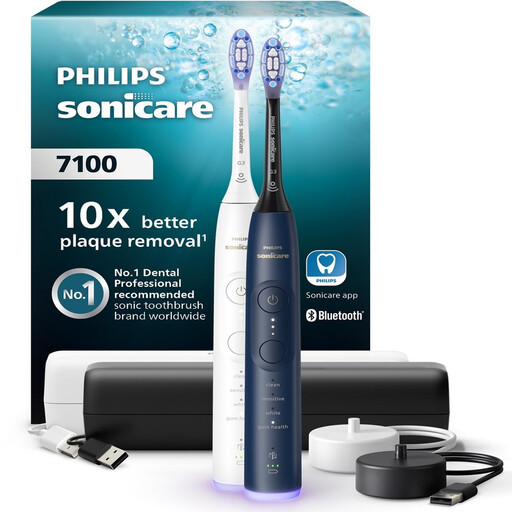
Why it suits this profile: This pack contains two handles, making it suitable for two adults who want to use products from the same range.
The set specifies two handles, two brush heads, a travel case, four modes and three intensities. This makes it clear what you will receive.
Duo pack, four brushing modes, pressure sensor, timer and two Premium Gum Care brush heads according to the product information.
We have put together a complete, up-to-date list of products that fully meet these strict selection criteria and the applicable European safety regulations.
A rechargeable toothbrush requires little maintenance, but consumables account for part of the overall cost. Replace the brush head according to the manufacturer’s instructions, usually after around three months or sooner if the bristles are damaged. Check the price of replacement heads and which types are compatible before buying.
Rinse the brush head after every use and allow both the handle and the head to dry. Do not store a wet brush in a closed travel case for long periods. Only charge a USB-C model when the connection is dry, and use the supplied or recommended charger.
It can be, but focus particularly on a Sensitive or Soft mode, a low intensity and a soft brush head. An electric toothbrush for sensitive teeth does not automatically prevent irritation. Brush gently and ask a dentist for advice if sensitivity persists.
This varies significantly from one model to another. The stated specifications range from around two to three weeks for various Philips Sonicare models to up to 180 days for the usmile Y1S and BAIR CARE G201. Treat these figures as stated battery life under specific conditions, not as a fixed guarantee.
In addition to the purchase price, you mainly pay for replacement brush heads and electricity. Power consumption is generally a smaller part of the overall cost. Before making your choice, compare the price and availability of compatible brush heads, the included accessories and the statutory guarantee.
