
Vandaag of morgen in huis

Kwaliteit gegarandeerd

Welkomstaanbiedingen ontgrendelen: GRATIS bezorging | Tot 80% korting | Gratis 30 dagen JoyPlus-proefperiode
Download de app
Buying an electric toothbrush seems simple—until you see the options. Dozens of models promise whiter teeth, smarter features, and a professional-level clean. But which features do you actually need, and what are you paying extra for unnecessarily? As a Joybuy Product Recommendation Officer, I'll help you see through the marketing hype and find a model that fits your dental needs and budget.
Before you make a choice, it's wise to consider a few common pitfalls:
To avoid buyer's remorse, it's best to focus on the specifications that truly matter. These are the three most important factors.
The two dominant technologies on the market are sonic and rotating. Neither is inherently better; the choice is personal and depends on what you find comfortable.
Regardless of the brushing technology, there are two features that add value for almost everyone:
Think about how and where you will use the toothbrush.
Based on these criteria, we have selected a few models that suit different user profiles.
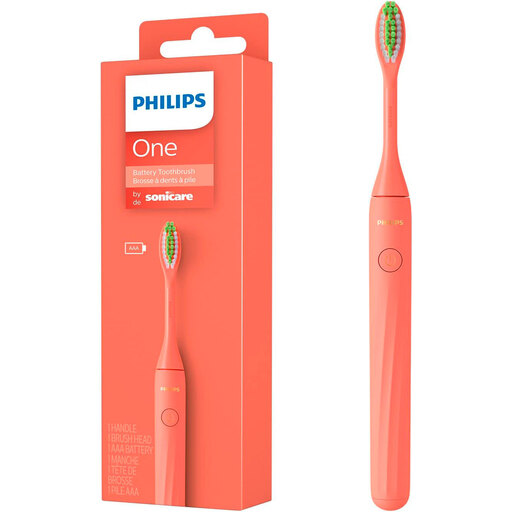
Why This Fits Their Persona: Ideal for those switching from a manual toothbrush. This model offers the benefits of sonic brushing in a simple and compact design, without the complexity and cost of advanced models.
This model focuses on the essentials: an effective clean with micro-vibrations and a 2-minute timer. No expensive, unused 'smart' features.
Runs on a single AAA battery that lasts up to 90 days. Its slim design and included travel case make it excellent for on-the-go use.
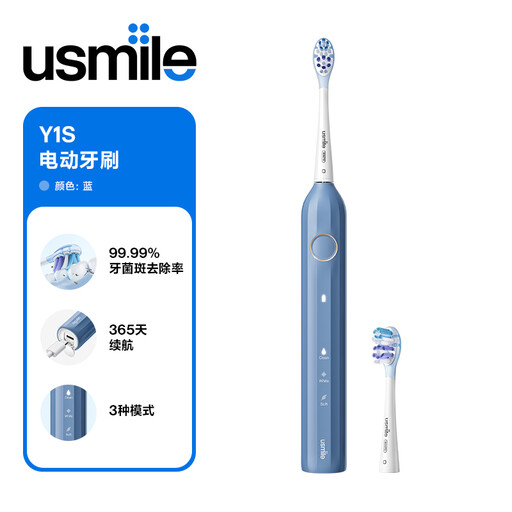
Why This Fits Their Persona: For those who prioritise convenience and long battery life. Perfect for frequent travellers or anyone who simply hates daily charging and wants a clutter-free bathroom.
This model tackles the 'battery trap'. The manufacturer claims a battery life of up to 6 months on a single charge, eliminating the need for frequent recharging.
The exceptionally long battery life combined with charging via a standard USB-C cable. It comes with a travel case and has 3 brushing modes.
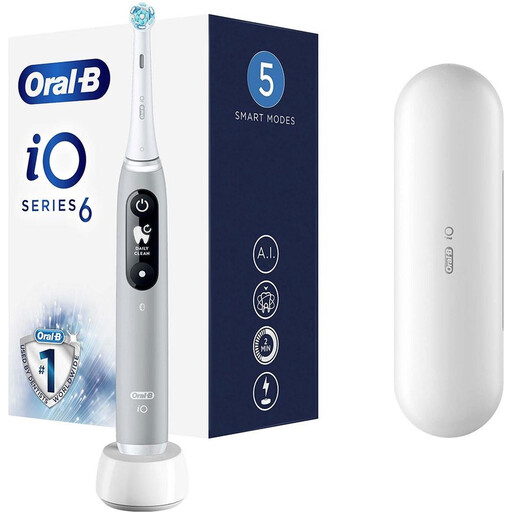
Why This Fits Their Persona: For those who want to perfect their brushing routine. This model provides direct feedback and multiple brushing modes for specific needs, such as sensitive gums or whiter teeth.
The 'smart' features of the Oral-B iO 6 are functional. The pressure sensor provides clear feedback with a light ring (red, white, green), and the app connection genuinely helps improve your technique.
The combination of the rotating 3D brushing technology with a smart pressure sensor. The 5 different brushing modes offer a personalized clean.
We have compiled a complete, up-to-date list of products that meet these strict selection criteria.
Most manufacturers, as well as dentists, recommend replacing the brush head every three months. Worn bristles clean less effectively and can harbour more bacteria. Some brush heads even have indicator bristles that fade to let you know when it's time for a replacement.
For many people, yes. It's very easy to unknowingly apply too much pressure while brushing, which can lead to receding gums and enamel wear. A toothbrush with a pressure sensor helps prevent this by warning you instantly. It's a valuable feature for maintaining long-term dental health.
If your toothbrush has a standard USB port (like USB-C), you can generally use the cable with any certified USB adapter, such as the one for your phone. However, always check the manufacturer's manual for specific power requirements (voltage and amperage) to avoid damaging the battery. It's best to use the cable that came with the device.
