
Vandaag of morgen in huis

Kwaliteit gegarandeerd

Welkomstaanbiedingen ontgrendelen: GRATIS bezorging | Tot 80% korting | Gratis 30 dagen JoyPlus-proefperiode
Download de app
An electric toothbrush can help make your daily brushing routine more consistent. However, you’re not automatically paying for a better experience when a model promises lots of modes, an app or an impressively long battery life. The difference often lies in details you only notice after a few weeks: a vague timer, pricey replacement brush heads, or a charger that’s less practical than you expected.
1. A long battery life without checking how it charges
An electric toothbrush with long battery life sounds handy, but also look at how it charges. A USB-C connection is practical for travel, while a fixed charging base on the washbasin can be simpler. Also check whether the charging port needs to be dry before you plug the cable in.
2. Lots of brushing modes you’ll barely use
An electric toothbrush with multiple brushing modes isn’t automatically right for everyone. Several modes are mostly useful if you want to switch deliberately between, for example, daily clean, sensitive and a whitening programme. A simple toothbrush with two modes can be enough if you mainly want a consistent routine.
3. Confusing marketing claims with verifiable specifications
Brands sometimes quote percentages about plaque removal, gums or whiter teeth. According to the brand’s own research, such results may have been measured under specific conditions. Don’t treat them as a guarantee of your personal outcome. Focus instead on concrete details such as a two-minute timer, a pressure sensor, battery life, included brush heads and water resistance.
An electric toothbrush with a timer usually signals after two minutes that your brushing time is up. A 30-second interval prompt helps divide your mouth into four quadrants. This is useful if you tend to stop too soon or skip certain areas.
An electric toothbrush with a pressure sensor warns you when you’re pressing too hard. That’s helpful if you have sensitive teeth or sensitive gums. Check how the warning works: via a light, vibration, sound or a combination of these. A pressure sensor won’t fix poor brushing technique; gentle movements and following your dentist’s guidance still matter.
A sonic electric toothbrush moves the bristles rapidly back and forth. In product specifications you might see 31,000 or 62,000 movements per minute. A rotating model, such as various Oral-B iO models, uses a round brush head with rotating, pulsating and vibrating movements.
The number of movements per minute is only one measure. Also consider the shape of the brush head, the availability of compatible brush heads and the available intensities. For a first step from manual to electric, a gentler mode can be more important than a high movement count.
A rechargeable toothbrush is usually more convenient than a model with disposable batteries. The quoted runtime varies widely:
Always check how the manufacturer calculates “days”. The number of brushing sessions per day, the chosen intensity and the charge level affect actual battery life.
An IPX7 or IPX8 rating indicates protection against water to the stated product standard, but it doesn’t mean you can use the charger under water. Only charge a USB-C model when the port is completely dry. An electric toothbrush with a travel case is especially useful if the case protects the brush head and isn’t just a pouch.
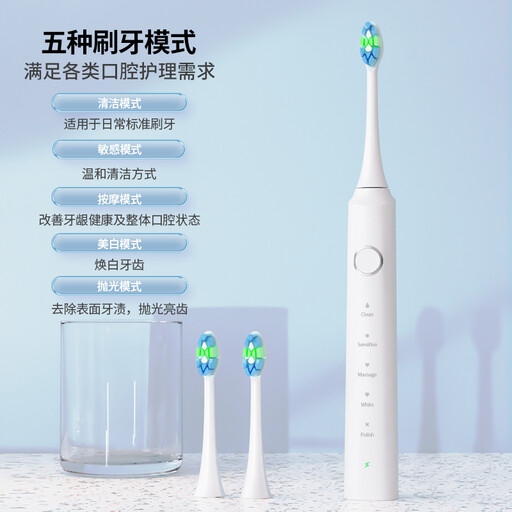
Why this suits the profile: This model offers five brushing modes, a 2-minute timer and USB-C charging, without forcing you into advanced smart features.
The timer and quadrant reminder are clearly described. The stated IPX7 rating clarifies the water resistance claimed; only charge via the USB-C port when it’s dry.
40 brushing sessions per charge according to the product information, five modes and USB-C charging.
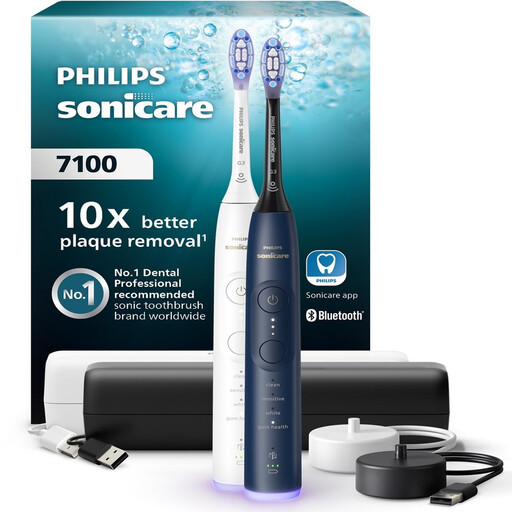
Why this suits the profile: The duo pack is practical for two adults. The model combines four modes, three intensities, a pressure sensor and a travel case.
The product information lists the modes, intensities, timer and pressure sensor separately. That means you don’t have to rely solely on general app or whitening claims.
Two handles, two brush heads, four brushing modes, three intensities and a Sonicare app with a 3D mouth map, according to the product description.
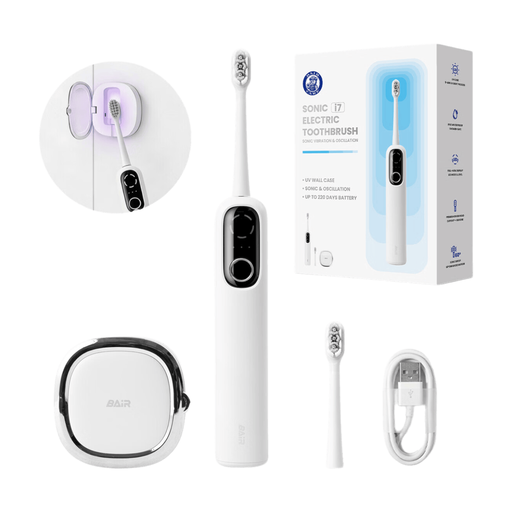
Why this suits the profile: The combination of five modes, three intensities, USB-C charging and a stated 220-day battery life suits intensive daily use and travel.
The IPX8 water resistance and charging method are listed separately. The UV-C feature in the product name is a brand or product claim; don’t treat it as a substitute for cleaning and drying the brush head.
Five brushing modes, three intensities, USB-C charging and a stated 220-day battery life.
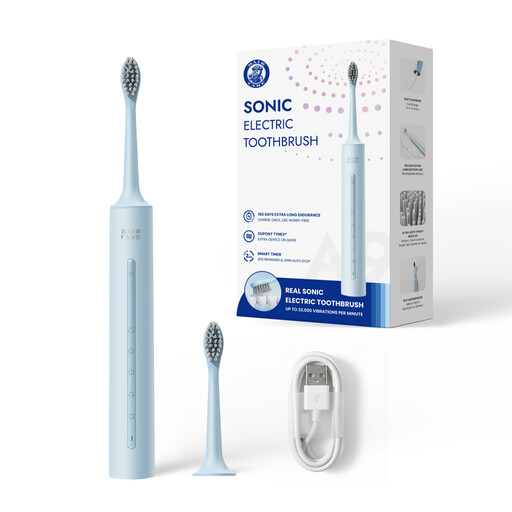
Why this suits the profile: A sonic electric toothbrush with five modes, three intensities and a stated 180-day battery life offers plenty of settings for a daily budget model.
The timer, modes, intensities and IPX7 rating are more concrete than a generic promise about brushing results. Check the availability of replacement brush heads before purchasing.
180 days’ stated battery life, five modes, three intensities and an intelligent 2-minute timer.
We’ve curated a complete, up-to-date list of products that fully meet these strict selection criteria and current European safety regulations.
Lifespan depends on the battery, the charging method, maintenance and the availability of brush heads. Rinse the brush head after use, let it dry and keep the charging port dry. Replace the brush head according to the manufacturer’s instructions, often around every three months or sooner if the bristles are worn.
Beyond the purchase price, you’ll mainly pay for replacement brush heads. So compare the price and availability of compatible heads before buying. A model with a low upfront price can work out more expensive over time if suitable brush heads are hard to find.
In that case, choose a model with a sensitive mode, adjustable intensity and ideally a pressure sensor. Brush with light pressure and use a suitable soft brush head. If sensitivity or pain persists, it’s wise to ask your dentist for advice.
