
Vandaag of morgen in huis

Kwaliteit gegarandeerd

Welkomstaanbiedingen ontgrendelen: GRATIS bezorging | Tot 80% korting | Gratis 30 dagen JoyPlus-proefperiode
Download de app
An electric toothbrush can help make your daily brushing routine more consistent. However, you can sometimes end up paying for features you barely use. A high price doesn’t automatically mean a model will suit your brushing habits. So pay attention to the technology, accessories, battery and replacement brush heads.
Brands regularly promise more plaque removal, healthier gums or whiter teeth. Such results aren’t the same for every user. According to Oral-B’s own research, some iO models, for example, quote percentages for plaque removal compared with a manual toothbrush. Treat this as information from the manufacturer, not a guarantee of your personal results.
Instead, check concrete details such as:
The purchase price is only part of the cost. Also look at the price and availability of replacement brush heads. An Oral-B iO electric toothbrush, for example, uses iO brush heads that are not the same as standard Oral-B Kids brush heads or other Oral-B series.
With children, pay extra attention to the product description. The Oral-B EB10S-4 Kids Spiderman is not a complete electric toothbrush, but a set of four replacement brush heads for Oral-B Kids handles. The soft bristles and small round head are designed for children aged 3 and over. Adult supervision remains important.
An electric toothbrush with an app can track your brushing behaviour and show you areas you might be missing. That’s handy if you like working with data. For others, a simple timer is enough. Extra software, displays and Bluetooth can push up the purchase price without fitting into your daily routine.
A sonic toothbrush moves the bristles back and forth rapidly. The Philips Sonicare Series 3100, for example, claims 31,000 movements per minute. The Sonicare 7100 and the Sonicare 7100 twin pack claim 62,000 movements per minute.
A rotating toothbrush uses a round brush head that rotates and, on some models, also pulses. According to the product information, Oral-B iO models use 3D magnetic technology with rotation, vibration and pulsation. The choice is mainly a matter of preference, grip and getting used to it. What matters more is that you move the brush gently across all tooth surfaces.
An electric toothbrush with a pressure sensor gives a light signal, vibration or other warning when you’re using too much force. This can be useful if you’re used to brushing hard or you’re looking for a model for sensitive gums. A sensor doesn’t replace dental advice for persistent pain or irritation.
An electric toothbrush with a timer usually works with a total brushing time of two minutes and interval signals every 30 seconds. This helps you divide your time across the four sections of your mouth. Do check whether the timer only stops after two minutes or also gives feedback in between.
A model with long battery life is handy for a shared household or for travel. The Philips Sonicare 3100 claims up to 14 days of use per charge. The Oral-B iO 5 and iO 6 give a usage time of 60 minutes; the iO 5 states a charging time of around three hours. If information seems contradictory, always check the current product specifications on the product page.
An electric toothbrush with a travel case is practical when you’re often on the go. The Oral-B iO 6N White includes a travel case, charging station, two brush heads and a holder. With a twin pack, a second handle can work out cheaper than two separate purchases, but also compare the number of chargers, cases and brush heads.
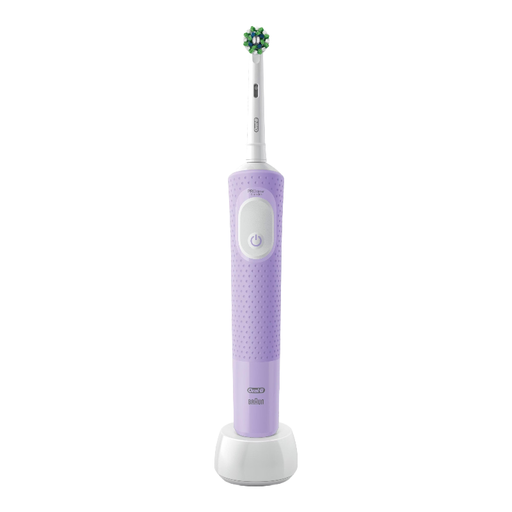
Why this fits the profile: This model focuses on daily oral care without an app or extensive settings. The Sensitive mode and built-in timer keep operation simple.
You’re not paying for Bluetooth or multiple programmes you might not use. The product information mentions a charging station, charging indicator and timer.
Rotating brushing technology, Sensitive programme and a two-minute timer.
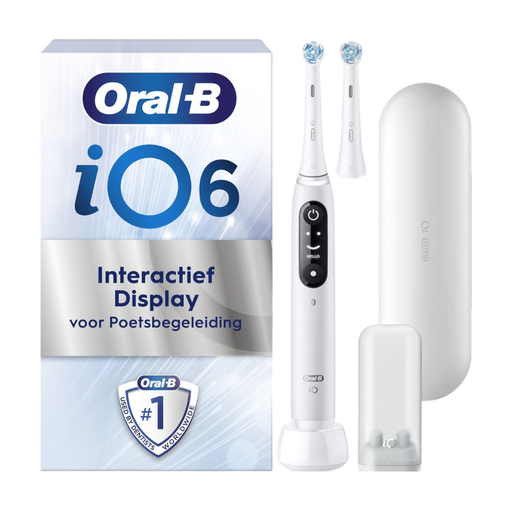
Why this fits the profile: The interactive display, five brushing modes and app support suit users who want to actively tailor their brushing routine.
The features are clearly listed: a pressure sensor, timer, battery indicator and travel case. This lets you compare the extra cost against what you’ll actually use.
Five modes, round iO brush head, display, app connectivity and two brush heads included.
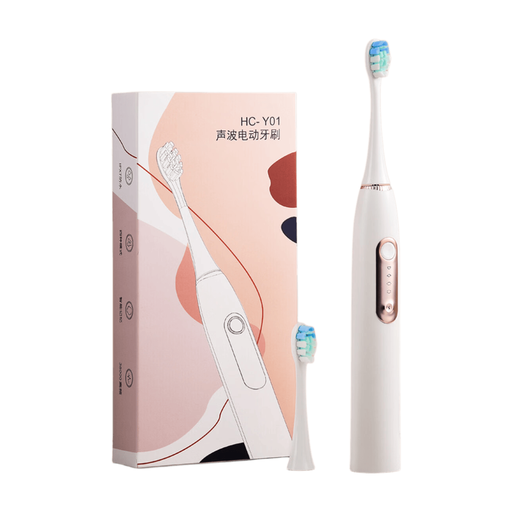
Why this fits the profile: Type-C charging and a water-resistant body are practical for users who want flexible charging and to use the toothbrush in the shower.
The product information mentions a two-minute timer and a signal every 30 seconds. Before charging, make sure the Type-C port is completely dry.
40,000 movements per minute according to the product description, Type-C charging and IPX7 water resistance.
We’ve put together a full, up-to-date list of products that fully meet these strict selection criteria and comply with current European safety regulations.
The lifespan depends on usage, battery type, maintenance and the availability of brush heads. Rinse the brush head after every use, let it dry upright and check the handle and charging cable regularly for damage. Replace a brush head according to the manufacturer’s instructions, or sooner if the bristles are worn.
If you have sensitive gums, choose a model with a pressure sensor, Sensitive mode and soft or extra-soft brush head. Brush with light pressure. If sensitivity, pain or bleeding gums persist, it’s wiser to consult a dentist rather than just changing your brushing mode.
Besides the handle, you pay for electricity and replacement brush heads. The electricity costs are usually minimal; the brush heads more often determine the ongoing expense. So compare the number of heads included, compatibility and the price of refills before you make a purchase.
