
Vandaag of morgen in huis

Kwaliteit gegarandeerd

Welkomstaanbiedingen ontgrendelen: GRATIS bezorging | Tot 80% korting | Gratis 30 dagen JoyPlus-proefperiode
Download de app
An electric toothbrush can make brushing easier, but not every model suits every user. Many consumers focus mainly on the number of vibrations, a glossy display or long battery life. As a result, practical details can be overlooked: how long does a charge really last, are replacement brush heads available, and can you rinse the device safely?
As a Joybuy Product Recommendation Officer, I focus on verifiable specifications and everyday use. Read on to find out which pitfalls to avoid, which features matter and which models suit different needs.
A sonic electric toothbrush with 38,000 or 40,000 movements per minute sounds appealing. But this figure alone doesn’t determine how comfortable or practical the toothbrush is to use. The brush head, intensity settings, timer and the way you move the brush are all important too.
According to the product description, the usmile Y1S delivers up to 38,000 movements per minute. The Rushi R-C31 is listed with 40,000 movements per minute and a movement angle of 5° to 28°. Treat figures like these as technical information, not as a guarantee of a particular result.
An IPX7- or IPX8-rated electric toothbrush can withstand water better than a model without a clear rating. However, there are limits to the level of protection. The charging port must be dry before you connect a cable. An IPX7 rating also doesn’t automatically mean you can use the toothbrush in the shower for extended periods.
Always check the manual and product information. On models with a USB-C port, make sure the cover is properly closed before rinsing the handle.
An electric toothbrush with long battery life is handy for travelling, but check how the manufacturer describes its operating time. The number of brushing sessions depends on the setting and intensity you choose, as well as how often you use it. Check the type of charger too. USB-C is convenient if you already have a suitable adapter, while some models use their own charging station or charging glass.
An electric toothbrush with a timer helps you stick to a set brushing time. Many models signal every 30 seconds to prompt you to move to another area, then stop after two minutes. Others have a three-minute timer. Choose a system that suits your habits.
Multiple modes are especially useful if you want to switch between everyday cleaning and a gentler setting. Note the difference between brushing modes and intensity levels:
A toothbrush for sensitive gums should offer more than just a Soft mode. Use gentle pressure too, and stop if discomfort persists. If you already have oral health problems, it’s wiser to seek advice from a dentist than to rely on a product feature.
A rechargeable toothbrush with USB-C is practical at home and on the go. Check:
An electric toothbrush with a travel case is particularly useful if you travel frequently between the Netherlands and other countries. A hard case protects the brush head and prevents the button from being pressed accidentally in a wash bag.
Rinse the brush head after use, then leave the handle upright to dry in a well-ventilated place. Replace the brush head according to the product instructions; for the models mentioned here, the suggested interval is often around three months. Replace a damaged brush head sooner.
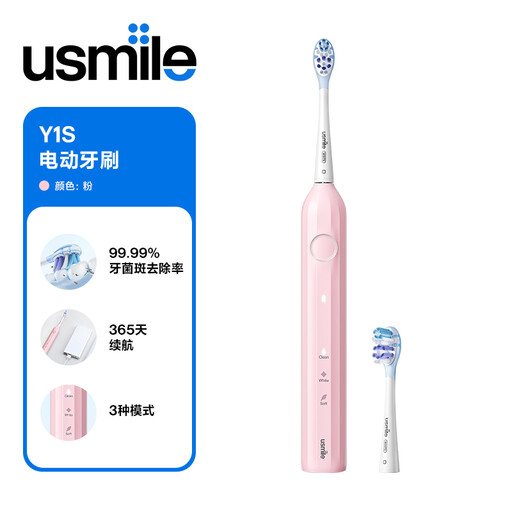
Why it suits this profile: This model combines three brushing modes, a timer and USB-C charging, without complicated controls. Its stated battery life of up to six months is practical for everyday use and travel.
The product information lists the charging standard, timer, brushing modes and included travel case. So you don’t have to rely on the vibration figure alone.
Three modes, a 30-second reminder, automatic shut-off after two minutes, USB-C and a travel case.
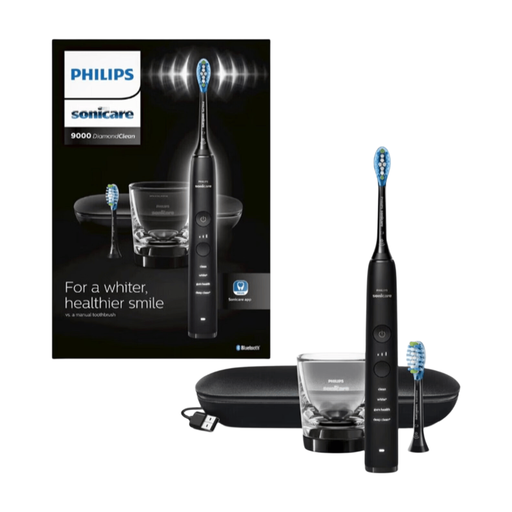
Why it suits this profile: This electric toothbrush for adults has four modes, a pressure sensor, Bluetooth, app support, a charging glass and a travel case.
The pressure sensor and timer make two important practical features clear. The product information also lists two brush heads and a charging station.
Up to 62,000 movements per minute according to the product information, four brushing modes, Bluetooth and a pressure sensor.
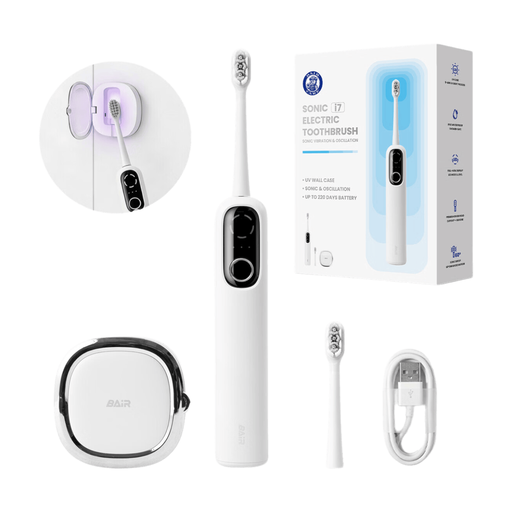
Why it suits this profile: This model is designed for users who want a choice of settings and fewer charging breaks. The product title lists 220 days of battery life, five modes, three intensity levels, USB-C and IPX8 water resistance.
The specifications cover more than water resistance: they also list intensity levels and long battery life. Be sure to check the charging and care instructions before use.
A stated battery life of 220 days, five brushing modes, three intensity levels, IPX8 and a wall-mounted UV-C storage station, according to the product title.
We’ve put together a complete, up-to-date list of products that meet these strict selection criteria and the applicable European safety requirements.
Its lifespan depends on the battery, charging method, exposure to water and the condition of the brush head. The models mentioned here have stated battery lives of around 60 to 220 days, but these are figures based on specified usage. Replace a brush head as soon as the bristles are worn or damaged.
As well as the purchase price, replacement brush heads and electricity are the main costs to consider. Electricity use per charge is generally low; the ongoing expense usually comes from the brush heads. So check before buying whether the right replacement heads are available separately.
A smart electric toothbrush with Bluetooth, a display or a brushing map can give you feedback on brushing time and coverage. This is useful for tech-savvy users who want to keep track of their routine. For others, a timer, a suitable brushing mode and a comfortable grip are enough. Choose features you’ll actually use, not just ones listed in the product title.
