
Vandaag of morgen in huis

Kwaliteit gegarandeerd

Welkomstaanbiedingen ontgrendelen: GRATIS bezorging | Tot 80% korting | Gratis 30 dagen JoyPlus-proefperiode
Download de app
An electric toothbrush can help you maintain a consistent brushing routine, but not every model suits every user. Some devices offer numerous settings that you will hardly use, while a cheaper model may lack important features such as a timer or pressure sensor. A high number of brushing movements can also give a misleading impression: more movements do not automatically mean the device is more comfortable or better suited to your teeth.
So pay particular attention to these common pitfalls:
A sonic toothbrush vibrates at a high frequency. Examples in the range list 31,000, 40,000 or 62,000 movements per minute. A rotating model, such as various Oral-B iO brushes, uses a round brush head with rotating and pulsating movements.
These figures are mainly useful for comparing models that use the same technology. They do not tell you how thoroughly you will brush. The correct brushing angle, gentle movements and brushing for two minutes remain important.
A toothbrush with a timer usually gives a signal every 30 seconds to tell you to move to another area of your mouth, then stops or signals when two minutes have passed. This makes it easier to maintain an even routine.
A toothbrush with a pressure sensor is useful for adults who often press firmly or have a sensitive mouth. Check how the warning works: through a light signal, vibration or automatic reduction of the intensity. Not every model with several settings also has a pressure sensor.
A rechargeable toothbrush is practical for everyday use, but battery life varies considerably. Some models work for around two weeks, while others state in their product information that they offer up to 100 or 180 days of standby use. Always check whether this refers to actual brushing time, usage under specific conditions or a manufacturer’s stated figure.
For a waterproof electric toothbrush, the IP rating is important. IPX7 or IPX8 provides information about protection against water under certain test conditions. The charging base and USB port are not automatically waterproof. For models with Type-C charging, make sure the connection is completely dry before connecting the cable.
An electric toothbrush for adults does not need to have the most settings or the highest brushing frequency. First think about your routine:
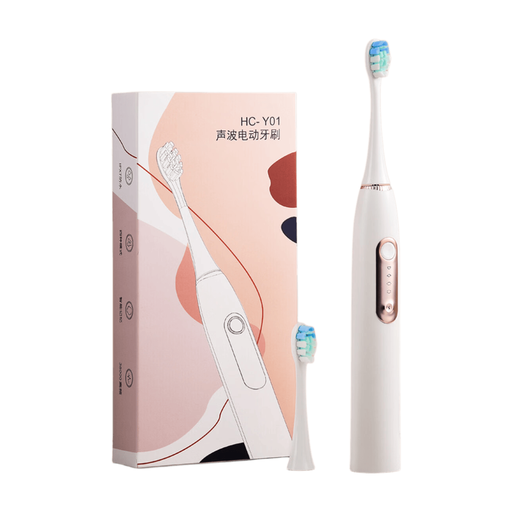
Why it suits this profile: This model offers a straightforward switch to electric brushing, with Type-C charging, a two-minute timer and a signal every 30 seconds.
The key routine features are clearly stated. Before buying, however, check that the available brushing mode and brush heads match your preferences.
40,000 stated movements per minute, an IPX7 water-resistant casing and a Type-C connection.

Why it suits this profile: Suitable for users who want plenty of guidance and adjustment options, including seven brushing modes, a display, pressure sensor and app connectivity.
According to the product information, the pressure sensor gives different signals when you are brushing too hard, too softly or correctly. This is more specific than simply offering a general intensity setting.
Seven brushing modes, timer, Bluetooth functionality, travel case and a stated charging time of three hours.
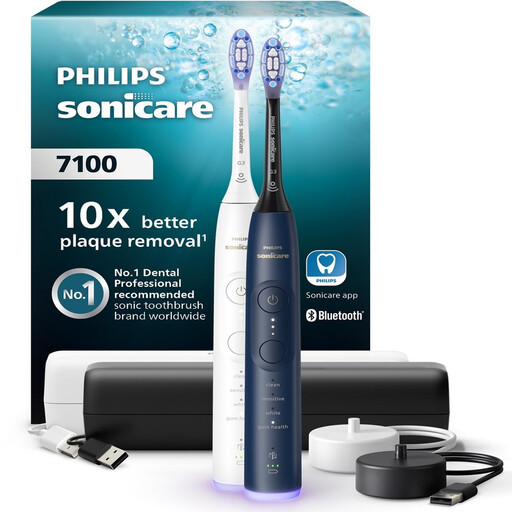
Why it suits this profile: A practical choice for two people or for anyone who wants to combine several brushing modes, a travel case and app support.
The set contains two handles and two brush heads. This means you do not have to share one handle or buy a second device straight away.
Four modes, three intensities, pressure sensor, 62,000 stated movements per minute and a travel case.
We have put together a complete, up-to-date list of products that fully meet these strict selection criteria and the applicable European safety requirements.
Its lifespan depends on the battery, charging station, motor and maintenance. Rinse the brush head after use, allow the components to dry and replace the brush head according to the product information. Many models recommend replacing it roughly every three months, or sooner if the bristles become worn. Also check whether replacement heads are available and reasonably priced.
This varies by model and usage. A Philips Sonicare Series 3100 states a battery life of up to 14 days, while other models quote a much longer standby period. Focus mainly on the actual usage time, the charging method and whether you can take a USB cable or charging station with you when travelling.
In that case, choose a model with a sensitive mode, adjustable intensity and, preferably, a pressure sensor. Start gently and do not apply extra pressure. Persistent pain, irritation or bleeding are not reasons simply to change the brushing mode; contact a dentist instead. Use the device only in accordance with the manual and the manufacturer’s instructions.
