
Vandaag of morgen in huis

Kwaliteit gegarandeerd

Welkomstaanbiedingen ontgrendelen: GRATIS bezorging | Tot 80% korting | Gratis 30 dagen JoyPlus-proefperiode
Download de app
An electric toothbrush can help you brush more regularly and systematically, but not every model is right for every user. A high price, lots of brushing modes or an app don’t automatically mean you need those features.
Focus instead on the features that make a difference day to day: the pressure sensor, timer, battery life, brushing technology and the cost of replacement brush heads. Read on to find out which marketing claims to treat with caution and which models suit different needs.
Brands often quote a high number of movements per minute. On its own, that figure doesn’t tell you how comfortable a brush feels or how easily you can reach every area. A sonic toothbrush works differently from a rotating Oral-B model. So only compare models that use the same brushing technology, and consider the available modes and brush head too.
An electric toothbrush with a pressure sensor is useful if you tend to brush too hard. However, the way the warning is given varies. Some models vibrate, while others use a light or colour indicator. Check that you’ll be able to notice the feedback while brushing.
A sensor is no substitute for good brushing technique, either. Move the brush gently along your teeth and let the device do the work. If you have persistent sensitivity or bleeding gums, it’s wiser to ask a dentist for advice than simply choose a different programme.
An electric toothbrush with an app can track brushing time, areas and pressure. That’s useful if you like having feedback, but unnecessary if you’re mainly looking for a simple daily routine. Also check that the app is compatible with your phone and whether you want Bluetooth switched on while brushing.
For many adults, a pressure sensor is more important than a large number of programmes. If you brush gently, you may benefit from a Sensitive or Gum Care mode. An electric toothbrush for healthy gums isn’t a medical solution, but a model with a gentle mode and pressure warning can help you brush more gently as part of your daily routine.
Look out for the differences between:
An electric toothbrush with a timer usually signals after 30 seconds to prompt you to switch areas, then stops or gives a warning after two minutes. The Philips Sonicare Series 3100, for example, lists a two-minute Smartimer and a 30-second QuadPacer. This makes it easy to keep track of brushing time without checking a clock.
Don’t just look at the claimed battery life; consider how the toothbrush charges too. A USB charging station is handy when travelling, while a magnetic charger can be used quickly in a fixed spot. An electric toothbrush with a travel case protects the brush head in your wash bag, but check whether the case also has room for a charger and spare brush heads.
Remember to factor in ongoing costs too. According to the product information, brush heads should generally be replaced about every three months, or sooner if the bristles are worn. Before buying, check which replacement heads are available and how much they cost.
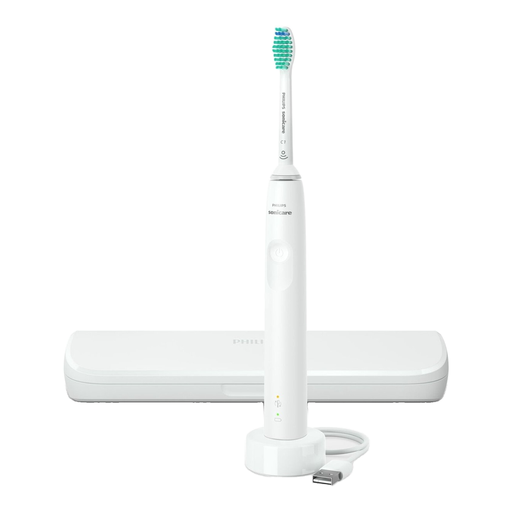
Why it suits this user: A straightforward model for anyone switching from manual brushing who doesn’t need an app or an extensive choice of programmes. The stated battery life is up to 14 days, and the compact USB charger is handy when you’re out and about.
The built-in pressure sensor warns you when you’re brushing too hard. The two-minute timer and QuadPacer help prevent brushing for too little time or unevenly.
31,000 movements per minute according to the product specifications, USB charging station, travel case and BrushSync replacement reminder.

Why it suits this user: For anyone who wants to combine interactive guidance and multiple modes with a comprehensive charging solution.
The product specifications list a pressure sensor, seven brushing modes, a colour display and app support. This gives you a clear idea of what the smart features offer.
AI brushing recognition, 3D tracking via the app and magnetic fast charging according to the product description.
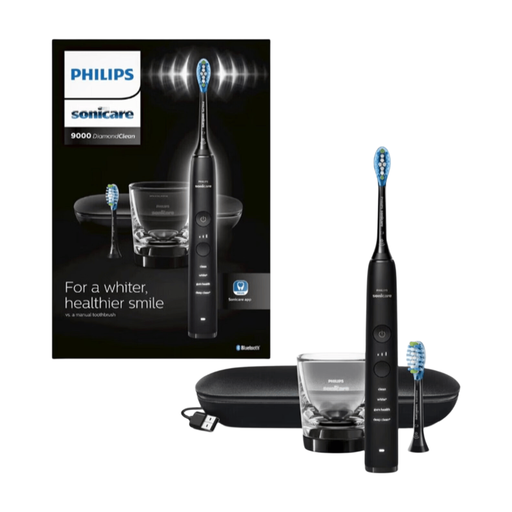
Why it suits this user: Ideal if you want to use several programmes and app guidance, with a permanent charging solution that includes a charging glass.
As well as app support, the product specifications list a timer, pressure sensor and four clearly named brushing modes. This makes it easier to match each feature to a specific need.
62,000 movements per minute according to the product specifications, two brush heads included, Bluetooth and a travel case.
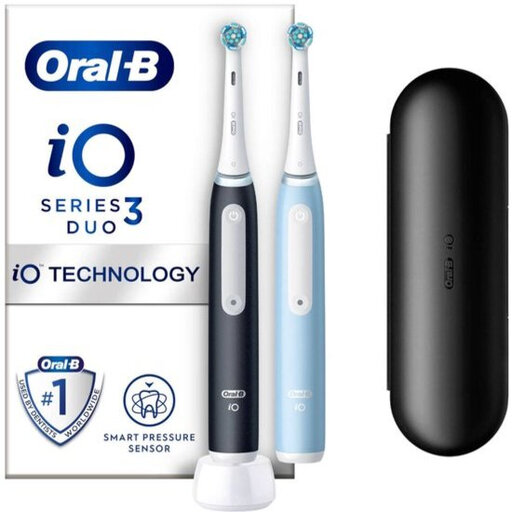
Why it suits this user: A practical choice if two people each want their own handle without having to buy two separate sets.
The pack includes two handles, two brush heads and a travel case. That way, you know exactly what you’re getting for your household.
Pressure sensor, three brushing modes, 30-second timer and two lithium-ion batteries according to the product information.
We’ve put together a complete, up-to-date list of products that meet these strict selection criteria and the applicable European safety regulations.
Its lifespan depends on the battery, charging station, water resistance and maintenance. Replace the brush head according to the product instructions, usually about every three months. Clean the handle and brush head after use, and only charge the toothbrush as instructed. The statutory guarantee in the EU is at least two years, and additional rights may apply under Dutch law.
As well as the purchase price, you’ll mainly pay for replacement brush heads. Work out in advance how many heads you’ll need each year and whether you want to use an original or compatible type. If you buy a duo pack, remember to factor in the cost of two handles and two sets of brush heads.
There’s no one-size-fits-all answer. A sonic toothbrush uses rapid vibrations, while a rotating model works with a round brush head. Consider which shape you find comfortable, whether it has a pressure sensor and whether suitable replacement brush heads are available. The best choice is the brush you’ll use consistently and without applying too much pressure.
