
Vandaag of morgen in huis

Kwaliteit gegarandeerd

Welkomstaanbiedingen ontgrendelen: GRATIS bezorging | Tot 80% korting | Gratis 30 dagen JoyPlus-proefperiode
Download de app
An electric toothbrush can make brushing easier, but more settings and a higher price don’t automatically mean the device is right for you. The best choice depends mainly on your brushing technique, sensitivity, travel habits and the cost of replacement brush heads.
Look out for these common pitfalls:
A toothbrush with a pressure sensor warns you when you’re pressing too hard. This is especially useful if you’re used to scrubbing firmly or find it difficult to maintain even pressure by hand. The warning may come as a vibration, light or automatic reduction in intensity.
An electric toothbrush with a timer also helps you stick to the recommended brushing time. Many models divide the session into 30-second intervals, prompting you to move between quadrants. A timer doesn’t replace good technique, but it can help prevent you from brushing for too little time.
A sonic toothbrush moves the bristles rapidly back and forth. Product specifications often express this as movements per minute. For example, the Philips Sonicare models in this selection list 31,000 or 62,000 movements per minute.
Oral-B iO models use a round brush head with rotating, vibrating and pulsing movements. According to Oral-B’s product description, the round design is intended to reach individual teeth. This is a claim made by the brand; results also depend on how carefully and thoroughly you brush.
Neither system is automatically right for everyone. If you prefer a gentle, consistent movement, you might consider a sonic model. If you prefer to brush tooth by tooth, a rotating model may be more practical.
When choosing a rechargeable toothbrush, check:
Stated battery life depends on how often you brush, the intensity you choose and the age of the battery. A slow charger isn’t necessarily a problem for home use, but it can be inconvenient if you often forget to charge your toothbrush.
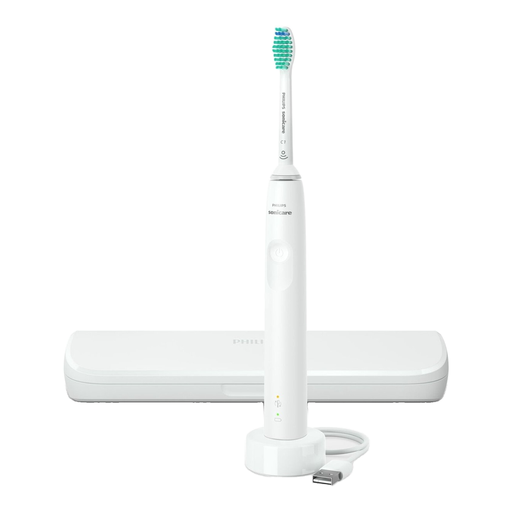
Why it suits this profile: This model focuses on the essentials: sonic cleaning, a pressure sensor, a timer and up to 14 days of battery life, according to the product description. The USB charging station is handy at home and on the go.
You don’t pay for extensive app features you may not need. The timer and pressure sensor tackle the most common brushing problems directly.
Up to 14 days of battery life according to the product information, USB charging station, 2-minute timer and brush head replacement reminder.
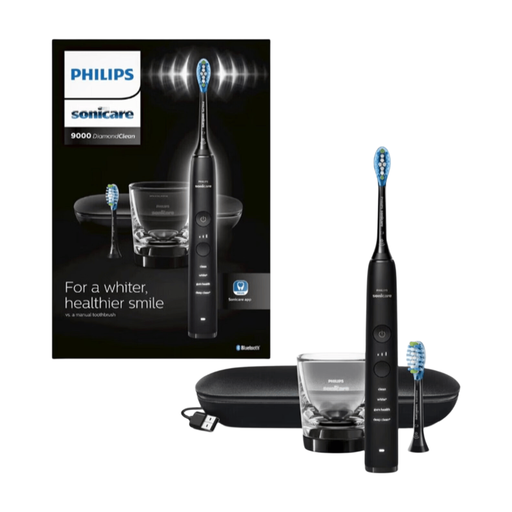
Why it suits this profile: For anyone who values several brushing programmes, an app and a stylish charging solution. According to the product details, the set includes two brush heads, a travel case and a glass-shaped charging base.
The features are clearly set out: four brushing modes, a pressure sensor, a timer and smartphone compatibility. This means you can decide in advance which features you’ll actually use.
62,000 movements per minute according to the product specification, four modes, Bluetooth, two brush heads and a travel case.
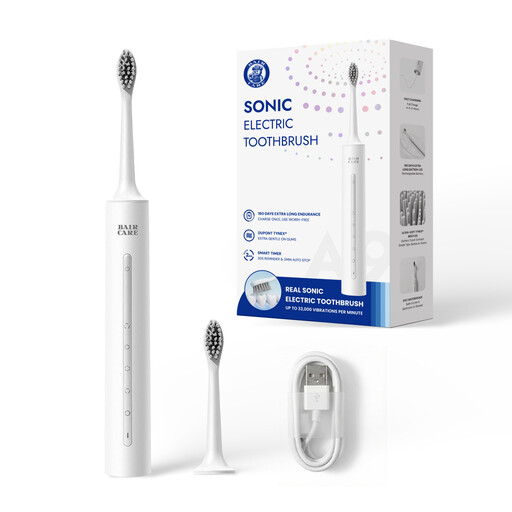
Why it suits this profile: This model is designed for users who want long battery life and several settings. The product title lists 180 days of battery life, five cleaning modes, three intensity levels, a smart timer and IPX7 water resistance.
The long stated battery life means fewer charging sessions. Before buying, check which brush heads are available and dry the charging port in line with the safety instructions.
Five modes, three intensity levels, a timer and IPX7 water resistance according to the product information.
An electric toothbrush twin pack can be handy for partners or housemates. Check whether the set really includes two handles, two charging solutions, enough brush heads and, if relevant, two travel cases.
The Philips Sonicare 7100 twin pack lists two handles, two brush heads, four modes, three intensity levels, a pressure sensor and an app with a 3D mouth map. The Oral-B iO 3 twin pack lists two handles, two brush heads, a travel case, three brushing modes and a light signal to indicate brushing pressure. If you’re buying a twin pack, also check whether both users find the same brush heads comfortable.
We’ve put together a complete, up-to-date list of products that meet these strict selection criteria and the applicable European safety requirements.
Its lifespan depends on the battery, charging station, handle and how you use it. Replace the brush head according to the manufacturer’s instructions, often after around three months or sooner if the bristles are worn. A shorter battery life, a faulty button or a damaged brush head are signs that parts or the whole device may need replacing.
As well as the purchase price, you’ll pay for brush heads and electricity. A small charging station typically uses little electricity, but brush heads are an ongoing expense. Compare the price of original and compatible brush heads in advance, and check that they’re easy to find.
Apply a small amount of toothpaste to the brush head, choose a suitable intensity and move the head gently along your teeth. Don’t press hard; let the motor do the work. Follow the timer and pay attention to the gumline and hard-to-reach areas. Stop if you experience irritation or discomfort, and ask your dentist for advice if the problem persists.
