
Vandaag of morgen in huis

Kwaliteit gegarandeerd

Welkomstaanbiedingen ontgrendelen: GRATIS bezorging | Tot 80% korting | Gratis 30 dagen JoyPlus-proefperiode
Download de app
An electric toothbrush can be a practical upgrade if you want to brush for longer, more evenly or with fewer manual movements. However, there is a wide range to choose from. A low price does not automatically mean lower running costs, while an expensive model may not offer the right features for everyone.
Pay particular attention to three common pitfalls:
A rotating toothbrush usually uses a round brush head that rotates, pulses or creates micro-vibrations. Oral-B iO models fall into this category. The round head requires you to move slowly from tooth to tooth without pressing too hard.
A sonic toothbrush works with rapid vibrations and an elongated brush head. Philips Sonicare models use this technology. According to the Philips Sonicare product description, the Series 3100 produces 31,000 brush movements per minute. The Philips Sonicare 7100 and 5500 are listed as producing 62,000 movements per minute. These figures are technical specifications, not a guarantee of personal results.
Focus primarily on comfort and ease of use. If you prefer a round head, consider Oral-B iO. If you are used to a broader sonic brushing motion, you may want to consider a Philips Sonicare electric toothbrush.
An electric toothbrush with a pressure sensor warns you when you are brushing too hard. On various Oral-B iO models, this is done with a light signal; some versions also provide vibration feedback. According to the product information, the Oral-B iO2 automatically reduces its speed when too much pressure is applied.
A timer helps you stick to the recommended brushing time. Many models give a signal every 30 seconds to prompt you to move to another part of your mouth. The Philips Sonicare Series 3100 has a two-minute Smartimer and a 30-second QuadPacer. These are useful basic features for beginners and anyone who often brushes for too short a time.
A sensor only works if you respond to the warning. So view this feature as an aid, not a replacement for a gentle brushing technique.
As well as the stated battery life, check the charging time, the type of charging station and the accessories included. A model with a long battery life is useful if you travel frequently. An electric toothbrush with a travel case also prevents the brush head from sitting loose in your wash bag.
Also check the availability and price of suitable replacement brush heads. The product information for several Oral-B and Philips models recommends replacing them after approximately three months, or sooner if the bristles are worn. Total costs therefore consist of the purchase price, replacement heads and any additional accessories.
For people with sensitive gums, a gentle mode or a model with multiple intensity levels is worth considering. Persistent irritation or bleeding should be discussed with a dentist; an electric toothbrush is not a medical device for treating symptoms.
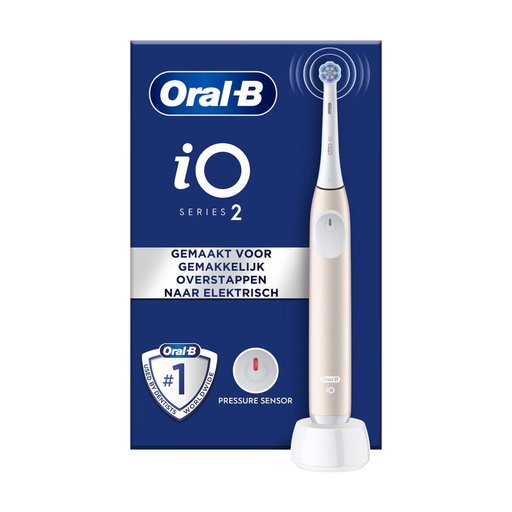
Why it suits this profile: This model has one button, three intensity levels and a timer. That makes the switch from a manual toothbrush straightforward.
You are not paying upfront for an extensive app or a large number of modes. The automatic pressure sensor and 30-second warning focus on the essentials.
Three gentle intensity levels, an automatic pressure sensor and a two-minute timer.
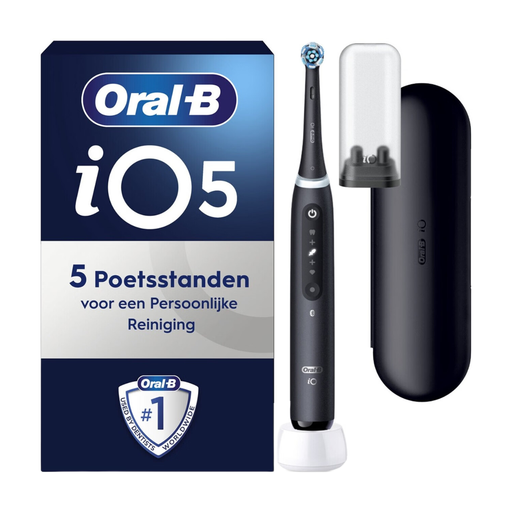
Why it suits this profile: The Oral-B iO5 offers five brushing modes and connects to the Oral-B app for anyone who wants to monitor their brushing habits in more detail.
The features are clearly specified: five modes, a pressure sensor with feedback and a timer. However, check beforehand whether you are actually going to use the app.
Five brushing modes, a lithium-ion battery, a round brush head and app support according to the product description.
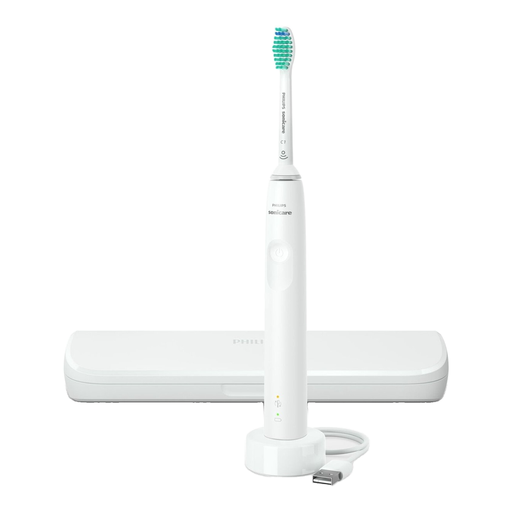
Why it suits this profile: The stated battery life is up to 14 days, and the set includes a compact USB charging solution and travel case.
The battery life and accessories are clearly specified, so you do not have to rely solely on a general claim about portability.
Sonic technology, a pressure sensor, a two-minute timer and battery life of up to 14 days according to Philips.
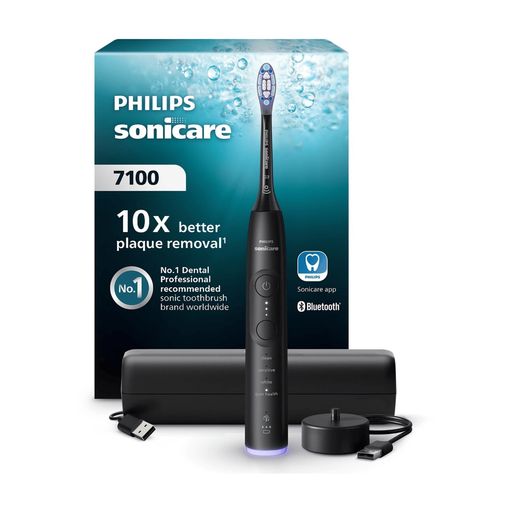
Why it suits this profile: This model is designed for users who want to combine multiple modes, intensity settings, an app and a travel case.
The product information lists four modes, three intensities, a pressure sensor and a replacement reminder. This allows you to weigh up the features instead of focusing solely on the number of vibrations.
Four brushing modes, three intensities, app support and a Premium Gum Care brush head according to the product description.
We have compiled a complete, up-to-date list of products that fully meet these strict selection criteria and the applicable European safety regulations.
Apply toothpaste, place the brush head against your teeth and then switch the device on. Move the head gently along your teeth and let the motor do the work. Do not press hard. Use the timer to brush for approximately two minutes and change zones at each signal. Rinse the brush head after use and let it dry before storing it.
Usage time per charge varies by model. The product specifications may state, for example, up to 14 days for the Philips Sonicare Series 3100 and up to 60 minutes of use for certain Oral-B iO versions. Overall service life depends on the battery, charging habits, hygiene and any damage. Replace the brush head generally every three months, or sooner if the bristles are worn.
The purchase price and replacement brush heads make an electric toothbrush more expensive to run. In return, you get a timer, pressure sensor and consistent brushing motion. So do not compare only the price of the handle. Also consider the cost of compatible brush heads, the accessories included and the warranty. Most of the models mentioned come with at least two years’ statutory guarantee under EU consumer rules.
