Making the switch from a manual to an electric toothbrush is a logical step towards superior oral care. But the market is saturated with options: sonic, AI-powered, with multiple cleaning modes, or special features for teeth whitening. The wrong choice can be a waste of money and may not deliver the desired results. This article will help you understand the key specifications, so you can choose a model that perfectly suits your dental needs and preferences.
Buyer's Guide: Key Specifications to Consider
When comparing models, it's helpful to focus on a few key technical features. These determine the toothbrush's effectiveness and overall user experience.
- Brushing Technology: Most electric toothbrushes use sonic technology. This involves the brush head vibrating at an extremely high frequency (tens of thousands of movements per minute). These vibrations drive fluid and toothpaste between teeth and along the gumline, ensuring a thorough clean. A more recent innovation is DentalRF technology, which uses radio waves to tackle impurities at a molecular level.
- Cleaning Modes and Intensity: Standard models often come with one or two modes, such as 'Clean' (for daily cleaning) and 'Sensitive' (for sensitive teeth). More advanced models offer additional modes for gum care or teeth polishing. Adjustable intensity levels give you the control to tailor the brushing power to your comfort level.
- Pressure Sensor: A toothbrush with a pressure sensor is a crucial feature for protecting your gums. Brushing too hard can cause damage and gum recession. The sensor alerts you with a light signal or a change in vibration when you apply too much pressure.
- Battery Life: A rechargeable toothbrush is now the standard. Battery life varies significantly between models, ranging from about two weeks to several months on a single charge. If you travel frequently or prefer not to charge constantly, a long battery life is a key selection criterion.
- Smart Features: Many toothbrushes include a built-in timer that signals the end of the recommended two-minute brushing time, often with 30-second intervals to prompt you to switch quadrants. Some models go a step further with AI and built-in displays that provide real-time feedback on your brushing coverage.
Our 2026 Electric Toothbrush Recommendations
Based on the specifications above, we've curated a selection of models with distinct features.
Philips Sonicare Series 6100: For a Gentle and Effective Clean
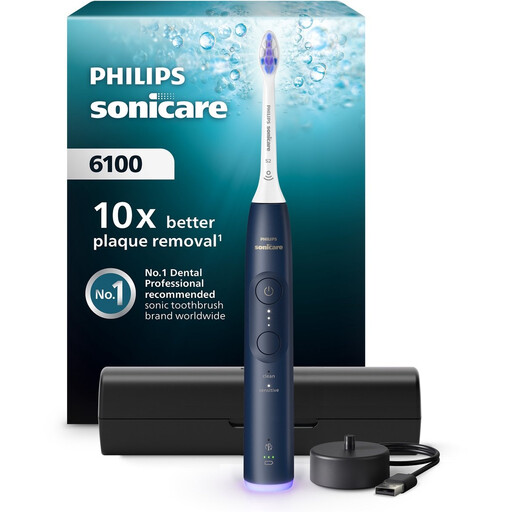
- Why this product: The Philips Sonicare 6100 is a solid choice that focuses on the core features for excellent oral hygiene, with special attention paid to sensitive teeth. The combination of a pressure sensor and a dedicated 'Sensitive' mode makes this model highly suitable for users with sensitive gums.
- Pros:
- Brushing Technology: Sonic, with 62,000 brush movements per minute.
- Cleaning Modes: Two modes (Clean, Sensitive) and three adjustable intensity levels.
- Smart Features: Built-in pressure sensor and BrushSync technology that indicates when the brush head needs replacing.
- Battery Life: Lasts up to three weeks on a full charge.
- Who is this for: This model is ideal for those switching from a manual toothbrush who want a reliable device that cleans effectively without irritating the gums.
SAKYPRORAL AI Electric Toothbrush: For the Data-Driven Brusher
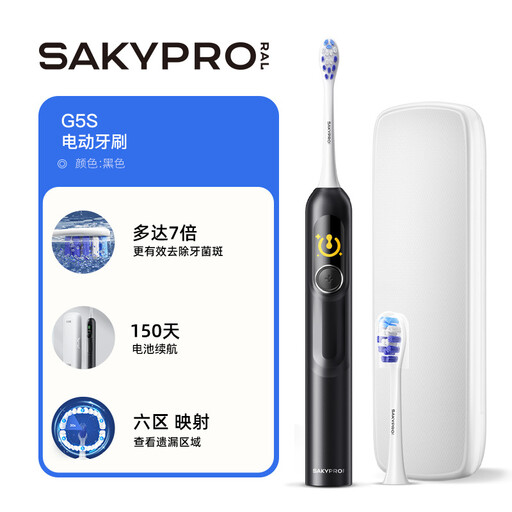
- Why this product: This toothbrush stands out with its smart display and exceptionally long battery life. The AI feature provides real-time feedback via an on-screen map, showing which zones of your mouth you've brushed to ensure you never miss a spot.
- Pros:
- Smart Features: AI guidance with a real-time map on the built-in display and a 3-minute timer.
- Battery Life: An extremely long battery life of up to 150 days on a single charge, making it an excellent travel companion.
- Ease of Use: Feedback is displayed directly on the toothbrush, eliminating the need for a smartphone app.
- Who is this for: Perfect for the tech enthusiast who wants to optimise their brushing routine with instant feedback. It's also a great option for teenagers learning proper brushing technique, or for travellers, thanks to its long battery life.
ToothWave TW1PE4001: Focus on Tartar and Teeth Whitening
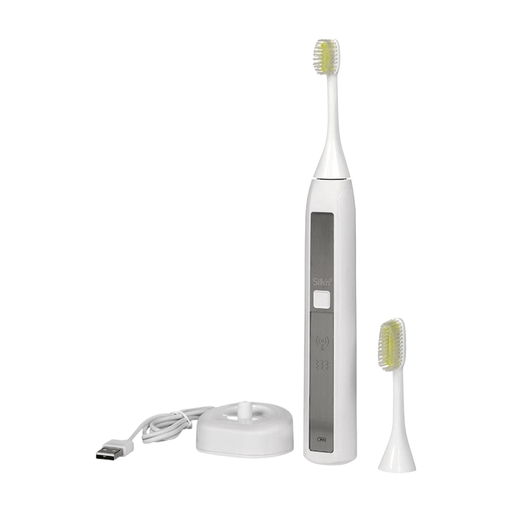
- Why this product: The ToothWave uses patented DentalRF technology. According to the manufacturer, this technology is designed to loosen impurities like tartar from the tooth surface at a molecular level. This represents a different approach from the mechanical cleaning of traditional sonic toothbrushes.
- Pros:
- Brushing Technology: DentalRF technology combined with 48,000 sonic vibrations per minute.
- Specific Claims: The manufacturer claims the technology helps remove tartar and stains, promoting whiter teeth and healthier gums.
- Practical Features: The device is waterproof (IP67), making it safe for use in the shower, and comes with two brush heads.
- Who is this for: For users specifically looking for a solution to stubborn stains and tartar, and who are interested in the latest oral care technologies.
Haven't Found What You're Looking For?
These three models represent different approaches to electric brushing. One focuses on gentleness and reliability, another on smart feedback, and the third on innovative cleaning technology. Your ideal electric toothbrush will depend on your personal needs and budget.
You might be looking for a model with more cleaning modes, a different design, or a specific price point. For a broader overview of the available options, feel free to browse our full collection.
Explore our full range of pro electric toothbrushes for more models.
Frequently Asked Questions About Electric Toothbrushes
What is the difference between a sonic and a rotating toothbrush?
A sonic toothbrush has a brush head that vibrates back and forth at a high frequency. This motion creates fluid dynamics that clean even in hard-to-reach areas. A rotating toothbrush has a round, rotating (and often pulsating) brush head that cleans tooth by tooth. The choice is a matter of personal preference; both technologies can effectively remove plaque when used correctly.
How often should I replace the brush head on my electric toothbrush?
Dentists and manufacturers recommend replacing the brush head every three months. The bristles wear down over time, which reduces brushing effectiveness. Some toothbrushes, like the Philips Sonicare 6100, have a built-in reminder that indicates when it's time for a new brush head.
Is an electric toothbrush with a pressure sensor really necessary?
A pressure sensor is an extremely useful feature, especially for people who tend to brush too hard. It protects your gums from damage and helps you learn a better brushing technique. For people with sensitive or receding gums, a model with a pressure sensor is highly recommended.
Written by: Joybuy Product Recommendation Officer