
Vandaag of morgen in huis

Kwaliteit gegarandeerd

Welkomstaanbiedingen ontgrendelen: GRATIS bezorging | Tot 80% korting | Gratis 30 dagen JoyPlus-proefperiode
Download de app
An electric toothbrush can make brushing easier, but not every model suits every user. A low price says little about battery life, while a long list of brushing modes does not automatically mean you need them all. If you want to buy an electric toothbrush, it is therefore worth comparing the key specifications first.
Brands often mention thousands of movements per minute. That sounds convincing, but the figure does not tell you how comfortable the brush is to use. A sonic toothbrush works differently from a rotating model. So also pay attention to the brushing technology, brush head, noise level and availability of replacement brush heads.
A toothbrush with multiple brushing modes can be useful for different preferences. However, two or three clearly defined modes are enough for many users. In particular, check whether a sensitive mode is available and whether the controls remain easy to use.
A manufacturer may measure battery life under specific conditions. Everyday use depends on brushing time, intensity and the number of users. So look at both the stated usage time and the charging time. For a household, an electric toothbrush duo pack may be more practical than sharing a single handle.
An electric toothbrush with a pressure sensor usually gives a light signal, vibration or speed adjustment when you apply too much pressure. This is a practical feature for people who are used to scrubbing hard or who want to pay extra attention to their brushing routine.
Check how the sensor works in the product information. Some models only warn you with a light, while others reduce the speed. The sensor does not replace personal advice from a dentist.
An electric toothbrush with a timer helps you stick to the recommended brushing time. Many models give a signal every 30 seconds to indicate that you should move to another part of your mouth. This makes it easier to distribute brushing time evenly.
A timer is particularly useful for children and for users who tend to stop brushing too soon. Also check whether the timer stops, pulses or simply gives an alert after two minutes.
A rechargeable toothbrush usually comes with a charging station, USB cable or magnetic charger. Check:
Long battery life is particularly useful when travelling. A charging station is more convenient for a permanent place in the bathroom. Only charge the device according to the instructions and keep the connection dry.
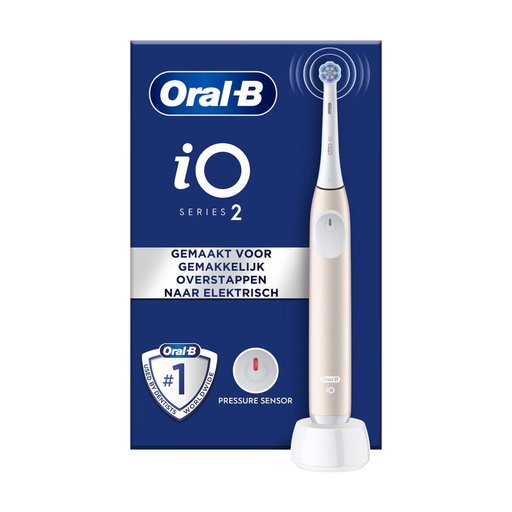
Why it suits this profile: One-button control and three quiet intensity levels make the switch from a manual toothbrush straightforward.
You are not paying for a large number of modes: this model lists three levels, a pressure sensor and a timer with signals every 30 seconds.
Three intensity levels, automatic pressure sensor and two-minute timer according to the product description.
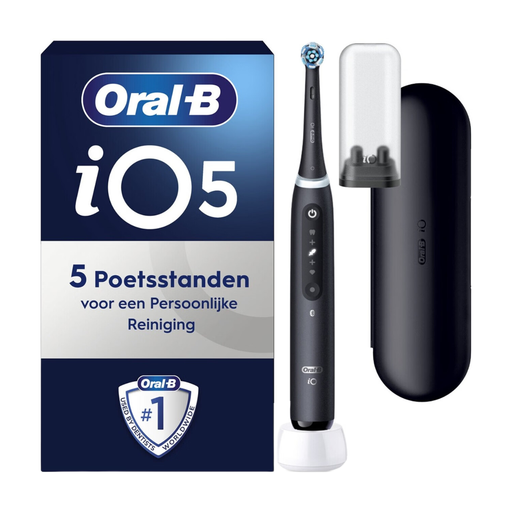
Why it suits this profile: Suitable for users who want to use multiple settings and digital brushing guidance.
The five listed brushing modes are clearly described. The pressure sensor indicates whether you are brushing too hard, too softly or just right.
Five brushing modes, light and vibration sensor, timer and a lithium-ion battery with a stated usage time of 60 minutes.
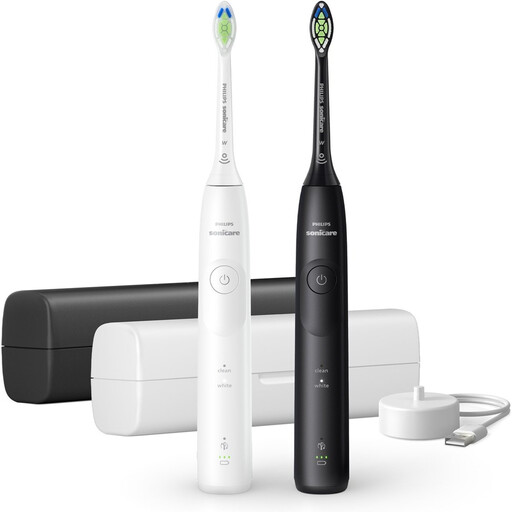
Why it suits this profile: A practical choice for partners or housemates who each want their own handle.
The set contains two handles, two brush heads and two travel cases. That means you do not have to share a charger or brush head.
Sonic technology, two brushing modes, pressure sensor, timer and a stated battery life of up to three weeks.
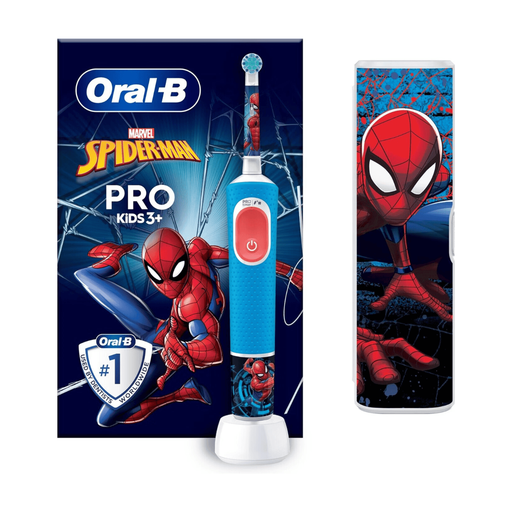
Why it suits this profile: According to the product information, this electric children’s toothbrush is suitable from the age of 3 and has a smaller brush head with extra-soft bristles.
The two-minute timer with signals every 30 seconds makes brushing time easy to understand. Adult supervision is still required during use.
Extra-soft Sensitive Clean brush head, visible pressure sensor, two-minute timer and battery life of up to eight days.
We have put together a complete, up-to-date list of products that fully meet these strict selection criteria and the applicable European safety regulations.
Brush gently and let the brush head do the work. An electric toothbrush generally does not need to be moved vigorously back and forth. Rinse the brush head after use and leave it to dry upright. Usually replace the brush head after about three months, or sooner if the bristles are visibly worn. Always check the instructions for the specific model.
Supervision is important for children aged 3 and over. Keep loose brush heads and small accessories out of the reach of young children. Do not use a device, charging station or cable if it is damaged.
Lifespan varies depending on the model, battery and frequency of use. Battery capacity decreases over time. A statutory minimum two-year guarantee applies to many products under EU consumer rules, but check the terms for the specific item.
In addition to the purchase price, replacement brush heads are particularly important. So do not just factor in the handle; also compare the price and compatibility of new brush heads. A duo pack may work out cheaper per handle, but only if both handles are actually used.
A sonic model may have a sensitive mode and lower intensity. This makes the controls adjustable, but suitability varies from person to person. Choose a soft brush head, use gentle pressure and ask a dentist for advice if sensitivity persists.
