
Vandaag of morgen in huis

Kwaliteit gegarandeerd

Welkomstaanbiedingen ontgrendelen: GRATIS bezorging | Tot 80% korting | Gratis 30 dagen JoyPlus-proefperiode
Download de app
Switching to an electric toothbrush seems like a logical step for better oral hygiene. But the market is flooded with models promising everything from "AI cleaning" to a "revolutionary brushing experience." Many of these marketing claims lead to disappointment and unnecessary costs. Before you make a choice, it's important to recognise the common pitfalls.
As a Joybuy Product Recommendation Officer, I see what consumers struggle with every day. These are the three most common mistakes:
To avoid a bad purchase, it's better to focus on the specifications that truly matter. These are the factors that determine whether an electric toothbrush does its job well and is pleasant to use.
The technology is the foundation of any electric toothbrush. The two dominant systems are sonic and rotating.
There is no objectively "better" technology; the choice is personal and depends on what you find comfortable.
A good rechargeable toothbrush makes your life easier, not harder. Pay attention to the following points:
Forget the complex AI analyses and focus on features that directly contribute to better brushing technique.
Based on these practical criteria, we have selected a number of models that suit different needs and budgets.
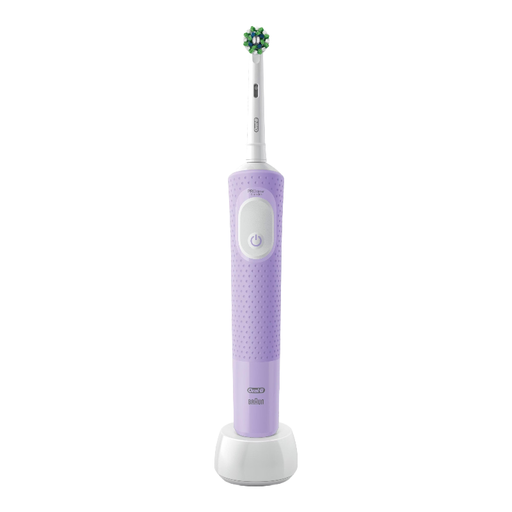
Why This Fits Their Persona: Ideal for those looking for a reliable, simple toothbrush without paying for extras you won't use. This model offers the core features for an effective clean and is an excellent first step into electric brushing.
This toothbrush focuses on the essentials: a good clean with a timer. It avoids the pitfall of expensive, unused 'smart' features and offers a no-nonsense solution.
Includes the dentist-recommended 2-minute timer and a special mode for sensitive teeth. The rotating technology is effective at removing plaque.
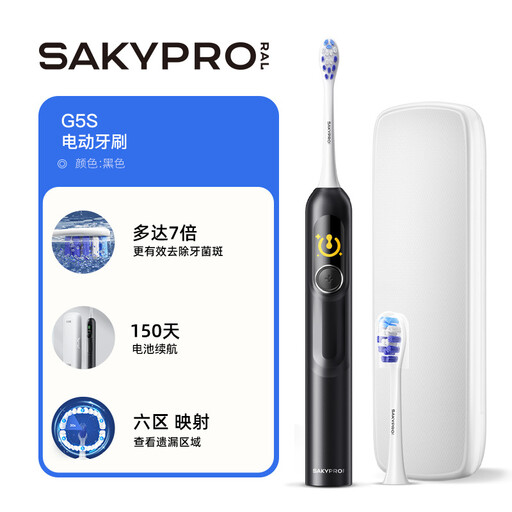
Why This Fits Their Persona: Perfect for those who are often on the go or simply don't want to charge constantly. The smart features are integrated into the device itself, making a separate app redundant.
With a manufacturer-claimed battery life of up to 150 days, this model directly addresses the frustration of a constantly dead battery. The 'smart' map feature on the display is more practical than an app you'll never open.
Extremely long battery life and a convenient display on the toothbrush itself that provides real-time feedback. Comes with a travel case.
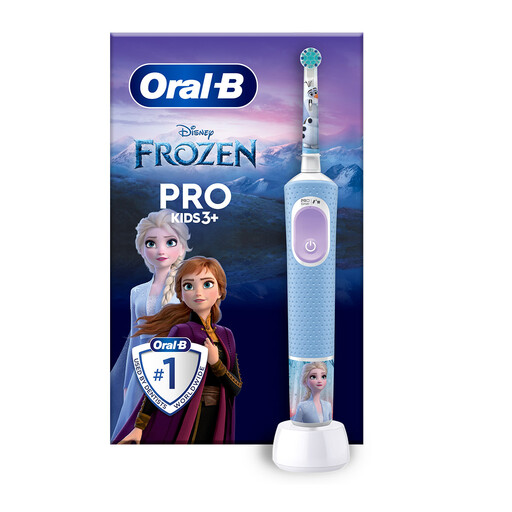
Why This Fits Their Persona: Designed to make brushing fun and effective for children (ages 3 and up). The small, round brush head and soft bristles are tailored for a child's mouth. The included stickers make personalization fun.
This model doesn't focus on adult specifications but on child-friendliness. The soft bristles and special brushing mode prevent brushing too hard on sensitive gums.
A specific electric toothbrush for children with a unique 'Sensitive+' mode. Works with the free Disney Magic Timer app from Oral-B to make brushing interactive.
We have compiled a complete, up-to-date list of products that fully meet these strict selection criteria and safety regulations.
The general recommendation from both dentists and manufacturers is to replace the brush head every three months. You should also do this sooner if the bristles are visibly frayed or bent. Some brush heads have indicator bristles that change colour to show it's time for a replacement.
Neither technique is inherently "better." Both are highly effective at removing plaque when used correctly. The choice depends on personal preference. Some people find the polishing sensation of a rotating brush more pleasant, while others prefer the gentle, sweeping motion of a sonic brush.
Yes, an electric toothbrush is generally allowed in your carry-on luggage. Since most models contain a lithium-ion battery, it is actually mandatory to carry them in your hand luggage and not in your checked baggage. It is always wise to check your airline's specific rules before you travel. A model with a good travel case is especially useful in this case.
