
Vandaag of morgen in huis

Kwaliteit gegarandeerd

Welkomstaanbiedingen ontgrendelen: GRATIS bezorging | Tot 80% korting | Gratis 30 dagen JoyPlus-proefperiode
Download de app
An electric toothbrush can be useful if you find it difficult to brush for long enough or apply even pressure. But an expensive model isn’t automatically right for you. Some buyers focus on colour, the number of brushing modes or a smart app, when the practical essentials matter more.
Look out for these three common pitfalls:
Also check that replacement brush heads are easy to find. A handle with an attractive price may work out less cost-effective in the long run if compatible brush heads are scarce or expensive.
A rotating toothbrush usually has a round brush head that makes small rotating or pulsating movements. Oral-B iO models combine this with magnetic micro-vibrations. A sonic toothbrush uses rapid vibrations along the bristles. Philips Sonicare models fall into this category.
Neither system is automatically right for everyone. A round head may feel comfortable if you like to brush one tooth at a time. A sonic brush head may feel more familiar if you’re used to a long-handled manual toothbrush. Focus on the shape, the soft brush heads available and how you’re meant to move the device.
A toothbrush with a pressure sensor lets you know when you’re pressing too hard. It may do this with a light, vibration or a reduction in speed. According to the product information, the Oral-B iO2 reduces its speed and displays a red signal when you apply too much pressure. The iO6 uses light and vibration feedback.
An electric toothbrush with a timer helps you stick to the recommended two-minute brushing time. A signal every 30 seconds divides your mouth into four zones. This is useful for adults, as well as children who might otherwise miss parts of their mouth.
Check:
A toothbrush with long battery life is especially useful for travelling or for households where the charging station isn’t kept permanently in the bathroom. Bear in mind that the manufacturer’s stated figure may differ from your actual use. Brushing several times a day, using intensive modes and an older battery can all affect how long a charge lasts.
The options below are based on verifiable product information, such as brushing modes, timers, pressure sensors, battery details and age recommendations. Claims about cleaning results are not presented as personally guaranteed outcomes.
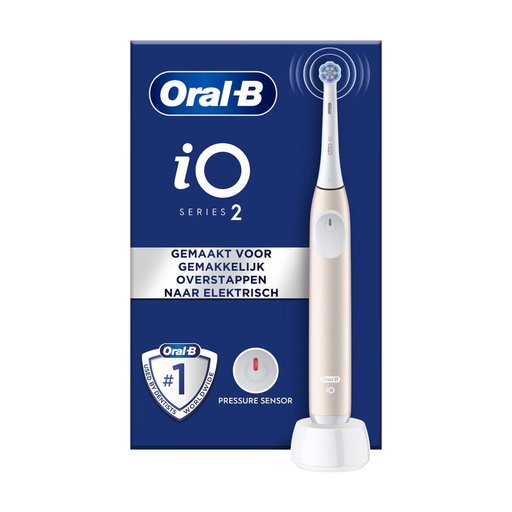
Why it suits this profile: Simple one-button controls, three intensity levels and a timer make this model easy to use if you’re switching from manual brushing.
The key features are clearly specified: three low-noise intensity levels, an automatic pressure sensor and a 30-second interval signal.
A gentle setting, red pressure warning, two-minute timer and a minimum two-year EU legal guarantee.

Why it suits this profile: A good choice for adults who plan to use guidance from a display and app, and appreciate having several brushing programmes.
The app is paired with practical features: 3D tracking, guidance across 16 zones, a colour display and a pressure sensor.
Seven smart modes, magnetic fast charging, a colour display, an integrated battery and app support.
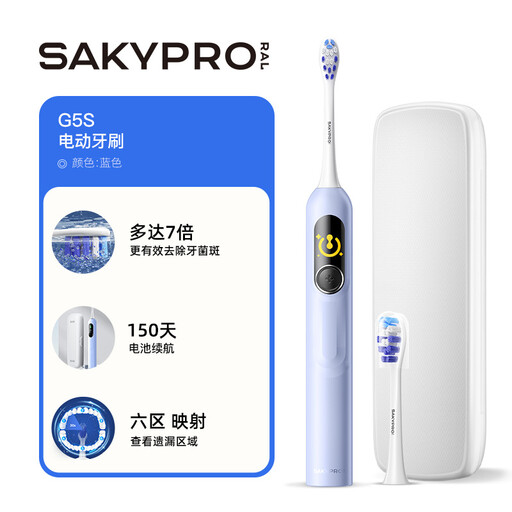
Why it suits this profile: A stated battery life of up to 150 days and an included travel case are handy for frequent travellers or intensive daily use.
The battery claim is given as a specific product specification. Before buying, check the full manual, charging method and compatibility of the brush heads.
Smart display, real-time brushing map, whitening mode, travel case and a stated battery life of up to 150 days.
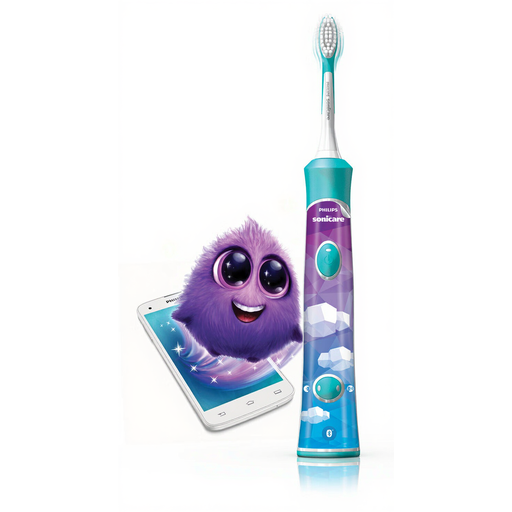
Why it suits this profile: This electric toothbrush for children has Bluetooth, a child-friendly app, two brush heads and a docking station.
The age-appropriate design helps you avoid choosing an adult handle and brush head for a young child. Adult supervision is still recommended.
Bluetooth app, timer, standard and compact brush heads, plus accessories with stickers for personalisation.
We’ve put together a complete, up-to-date list of products that meet these strict selection criteria and the applicable European safety regulations.
If you have sensitive teeth or gums, choose a gentle or extra-gentle mode, a pressure sensor and a brush head that isn’t too large. You could start on a lower intensity and guide the brush gently over your teeth. There’s no need to scrub hard with an electric toothbrush.
Persistent irritation or excessive bleeding gums aren’t a reason to switch to a more powerful device. Stop using it if you experience problems and ask a dentist for advice. Product information about “protection” or “healthier gums” isn’t a medical guarantee; experiences vary from person to person.
The handle and built-in battery can last for several years, depending on charging cycles, maintenance and use. As a general rule, replace the brush head every three months, or sooner if the bristles become misshapen. Check the cable, charger and handle regularly for damage.
As well as the purchase price, your main costs are replacement brush heads and electricity. Charging usually uses relatively little electricity; brush heads generally make up a larger share of the running costs. So compare not only the price of the handle, but also the price and availability of compatible replacements.
Yes, as long as the model is designed for your child’s age. Electric toothbrushes for children often have a smaller brush head, softer bristles and a simple timer. Children should be supervised while brushing, especially when they’re young. Don’t use an adult model without checking that the manufacturer considers it suitable.
