
Vandaag of morgen in huis

Kwaliteit gegarandeerd

Welkomstaanbiedingen ontgrendelen: GRATIS bezorging | Tot 80% korting | Gratis 30 dagen JoyPlus-proefperiode
Download de app
Choosing a new electric toothbrush can be overwhelming. With terms like sonic, magnetic, various brushing modes, and pressure sensors, it's easy to get lost in the jargon. This article is designed to be your practical guide. We'll explain the most important specifications and present a selection of popular models, so you can make an informed choice that suits your oral hygiene needs.
Before you buy an electric toothbrush, it's helpful to understand a few key features. These largely determine the brushing experience and the final result.
The technology is the engine behind the clean. The two most common systems are sonic and rotary (or its newer magnetic variant).
Modern toothbrushes offer more than just brushing. Look for these features to improve your brushing routine:
If you're often on the go, an electric toothbrush with a travel case is a great convenience. A case protects the brush and keeps it hygienic. Also, pay attention to the charging method. Some models use a traditional charging station, while others have a convenient USB or USB-C port, which simplifies charging while traveling.
Based on the criteria above, we have selected several models that stand out for their specifications and functionality.
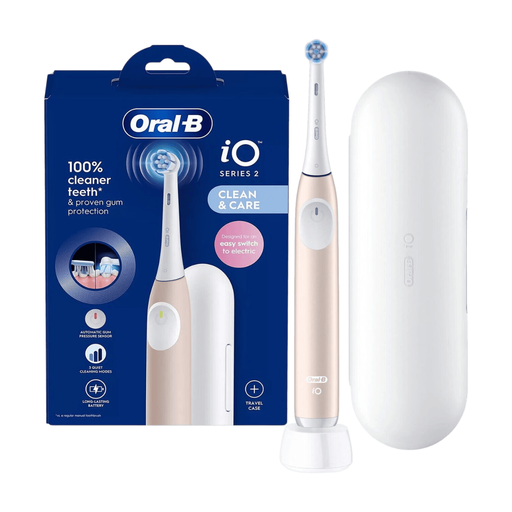
Why It Stands Out The Oral-B iO Series 2 makes advanced magnetic iO technology accessible. It combines rotary motion with micro-vibrations for a thorough yet gentle clean, making it a great choice for those looking to upgrade to a more advanced system.
Benefits
Who Is It For? This model is ideal for beginners to electric brushing and for users with sensitive teeth, thanks to its special gentle mode and smart pressure sensor.
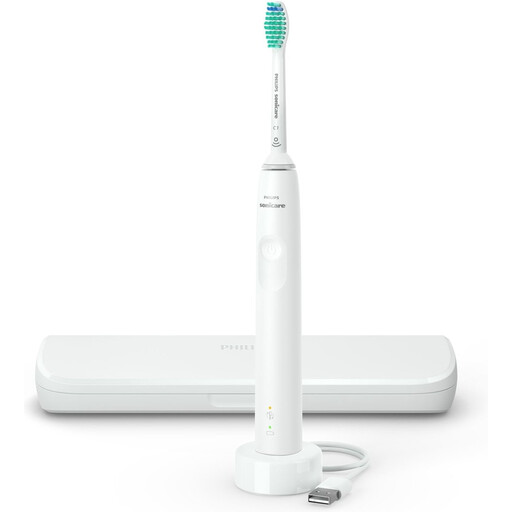
Why It Stands Out The Philips Sonicare 3100 is a reliable all-rounder that delivers the core of sonic toothbrush technology. According to Philips, this model removes up to 3 times more plaque than a manual toothbrush. The focus is on effectiveness and ease of use.
Benefits
Who Is It For? An excellent choice for anyone looking for an effective and straightforward sonic toothbrush. The USB charger and included travel case also make it practical for travellers.
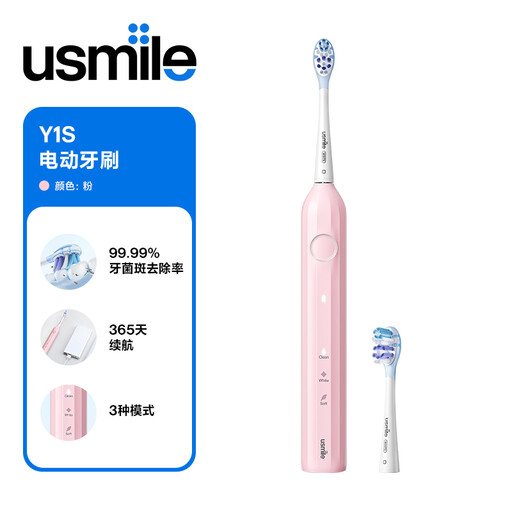
Why It Stands Out The usmile Y1S distinguishes itself with an exceptionally long battery life. According to the manufacturer, the battery lasts up to 180 days on a single USB-C charge. This makes it unique for people who travel for extended periods or simply don't want to charge their device often.
Benefits
Who Is It For? The perfect match for frequent and long-term travellers, or for anyone who values the convenience of an extremely long battery life.
The world of oral care is vast and personal. If the models above don't quite match what you're looking for, many more options are available. Discover a wider range and compare different specifications.
See more options in our adult electronic kits category.
1. What is the difference between a sonic and a rotary toothbrush? A sonic toothbrush has a vibrating, elongated brush head that resembles a manual toothbrush. It makes rapid side-to-side movements. A rotary toothbrush has a small, round head that spins and often pulsates to loosen and sweep away plaque. The choice is personal; both technologies are effective at removing plaque.
2. How often should I replace the brush head on my electric toothbrush? The general recommendation from manufacturers and dentists is to replace the brush head every three months. Replace it sooner if the bristles are visibly frayed or spread out. Some toothbrushes have indicator bristles that fade in colour or send a notification via an app to signal that it's time for a replacement.
3. Is an electric toothbrush better for sensitive gums? Yes, an electric toothbrush can be very suitable for sensitive gums, provided it is used correctly. Many models have a special brushing mode for sensitive teeth and a pressure sensor. This sensor warns you if you press too hard, which is a common cause of gum irritation. This helps you learn a gentle yet effective cleaning technique.
