
Vandaag of morgen in huis

Kwaliteit gegarandeerd

Welkomstaanbiedingen ontgrendelen: GRATIS bezorging | Tot 80% korting | Gratis 30 dagen JoyPlus-proefperiode
Download de app
Making the switch to an electric toothbrush feels like a logical step towards better oral hygiene. But the market is flooded with models vying for your attention with promises of AI, countless brushing modes, and flashy designs. Many of these features are designed to sell, not necessarily to improve your brushing. As a Product Recommendation Officer at Joybuy, I see every day where consumers spend money unnecessarily. Let's cut through the marketing jargon and focus on what really matters.
Before you pull out your wallet, here are the three most common pitfalls:
To avoid a bad buy, focus on the specifications that truly matter. These are the three factors that distinguish a gadget from a functional tool for your oral health.
The two dominant technologies are sonic and rotating. Neither is definitively superior; the choice is a matter of personal preference.
Brushing too hard is a leading cause of receding gums and enamel damage. Therefore, a toothbrush with a pressure sensor isn't a luxury, but a necessity. This feature warns you with a light, vibration, or even an automatic intensity adjustment when you apply too much pressure. It helps you learn better brushing technique and protects your teeth in the long run.
A rechargeable toothbrush is the standard, but the differences in battery life are huge. Models range from one week to as long as six months on a single charge. If you travel often or dislike the clutter of chargers, a long battery life is a key factor. Also, pay attention to the charging method. A universal USB-C port is more practical than a proprietary charging stand, especially for a travel toothbrush.
To help you choose, we've highlighted a few models that suit specific needs and avoid the pitfalls mentioned earlier.
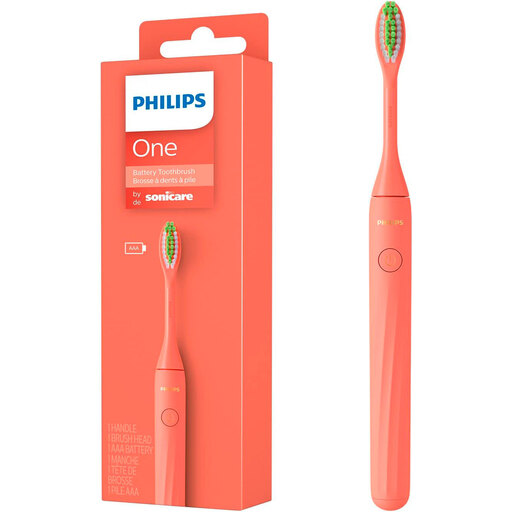
Why This Fits Their Persona: Perfect for those switching from a manual toothbrush without investing in complex features. It's lightweight, compact, and does what it's supposed to do: clean effectively with sonic micro-vibrations.
This model avoids the pitfall of superfluous 'smart' features. The focus is purely on the brushing experience, with a convenient 2-minute timer. No app, no fuss.
Runs on a single AAA battery that lasts up to 90 days. This makes it extremely portable and eliminates the hassle of chargers. Ideal for home and on the go.
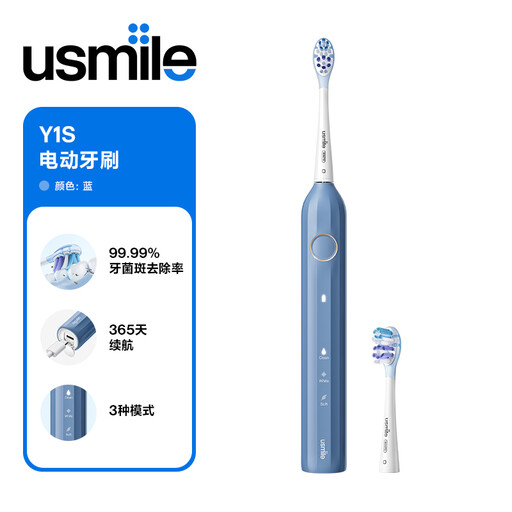
Why This Fits Their Persona: For those who are always on the go and want a hassle-free charging experience. The combination of an extremely long battery life, a USB-C port, and a travel case makes this a highly practical choice.
This model eliminates the frustration of a dead battery. With a battery life of up to 180 days, you won't even need to pack the charger for a long vacation.
The 6-month battery life is its main selling point. It also offers three brushing modes (Clean, White, Soft) and comes with a convenient travel case.

Why This Fits Their Persona: This electric toothbrush for kids turns brushing from a battle into a game. The interactive app teaches children good brushing habits in a fun way.
This is a 'smart' toothbrush where the technology actually solves a problem: children's reluctance to brush. The app motivates them and ensures the toothbrush gets used.
The Bluetooth app provides real-time feedback and rewards. According to Philips, this helps children brush longer and better. Includes stickers and two brush head sizes for different ages.
A timer is one of the most useful features on an electric toothbrush. We've compiled a complete list of models that meet this and other important criteria.
The general recommendation is to replace the brush head every three months. You should also replace it sooner if the bristles are visibly frayed or bent. Worn-out brushes clean less effectively and can damage your gums.
Neither technology is objectively "better." The choice depends on personal preference. Some people find the vibrations of a sonic toothbrush more pleasant and gentler on the gums, while others prefer the powerful, polishing sensation of a rotating brush. If you have sensitive gums, a sonic model can be a great place to start.
Yes, you certainly can. It's even recommended, as an electric toothbrush can clean around brackets and wires more effectively than a manual one. Just be sure to choose a brush head specifically designed for orthodontics and use a gentle brushing mode to avoid damaging the braces.
