
Vandaag of morgen in huis

Kwaliteit gegarandeerd

Welkomstaanbiedingen ontgrendelen: GRATIS bezorging | Tot 80% korting | Gratis 30 dagen JoyPlus-proefperiode
Download de app
A good electric toothbrush is an investment in your oral health. But with so many models, features, and marketing promises, it's easy to feel overwhelmed by the options. Many features sound impressive, but are they worth the extra cost? As a Product Recommendation Officer at Joybuy, I'm here to help you make the right choices based on facts and practical value.
Before you buy an electric toothbrush, it's important to recognise the most common pitfalls. This will help you avoid buyer's remorse.
To make a sound choice, it's better to focus on a few concrete specifications that directly impact effectiveness and ease of use.
This is the most important choice you'll make. The two dominant technologies are sonic and oscillating-rotating.
Brushing too hard is one of the leading causes of receding gums and damaged enamel. A toothbrush with a pressure sensor is therefore not a luxury, but an essential feature. The brush signals—often via a light, vibration, or reduced intensity—when you're applying too much pressure. This helps you immediately learn a better brushing technique and protect your teeth. Almost all modern models from well-known brands are equipped with this feature.
Not everyone has the same needs. Below are some popular choices, tailored to specific user profiles.
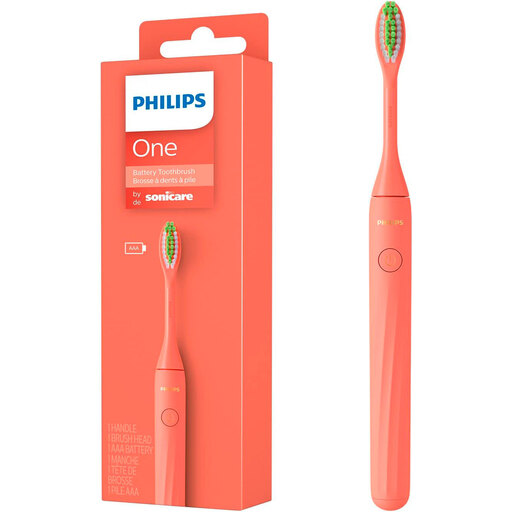
Why This Fits Their Persona: Ideal for those wanting to switch from a manual toothbrush without a large initial investment. Its slim design and AAA battery operation make it perfect for travel or for those who don't want a charger in the bathroom.
This model has no superfluous brushing modes or a complex app. It focuses on one thing: effective cleaning with sonic micro-vibrations and a built-in timer.
According to Philips, the battery lasts up to 90 days. No hassle with chargers, making it extremely practical for on-the-go use.
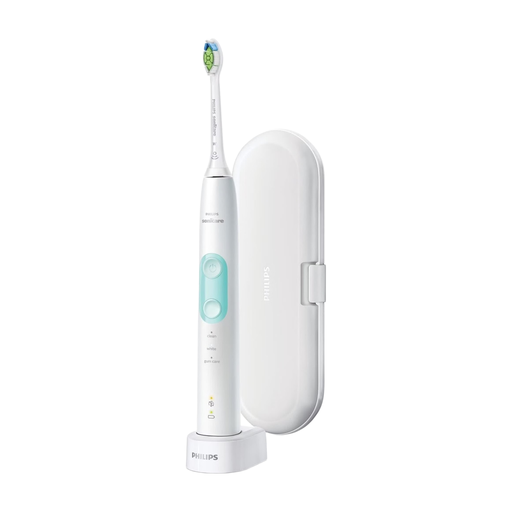
Why This Fits Their Persona: This toothbrush is designed with protection as a priority. The combination of a visible pressure sensor and a special mode for gum care makes it ideal for anyone who suffers from sensitive or bleeding gums.
Instead of an excess of modes, this model offers three targeted options: Clean, White, and Gum Care. The focus is on features that actually contribute to healthier, better-protected teeth.
The built-in pressure sensor warns you immediately if you brush too hard. The Gum Care mode adds an extra minute of brushing time with less power to gently massage the gums.
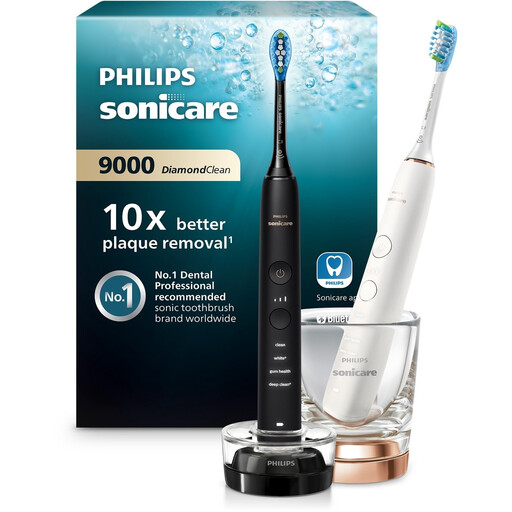
Why This Fits Their Persona: For those who want to get the most out of their oral care and use data to improve their technique. The app connectivity provides personalised progress reports that offer genuine insights.
The 'smart' features here are not a gimmick. The app provides concrete feedback on missed spots and brushing pressure, justifying the premium price for those who take their routine seriously. The 4 modes and 3 intensities are clear and functional.
BrushSync technology automatically pairs the brush head with the correct brushing mode. The Sonicare app provides a personalised progress report to help you maintain your brushing habits.
We have compiled a complete, up-to-date list of products that fully meet these strict selection criteria and Dutch safety regulations.
The general recommendation from dentists and manufacturers is to replace the brush head every three months. Worn bristles clean less effectively and can damage your gums. Many modern toothbrushes, like the Philips Sonicare models with BrushSync, will notify you when it's time for a new brush head.
Yes, you certainly can. An electric toothbrush can even be more effective at cleaning around brackets and wires. However, it's important to use a model with a pressure sensor to avoid brushing too hard. Preferably, choose a gentle brushing mode (like 'Sensitive' or 'Gum Care') and consider special orthodontic brush heads, which are designed to clean better around braces. Models like the Silk'n ToothWave explicitly state they are safe for braces and implants.
Simply put: the movement. A sonic toothbrush (like Philips Sonicare) has an elongated head that vibrates at high speed, similar to the brushing motion you make with a manual toothbrush, but thousands of times faster. A rotating toothbrush (like Oral-B) has a small, round head that rotates and oscillates to 'polish' each tooth individually. The choice is personal: some find the gentle vibration of a sonic brush more pleasant, while others prefer the powerful, polished feeling of a rotating brush.
