
Vandaag of morgen in huis

Kwaliteit gegarandeerd

Welkomstaanbiedingen ontgrendelen: GRATIS bezorging | Tot 80% korting | Gratis 30 dagen JoyPlus-proefperiode
Download de app
Are you about to buy a new toothbrush? The sheer number of options can be overwhelming. The choice is huge, from a simple manual toothbrush to an advanced electric toothbrush with all sorts of smart features. But more features and a higher price tag don't always mean a better result. Many marketing promises lead to unnecessary expenses. Let's look at the most common pitfalls so you can make an informed decision.
Pitfall 1: Paying for "smart" features you'll never use AI coaching, 3D mouth mapping, app synchronisation. It sounds impressive, but in practice, many people stop using these features after the first week. You're paying extra for technology that offers no proven added value to your daily brushing routine.
Pitfall 2: Unrealistic battery claims and hidden costs A battery life of 180 days? This is often based on using the lowest setting, once a day. With normal use, the battery drains much faster. Additionally, the cost of replacement brush heads is a recurring expense. For some brands, these can add up significantly.
To avoid buyer's remorse, it's helpful to focus on the specifications that really matter. These are the factors that directly impact how clean your teeth get and how comfortable the toothbrush is to use.
Most electric toothbrushes use one of these two technologies to remove plaque:
There is no single "better" technique; the choice is personal and depends on what you find comfortable and what your teeth need.
A rechargeable toothbrush is convenient, but pay attention to the practical aspects. A long battery life is ideal for travel. A USB charger is often more practical than a specific charging stand.
However, two features are virtually indispensable for a good brushing session:
To help you with your choice, we have highlighted a few products that suit different needs and budgets. These recommendations are based on their specifications and functionality.
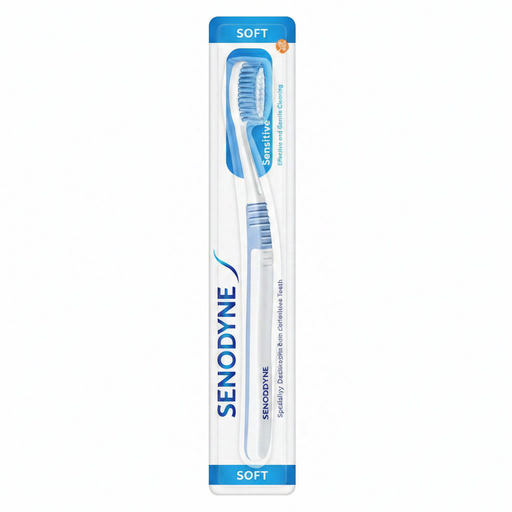
Why This Fits Their Persona: Ideal for those seeking a gentle, effective clean without switching to electric. Perfect if you have sensitive teeth and prefer the control of a manual toothbrush.
This toothbrush focuses on one thing: gentle and thorough cleaning. No expensive technology, no batteries, no hidden costs. Just a reliable brush.
Specially designed with soft, rounded bristles and a flexible neck to reduce pressure on teeth and gums.
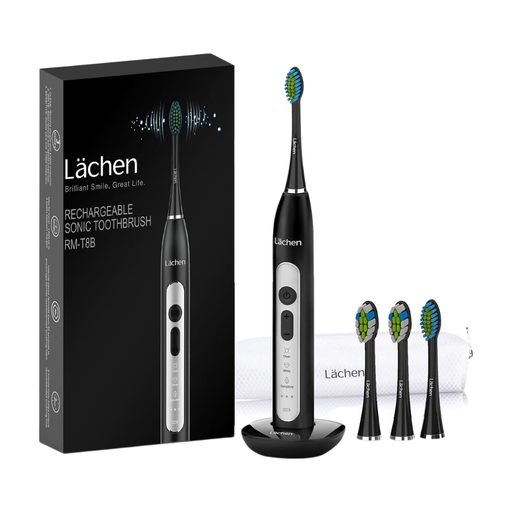
Why This Fits Their Persona: For those looking for a reliable electric toothbrush with the most important features. This sonic brush offers a great balance of performance, battery life, and ease of use at a competitive price.
This model avoids the pitfall of unnecessary "smart" features. It offers practical customisation with 3 modes and 3 intensities, plus a timer, without the complexity and cost of an app.
Up to 60 days of battery life from a 3-hour charge. Comes with 4 brush heads and a travel case, offering excellent value right out of the box.

Why This Fits Their Persona: For those interested in the latest oral care technology. This model targets specific issues like tartar and stains with a different approach than standard sonic or rotating brushes.
Instead of focusing on app connectivity, this model invests in a unique brushing technology. The focus is on the results in your mouth, not on a screen.
Uses patented DentalRF technology. According to the manufacturer, Silk'n, this helps reduce tartar and stains. The device is waterproof and has 3 speed settings.
Good oral hygiene starts with the right brush. Whether you choose electric or manual, the most important thing is to find a model that suits you.
The general guideline from dentists is to replace the brush head of your electric toothbrush (and also your manual toothbrush) every three months. Replace it sooner if the bristles are visibly frayed or bent. Worn brushes clean less effectively and can harbour more bacteria.
Neither is definitively "better." Both techniques are highly effective at removing plaque when used correctly. The choice depends on personal preference. Some people enjoy the powerful, polishing action of a rotating brush, while others prefer the gentler, sweeping motion of a sonic brush.
Absolutely. An electric toothbrush can be very suitable. Choose a model with a pressure sensor to prevent you from brushing too hard. Many models also have a special 'sensitive' mode with a lower intensity. A sonic toothbrush with soft bristles is often a good choice for people with sensitive gums.
