
Vandaag of morgen in huis

Kwaliteit gegarandeerd

Welkomstaanbiedingen ontgrendelen: GRATIS bezorging | Tot 80% korting | Gratis 30 dagen JoyPlus-proefperiode
Download de app
Making the switch to an electric toothbrush feels like a logical step towards better oral care. But the market is flooded with models vying for your attention with endless features, flashy apps, and promises that sometimes seem too good to be true. How can you be sure you're investing in a device that actually cleans better, and not just in clever marketing?
As a Joybuy Product Recommendation Officer, I see the challenges consumers face every day. Before you make a choice, it's wise to be aware of a few common pitfalls:
To cut through the marketing noise, it's best to focus on a few concrete specifications that directly impact your daily brushing experience.
The two dominant technologies are sonic and rotating-oscillating.
A rechargeable toothbrush is the standard, but the details make the difference. A model with a USB-C port is practical, as you can use the same cable as your phone or laptop. For frequent travellers, a travel electric toothbrush with an extremely long battery life or one that runs on replaceable batteries (like AAA) is a lifesaver. This means you don't have to pack a charger.
Two features are virtually indispensable for a good brushing routine:
Based on these objective criteria, we have selected a few models that suit different user profiles.
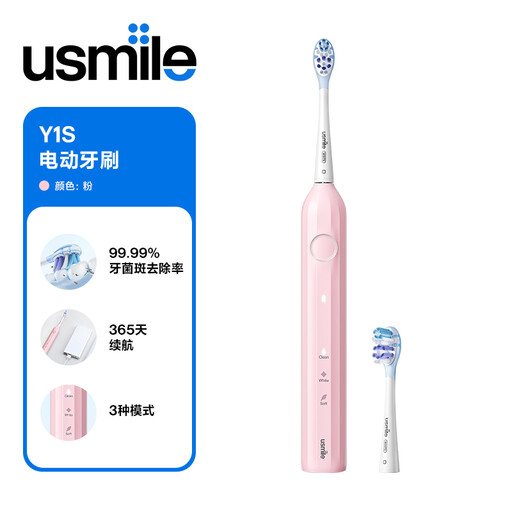
Why This Fits Their Persona: Ideal for those who are always on the go or simply don't want to charge constantly. Its sleek design, travel case, and exceptional battery life make it a worry-free travel companion.
This model tackles the pitfall of unrealistic battery claims. According to the manufacturer, usmile, the battery lasts up to 180 days on a single charge, allowing you to leave the charger at home with peace of mind.
Extremely long battery life: Up to 6 months of brushing. USB-C rechargeable: Modern and practical. 3 brushing modes: Clean, White, and Soft for different needs.
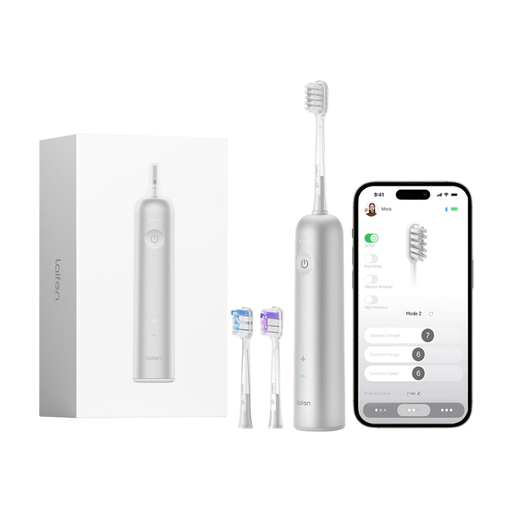
Why This Fits Their Persona: For those interested in the latest in oral care technology. The Laifen Wave offers a unique brushing experience that deviates from standard sonic or rotating brushes.
This model avoids the gimmick trap. The innovation is at the core of the device—the brushing motor—not in a superfluous app. The focus is on a better clean through a new technique.
Dual-action brushing: Combines a 60° oscillating motion with sonic vibrations. Premium materials: The aluminium alloy body feels sturdy and high-end. Seamless design: IPX7 waterproof and easy to clean.
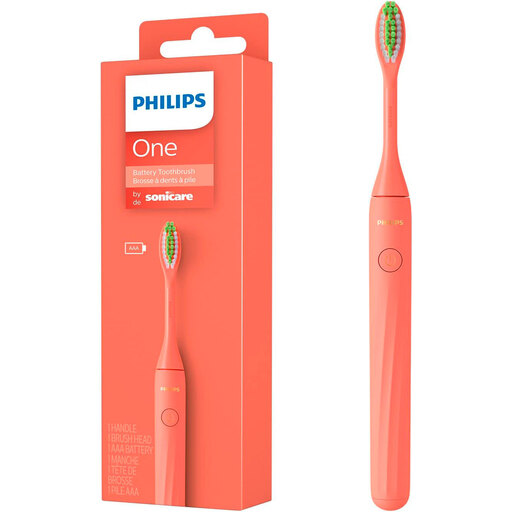
Why This Fits Their Persona: Perfect for anyone who wants to experience the benefits of electric brushing without the fuss. It offers the simplicity of a manual toothbrush with the effectiveness of sonic micro-vibrations.
This model sidesteps the pitfall of complexity and hidden costs. It has one brushing mode and runs on a standard AAA battery, which is available everywhere. No expensive, proprietary chargers or accessories.
Runs on a AAA battery: Up to 90 days of use on a single battery. Compact and lightweight: Easy to take with you. Built-in timer: Helps you brush for the recommended 2 minutes.
We have compiled a complete, up-to-date list of products that meet these strict selection criteria and comply with UK & EU safety regulations.
The general recommendation from dentists and manufacturers is to replace the brush head every three months. It's also time for a new one if the bristles are visibly frayed or bent. Worn bristles clean less effectively and can irritate your gums.
Absolutely. In fact, many electric toothbrushes are suitable for people with sensitive gums. Opt for a model with a special 'Sensitive' or 'Soft' brushing mode. A sonic toothbrush is often perceived as gentler than a rotating model. A built-in pressure sensor is also a key feature to prevent you from brushing too hard.
Neither technology is inherently "better"; it's largely a matter of personal preference. Sonic models often feel gentler and clean via rapid vibrations. Rotating models provide a powerful, polishing sensation. The most important thing is to choose a technology you find comfortable and use it consistently twice a day.
