
Vandaag of morgen in huis

Kwaliteit gegarandeerd
Download de app
Categorieën

Choosing a new electric toothbrush can be overwhelming. With dozens of models boasting a wide range of features and technologies, it's hard to know which device will actually improve your oral hygiene. It's easy to make the wrong choice, leaving you stuck with a toothbrush that falls short of your expectations for battery life, cleaning power, or specific needs like tartar reduction.
This article provides an overview of the key specifications to look for. We'll discuss the different technologies and features, so you can make an informed choice that aligns with your goals for professional-level oral care at home.
Before you buy an electric toothbrush, it's helpful to understand the key features. These parameters determine its effectiveness and user experience.
The two most common technologies are sonic and rotating-oscillating.
A new development is the combination of different movements, such as the Laifen Wave, which both oscillates and vibrates.
Below is a selection of models with different specifications and technologies, based on their product parameters.
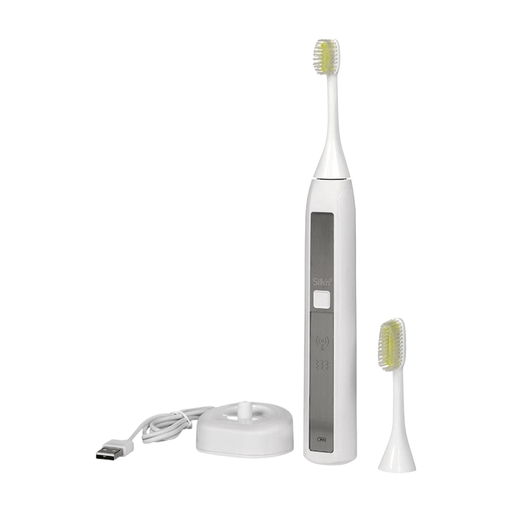
Why We Chose It This model stands out with its patented DentalRF technology. According to the manufacturer, Silk'n, this technology uses radiofrequency waves to tackle impurities at a molecular level. It is one of the few models on the market that claims to be an effective toothbrush for tartar control.
Benefits
Who is this for? For users interested in the latest oral care technologies and specifically looking for a solution that, according to the manufacturer, helps reduce tartar and stains.
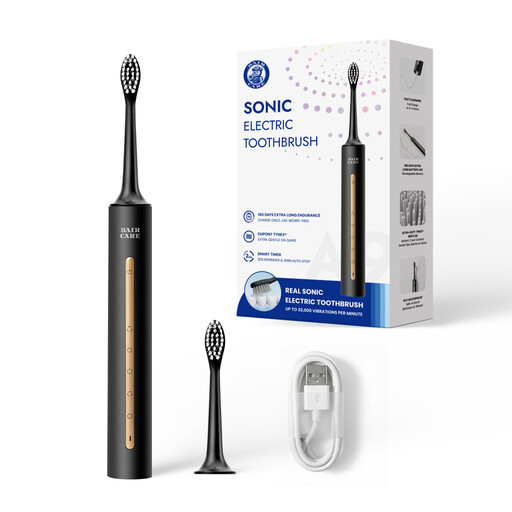
Why We Chose It The BAIR CARE A9 is notable for its exceptionally long battery life. With up to 180 days of use on a single charge, it's a highly practical choice for frequent travellers or anyone who finds frequent charging inconvenient.
Benefits
Who is this for? Ideal for travellers, people with a busy lifestyle, or anyone who values the convenience of an extremely long battery life. The numerous brushing modes also make it a versatile option.
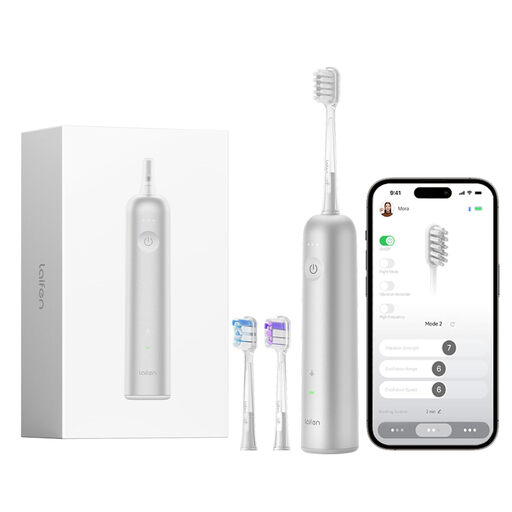
Why We Chose It The Laifen Wave combines two types of movement: a 60° oscillation range and sonic vibration. This dual action is designed to provide a deep clean that reaches both the tooth surface and the spaces between teeth. The aluminium alloy body gives it a premium look and feel.
Benefits
Who is this for? For users seeking a powerful clean through the combination of different brushing techniques and who appreciate a modern design and premium materials.
A good electric toothbrush is the foundation of a healthy mouth. For those who want to take their cleaning to the next level, especially for the spaces between teeth where a brush struggles to reach, a water flosser can be a valuable addition. These devices use a powerful jet of water to wash away plaque and food debris.
For a complete overview of the options, you can browse our category of water flosser devices.
1. What is the difference between a sonic and a rotating toothbrush? A sonic toothbrush vibrates at a very high frequency and has an elongated brush head, similar to a manual toothbrush. A rotating toothbrush has a small, round head that rotates and pulsates at high speed. The choice is a matter of personal preference; some people find the sonic motion more comfortable, while others find the 'tooth-by-tooth' cleaning of a rotating brush more effective.
2. How often should I replace the brush head on my electric toothbrush? Dentists and manufacturers recommend replacing the brush head every 3 to 4 months. The bristles wear down, which reduces brushing effectiveness. Many brush heads have indicator bristles that fade in colour to signal when it's time for a replacement.
3. Does an electric toothbrush really help with tartar? An electric toothbrush is highly effective at removing plaque, the precursor to tartar. By thoroughly removing plaque daily, the formation of new tartar is significantly reduced. Models with specific technologies, like the DentalRF technology in the ToothWave, also claim to reduce existing tartar. However, removing stubborn, calcified tartar typically requires a professional cleaning by a dentist or dental hygienist.
Written by the Joybuy Product Recommendation Team