
Vandaag of morgen in huis

Kwaliteit gegarandeerd

Welkomstaanbiedingen ontgrendelen: GRATIS bezorging | Tot 80% korting | Gratis 30 dagen JoyPlus-proefperiode
Download de app
Buying an electric toothbrush seems like a simple task, until you dive into the specifications. Dozens of brushing modes, AI coaching, and battery life claims make the choice unnecessarily complex. As a Product Recommendation Officer at Joybuy, I filter out the noise and help you choose a model that fits your dental needs and budget, without falling for expensive marketing ploys.
Before you pull out your wallet, it's important to recognise the most common pitfalls that unnecessarily drive up the cost.
Don't get distracted by marketing terms. Focus on the specifications that actually contribute to better oral health. These are the three most important factors.
The technology determines how the brush cleans. There are two dominant systems on the market, each with its own pros and cons.
Brushing too hard is one of the most common causes of gum problems and tooth erosion. An electric toothbrush with a pressure sensor is therefore not a luxury, but a necessity. This feature warns you with a light signal, vibration, or by automatically adjusting the speed when you apply too much pressure. This protects your gums and enamel from irreversible damage and teaches you better brushing technique.
No one wants a toothbrush that runs out of battery mid-week. Pay attention to the actual battery life, often expressed in minutes or the number of 2-minute brushing sessions. Lithium-ion batteries generally offer a longer and more stable lifespan than older NiMH batteries. Also, consider the charging method. A USB charger is convenient for travel, while a magnetic fast charger or a charging glass provides extra convenience at home.
Based on objective specifications, we have selected a number of models that suit different user profiles and avoid the pitfalls mentioned earlier.
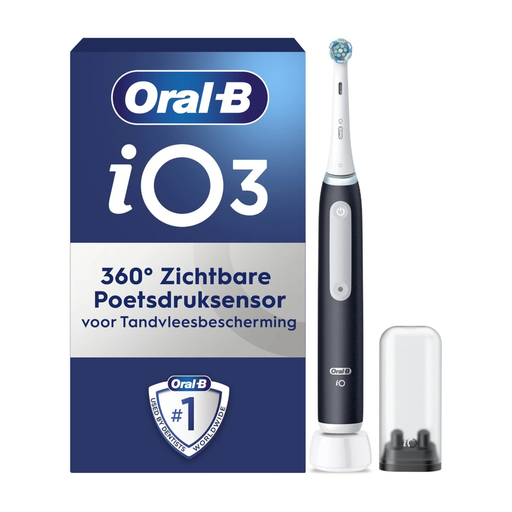
Why This Fits Their Persona: Ideal for those switching from manual brushing who want to experience the benefits of advanced technology without paying a premium. This model offers the core features that truly matter.
This model focuses on the essentials: no superfluous app functions, but it does have 3 useful brushing modes (daily, sensitive, whitening) and the crucial iO technology.
Features the revolutionary Oral-B iO magnetic drive and a smart pressure sensor with a light signal—features you normally only find in more expensive models.
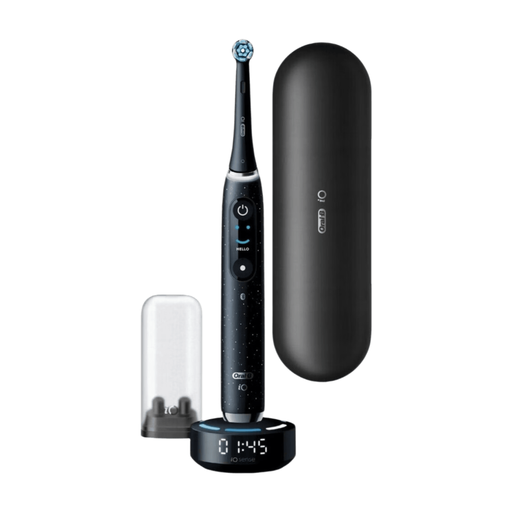
Why This Fits Their Persona: For the user who wants the latest and greatest and is willing to invest in a brushing experience supported by data and AI. This is more than a toothbrush; it's an oral care system.
While other 'smart' brushes can be gimmicky, the iO 10 provides genuinely functional feedback via the iO Sense charging station, so you don't constantly need the app.
Features 7 brushing modes and AI position detection that analyses your brushing style. The interactive colour display on the charging station provides real-time feedback on coverage, brushing time, and pressure.
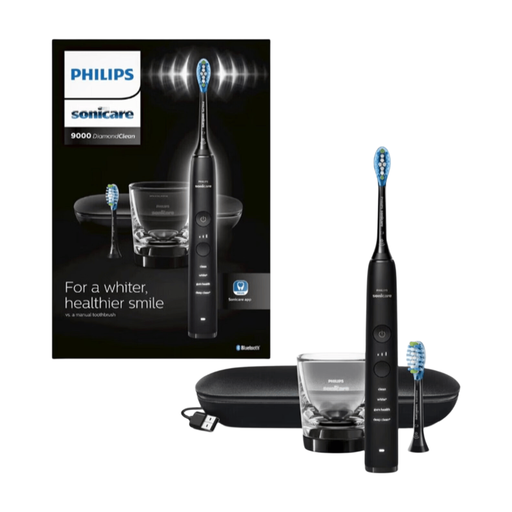
Why This Fits Their Persona: This Philips Sonicare is perfect for those seeking a powerful clean that is still gentle on the gums. The sonic technology is less aggressive, and the special modes offer targeted care.
Instead of an abundance of vague modes, this model offers 4 targeted programs, including a specific 'Gum Care' mode for gum health, which directly addresses the user's need.
The sonic technology with 62,000 brush movements per minute cleans effectively without the harsh mechanical force of some rotating brushes. The built-in pressure sensor provides optimal protection for the gums.
We have compiled a complete, up-to-date list of products that meet these strict selection criteria and relevant safety regulations. Many of the recommended models are available in different colours.
That depends on your personality. For tech enthusiasts who are motivated by data and feedback, an app can help improve brushing habits. For most people, however, it's a feature that is forgotten after the first few weeks. A model with a reliable timer and a good pressure sensor often provides enough guidance for an excellent brushing result.
Most manufacturers, including Philips and Oral-B, recommend replacing the brush head every three months. After this period, the effectiveness of the bristles diminishes. Many modern toothbrushes help remind you with indicator bristles that fade in colour or a notification on the handle or in the app.
There is no single 'better' option; the choice is personal. Sonic toothbrushes (like Philips Sonicare) are often perceived as gentler and are a good choice for sensitive gums. Rotating brushes (like the Oral-B toothbrush) with their round heads are designed to surround each tooth for a very thorough, tooth-by-tooth clean. If you're unsure, consider a model with a 'sensitive' mode to try out the technology.
