
Vandaag of morgen in huis

Kwaliteit gegarandeerd

Welkomstaanbiedingen ontgrendelen: GRATIS bezorging | Tot 80% korting | Gratis 30 dagen JoyPlus-proefperiode
Download de app
Switching from a manual to an electric toothbrush feels like a natural step towards better oral care. But the market is flooded with models promising whiter teeth, healthier gums, and a more radiant smile. Many of these promises are wrapped in marketing jargon that often creates more confusion than clarity. As a Joybuy Product Recommendation Officer, I'm here to help you cut through the noise and focus on what really matters.
Before you make a purchase, it's wise to be aware of a few common pitfalls:
To make an informed decision, it's best to focus on a few concrete, objective specifications. These factors will determine 90% of your brushing experience and results.
The two dominant technologies on the market are sonic and rotating. They feel and operate differently.
The choice is personal. Sonic feels like a high-speed sweeping motion, while rotating feels more like polishing, tooth by tooth.
One of the most useful features, especially for beginners, is an electric toothbrush with a pressure sensor. Brushing too hard is a common mistake that can damage gums and cause tooth erosion. A pressure sensor alerts you with a light, vibration, or by automatically reducing the brushing speed. This isn't a luxury, but an essential feature for protecting your teeth in the long run.
A rechargeable toothbrush is standard, but differences in battery life and charging methods are significant. A model that lasts two weeks is fine for home use. If you travel often, a longer battery life or the ability to charge via USB-C is very practical. This saves you from having to pack the specific, often bulky, charger every time.
Here are a few models that align well with specific needs, based on their objective specifications.
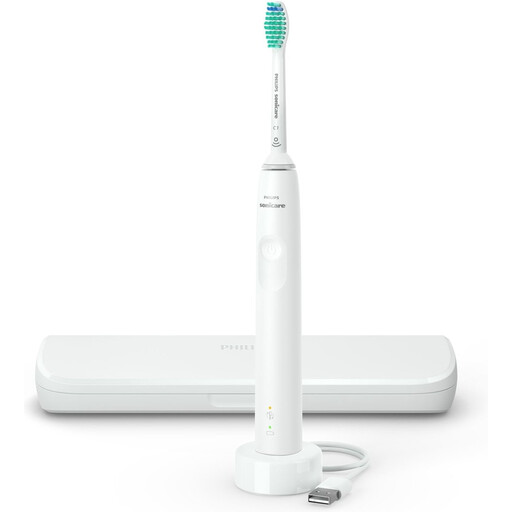
Why This Fits Their Persona: Ideal for those switching from a manual toothbrush. This model offers the core features for an effective clean without the complexity and cost of higher-end variants.
Focuses on effective cleaning with sonic technology and a pressure sensor, not on superfluous app features. The 14-day battery life is reliable for daily use.
The built-in pressure sensor protects gums, which is crucial for beginners. The BrushSync feature reminds you when it's time to replace the brush head.
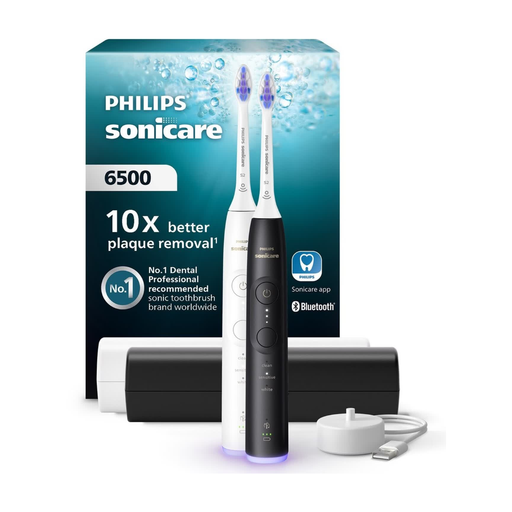
Why This Fits Their Persona: This electric toothbrush duo pack is perfect for couples or families. With two toothbrushes, two travel cases, and multiple modes, everyone can set their own brushing preference.
A duo pack is often more cost-effective than buying two separate toothbrushes. The 3-week battery life is realistic and practical, so you don't have to charge it constantly.
Offers 3 brushing modes (Clean, White, Sensitive) and 3 intensities per toothbrush. The included travel cases make it a complete set for two people.
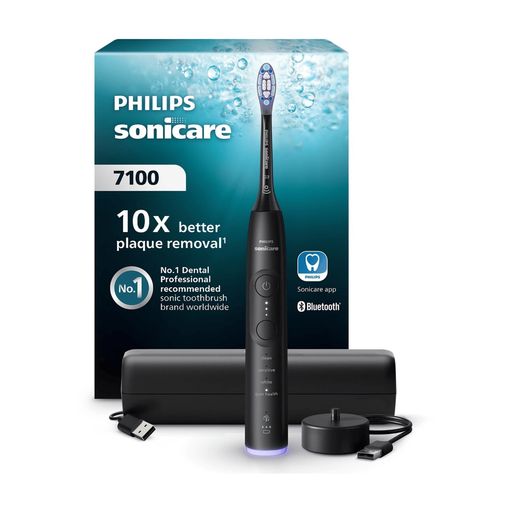
Why This Fits Their Persona: Combines app support with a 3D mouth map for those who want to perfect their technique. The 'Gum Health' and 'Sensitive' modes are specifically aimed at gum issues or the desire for a toothbrush for whiter teeth.
The app here provides genuinely functional guidance (detection of missed spots) rather than being a gimmick. The pressure sensor is advanced and gives clear feedback.
4 brushing modes and 3 intensities for complete personalisation. The toothbrush with app helps you improve your brushing habits based on data.
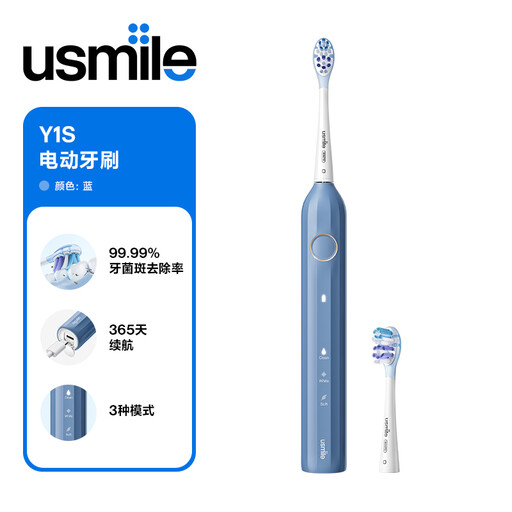
Why This Fits Their Persona: For those who are always on the go and don't want to constantly carry a charger. The extremely long battery life and travel case make this a hassle-free travel companion.
This model directly addresses the unrealistic battery life pitfall. According to the manufacturer, the battery lasts up to 6 months on a single charge, eliminating the need for a charger on trips.
The exceptional 180-day battery life is its key advantage. Additionally, it charges via a standard USB-C cable, which is universal and convenient.
We have compiled a complete, up-to-date list of products that fully meet these strict selection criteria and safety standards.
The general recommendation from dentists and manufacturers is to replace the brush head every three months. Worn-out bristles clean less effectively and can harbour more bacteria. Many modern toothbrushes, like those from Philips Sonicare with BrushSync, will even alert you when it's time for a new brush.
Neither technology is inherently "better"; it's a matter of personal preference and what feels right for your teeth. Sonic brushes are often perceived as gentler and are a good choice for sensitive gums. Rotating brushes provide a feeling of a thorough, polished clean, tooth by tooth. Both types are effective at removing plaque when used correctly.
Yes, absolutely. An electric toothbrush can actually be very suitable. Choose a model with a pressure sensor to prevent you from brushing too hard. Additionally, many models, such as the Philips Sonicare 6500 and 7100 series, have a special 'Sensitive' or 'Gum Care' mode with a lower intensity for a gentle clean.
