
Vandaag of morgen in huis

Kwaliteit gegarandeerd

Welkomstaanbiedingen ontgrendelen: GRATIS bezorging | Tot 80% korting | Gratis 30 dagen JoyPlus-proefperiode
Download de app
Switching to an electric toothbrush feels like a logical next step for better oral hygiene. However, the market is flooded with models promising whiter teeth, healthier gums, and a more radiant smile. But many of these promises come with a hefty price tag and features you'll stop using after a week. Before you invest, it's wise to know what to look for to avoid wasting your money.
We often see consumers fall into a few common pitfalls:
To make a smart choice, it's better to focus on a few core specifications that truly make a difference in your daily brushing experience.
This is the most important choice. There are two dominant technologies, each with a different approach:
The choice is personal. Both technologies clean more effectively than a manual toothbrush when used correctly.
Forget the countless brushing modes and focus on two features that actually protect your teeth:
For those who want to go the extra mile, a water flosser (also known as an oral irrigator) is a valuable addition. This device shoots a powerful stream of water to remove food debris and plaque from between teeth and below the gumline. It doesn't completely replace dental floss, but it's an excellent tool for people with braces, implants, or for whom flossing is difficult.
Based on these practical criteria, we have selected a few models that suit different user profiles.
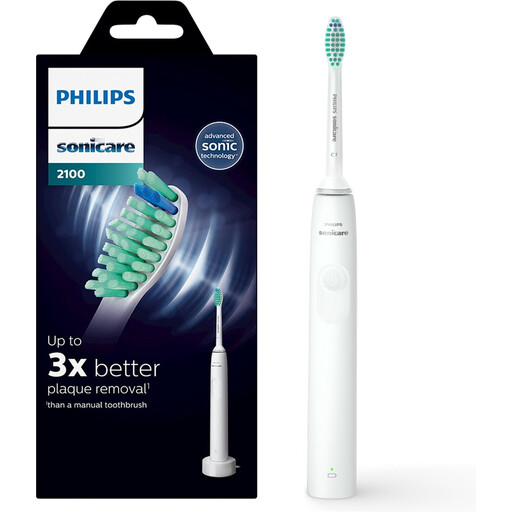
Why This Fits Their Persona: Ideal for those switching from a manual toothbrush. This model offers Philips' trusted sonic technology without unnecessary bells and whistles. It's a reliable and affordable introduction to electric brushing.
This model focuses on the essentials: effective cleaning and a timer. You don't pay for 'smart' features you likely won't use anyway.
Long battery life: According to Philips, the battery lasts up to two weeks. Built-in timer: The 30-second quadrant timer ensures a complete clean.
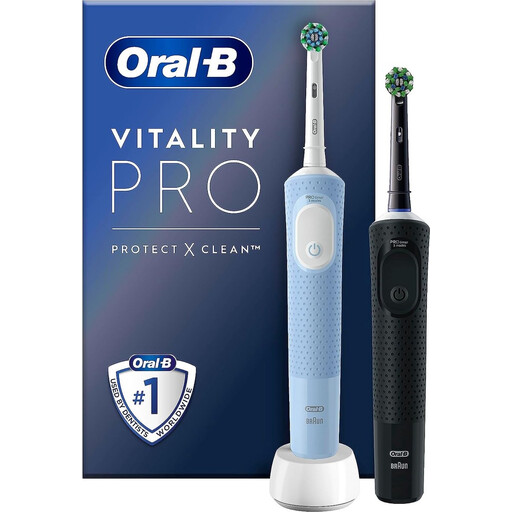
Why This Fits Their Persona: This set is perfect for couples or families looking for a reliable toothbrush with options for sensitivity. The special brushing modes provide a gentle yet thorough cleaning.
Instead of superfluous tech, this model offers functional brushing modes. The 'Sensitive Plus' mode is specifically designed for a gentle experience, which is a genuine added value.
3 brushing modes: Includes 'Daily Clean', 'Sensitive', and 'Sensitive Plus'. Duo pack: Two handles in one package offer great value for money.
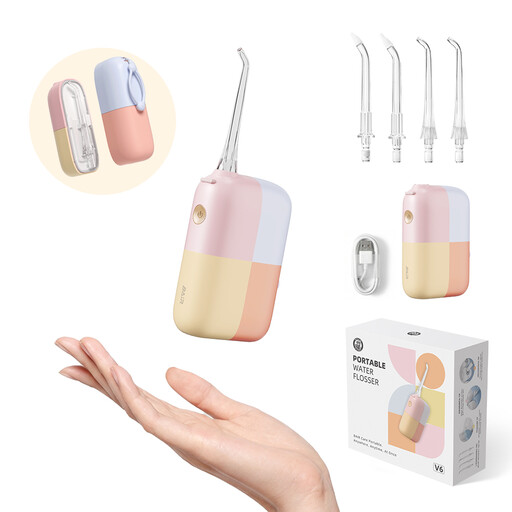
Why This Fits Their Persona: For those who are always on the go, maintaining a complete oral care routine is a challenge. This ultra-compact water flosser collapses to the size of a smartphone and fits effortlessly into any bag.
Many travel products compromise on power or convenience. This model combines a compact design with a powerful battery and a convenient magnetic tank for easy filling and cleaning.
Extremely portable: Weighs only 145 grams and is collapsible. Long battery life: Up to 30 days of use on a single USB-C charge, according to the manufacturer. IPX7 waterproof: Can be safely used in the shower and rinsed clean.
We have compiled a complete, up-to-date list of products that meet these strict selection criteria and all required safety standards.
The general recommendation from manufacturers and dentists is to replace brush heads every three months. Many brush heads, like those from Oral-B and Philips, have indicator bristles that change colour to signal when it's time for a replacement. Worn-out bristles clean less effectively and can damage your gums.
There is no clear-cut answer as to which is "better"; it depends on personal preference. A rotating Oral-B toothbrush gives many people the feeling of a very thorough, polished, tooth-by-tooth clean. A sonic toothbrush from Philips Sonicare is often perceived as gentler and quieter, which can be pleasant for those with sensitive gums. Both technologies are superior to manual brushing.
A water flosser is an excellent supplement to your routine. It is highly effective at removing food debris from hard-to-reach areas and massaging the gums. However, most dental professionals recommend using it in combination with traditional flossing (with string floss or interdental brushes) to completely remove plaque that adheres directly to the tooth surface.
